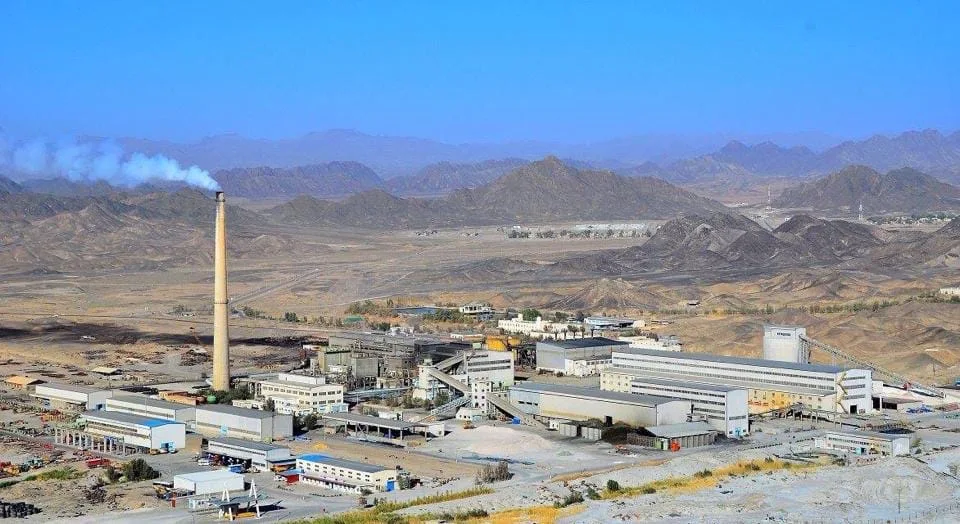
Saindak Metals Limited (SML), the state-owned Pakistani company that jointly operates the country's largest copper-and-gold mine with China, has warned the federal government that the project's operations may have to stop within a month unless the security situation in Balochistan improves, according to a letter reported by the Financial Times.
In the letter, dated June 29 and addressed to Pakistan's Ministry of Energy (Petroleum Division), the managing director of SML wrote that "the prevailing law and order situation in the province has severely affected the transportation of essential project cargo," warning that continued disruption could make uninterrupted operation of the Saindak Copper-Gold Project unsustainable. The letter said there was "a serious likelihood" the project's operations would be forced to cease within a month due to the unavailability of essential production materials and logistical support.
Following publication of the report, Saindak Metals Limited (SML) rejected suggestions that the Saindak Copper-Gold Project was at risk of imminent closure. In a statement, SML Managing Director Razik Sanjrani described the report as "contrary to the facts," saying the project has remained fully operational for the past 25 years and that there is no possibility of it shutting down. He acknowledged that some transporters operating in parts of Balochistan had expressed security-related concerns affecting the movement of furnace oil, but said the company had coordinated with relevant government authorities to ensure uninterrupted fuel supplies. According to Sanjrani, security agencies have assured SML of full cooperation to maintain the continuous transportation of essential materials and keep the project operating without disruption.
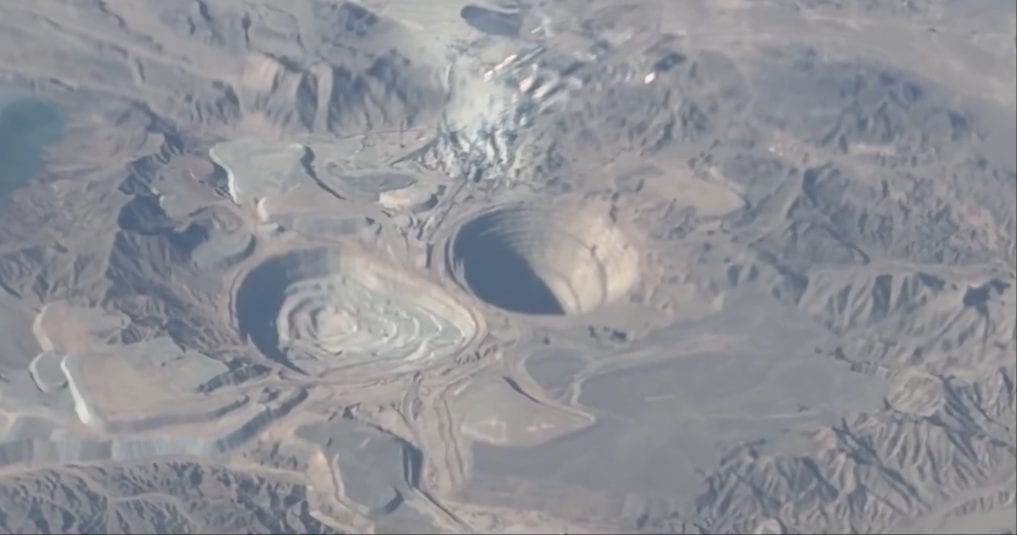
The Saindak project, located in Chagai district, has been jointly run since 2001 by China's state-owned Metallurgical Corporation of China (MCC) and Pakistan's SML. Nearly all of its output is exported to China and accounts for a significant share of Pakistan's roughly $750 million in annual copper product exports, per the Financial Times report cited by multiple outlets.
The warning comes as Balochistan has seen a marked rise in attacks on transport routes and infrastructure in recent weeks. Insurgent groups, including the Baloch Liberation Army (BLA), have increasingly targeted supply and logistics networks linked to Chinese-backed projects, part of a broader pattern of attacks on China-Pakistan Economic Corridor (CPEC) infrastructure, mines, highways and Chinese personnel in the province.
Analysts cited in regional coverage of the letter noted that China has invested close to $68 billion in Pakistan's economy between 2005 and 2024, most of it tied to CPEC, and remains Pakistan's largest source of foreign direct investment. A prolonged halt at Saindak, one of the few consistently producing Chinese-backed mining ventures in the country, would mark a setback for a project that has otherwise continued operating through past cycles of unrest in the province.
This is not the first time Saindak's future has been in question. The project has previously faced closure warnings over licensing and ore-depletion disputes rather than security concerns, and its operating lease, extended multiple times since 2002, currently runs until 2037 following a 15-year extension approved in 2022.
Note: This report has not been able to independently view the original SML letter or the Ministry of Energy's response; its contents are reported here as described in the Financial Times account . No Pakistani government or SML statement responding to the letter was found in available sources at the time of writing.

Comments
Leave a Comment
Your comment will be reviewed before it appears publicly.