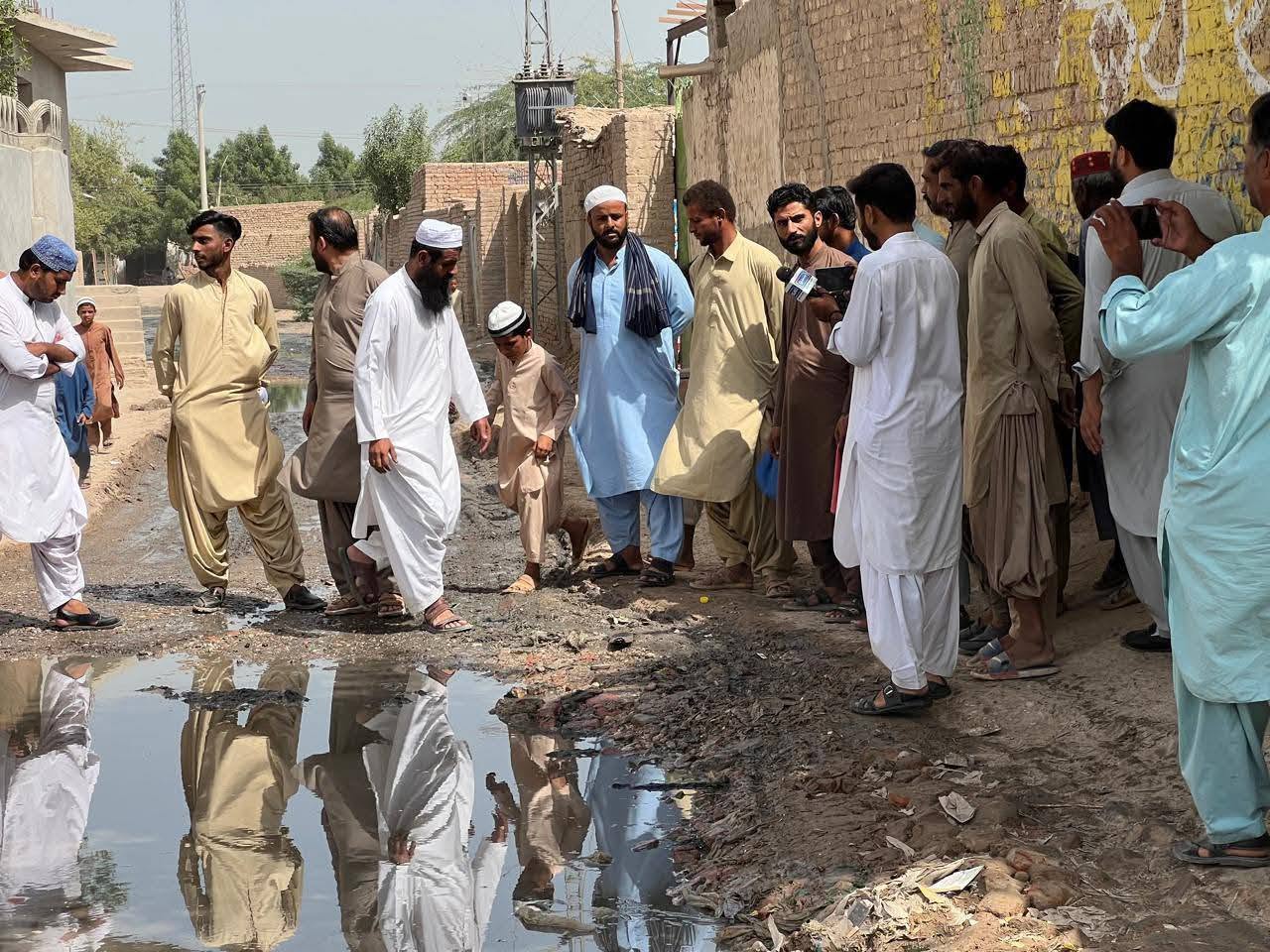
A man and a woman were shot dead in the name of so-called honour in Naseerabad district on Thursday, sources told Balochistan Dispatch.
A woman was allegedly killed in the name of "honour" six days ago in Qaboola Bacha Band, Goth Gul Baig Umrani Subhani. The victim was identified as the daughter of Mumtaz Ali Subhani and the sister of Liaquat Subhani.
On Thursday, a man identified as Fatah Ali Umrani Subhani was shot dead near the shrine of Kalo Shaheed. According to local sources, the killing was allegedly linked to the dispute arising from the woman's murder, commonly referred to locally as a karo-kari ("honour killing") case.
Authorities have not yet issued an official statement regarding either incident, and the circumstances surrounding both killings remain under investigation.
thursday's killing fits a pattern that rights monitors have documented for years. at least 500 honour killings in Balochistan between 2019 and 2026, and Naseerabad district accounted for more of them than any other, with at least 100 reported cases, followed by neighbouring Jaffarabad with 23. these figures reflect only reported cases; many killings are never registered due to fear, stigma, and settlements brokered through tribal jirgas.
The pattern has continued into 2026. In April, at least three honour-related killings were reported in Naseerabad alone, according to human rights monitors: a 23-year-old woman, Mukhiyara Bibi, was allegedly shot dead by her husband near Mangoli Police Station in Dera Murad Jamali; in a separate incident in the Mujho Shori area, a man allegedly killed his sister-in-law and another man before fleeing; and a woman identified as Amina was allegedly killed by her husband elsewhere in the district. Similar cases were reported the same month in Jhal Magsi, Barkhan,Dera Bugti and Kohlu.
A year after Degari, impunity persists
The killing comes almost exactly one year after the Degari case near Quetta, in which a woman, Bano Bibi, and a man, Ehsan Ullah, were shot dead on the orders of a tribal jirga, an incident captured on video that provoked nationwide outrage, terrorism charges against 14 people including a tribal chief, and promises of reform from the provincial government.
Rights advocates argue that the outrage has not translated into protection. Despite the 2016 amendments to Pakistan's anti-honour-killing laws, which were meant to close the loophole allowing families to forgive perpetrators, convictions remain rare in Balochistan. The Aurat Foundation has called for honour killings to be made non-bailable offences, for legal aid and protection for victims' families, and for gender-sensitive training for police, recommendations that remain largely unimplemented.
Researchers who study the Naseerabad belt also point to motives beyond so-called honour: accusations are sometimes fabricated to deny women their inheritance rights or to settle land disputes and personal scores, with the "honour" label used to shield the killing from prosecution.
Under Pakistan's constitution and international human rights law, every citizen has the right to life and to marry by choice. Jirgas and tribal councils have no legal authority over matters of life and death, a point Pakistani courts have repeatedly affirmed. Yet in districts like Naseerabad, such councils continue to operate, and women continue to die.
Note: Figures for honour killings in Balochistan are compiled by non-governmental monitors and reflect reported cases only; the actual numbers are believed to be higher and cannot be independently verified.


Comments
Leave a Comment
Your comment will be reviewed before it appears publicly.