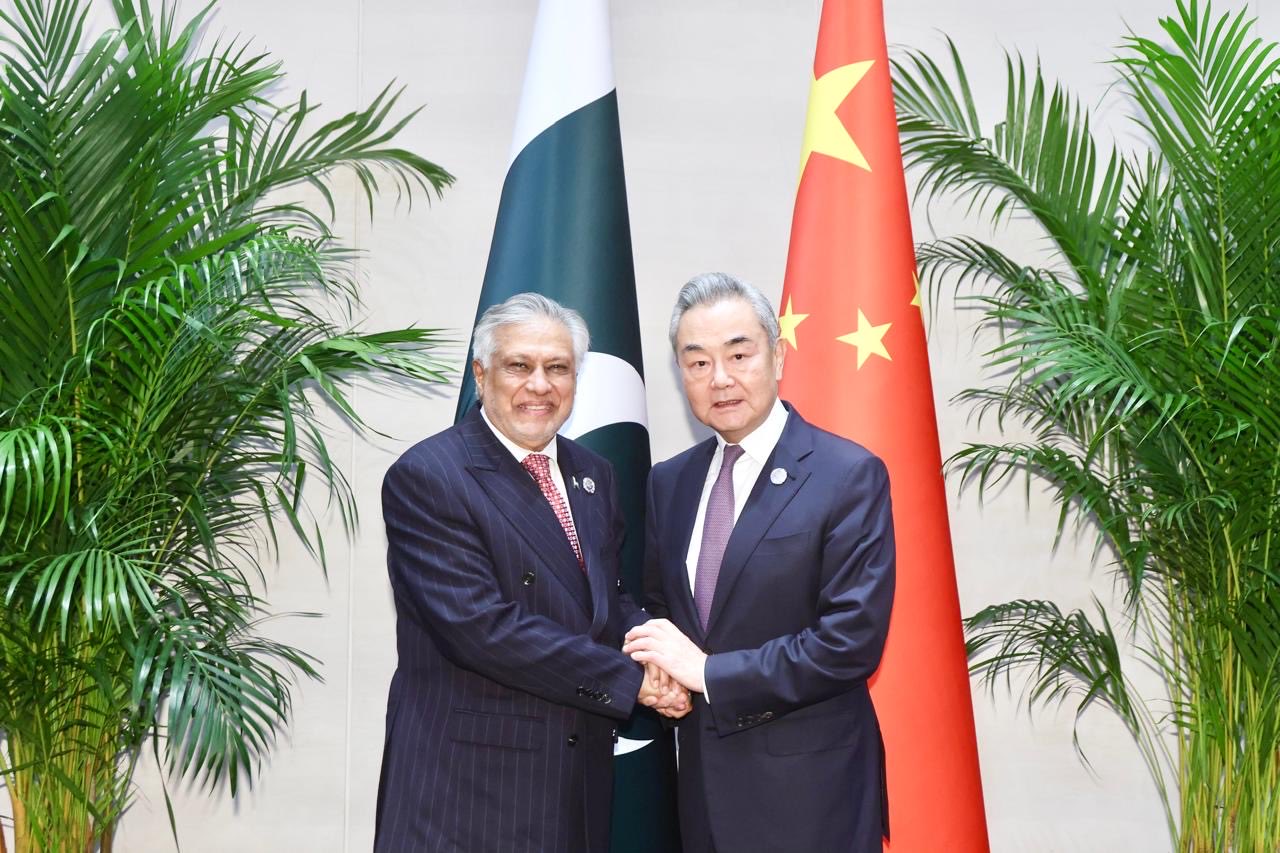
Pakistan formally joined a newly created international body meant to coordinate global rules and cooperation on artificial intelligence, as Deputy Prime Minister and Foreign Minister Senator Mohammad Ishaq Dar put his signature to the founding charter of the World AI Cooperation Organization (WAICO) at a ceremony in Shanghai on Thursday.
Dar arrived in the Chinese port city on July 16 for a two-day visit undertaken at the invitation of Chinese Foreign Minister Wang Yi, kicking off a schedule that runs through the opening of the 2026 World AI Conference (WAIC) on July 17. He was received on arrival by Shanghai Vice Mayor Wu Wei, along with Pakistan's Charge d'Affaires to China, Aizaz Khan, and Consul General Shahzad Ahmad Khan.
By signing on as a founding member rather than joining later, Islamabad secures an early role in shaping how the organization's rules and priorities take form, a distinction Pakistani officials have been keen to emphasize. In remarks around the signing, the government framed the move as part of a broader push to ensure developing nations, and the Global South in particular, aren't left on the sidelines as AI governance frameworks are written largely by wealthier economies. Pakistani officials have pointed to closing the "AI divide", the gap in access to computing power, talent and infrastructure between rich and poor nations, as the central rationale for joining early.
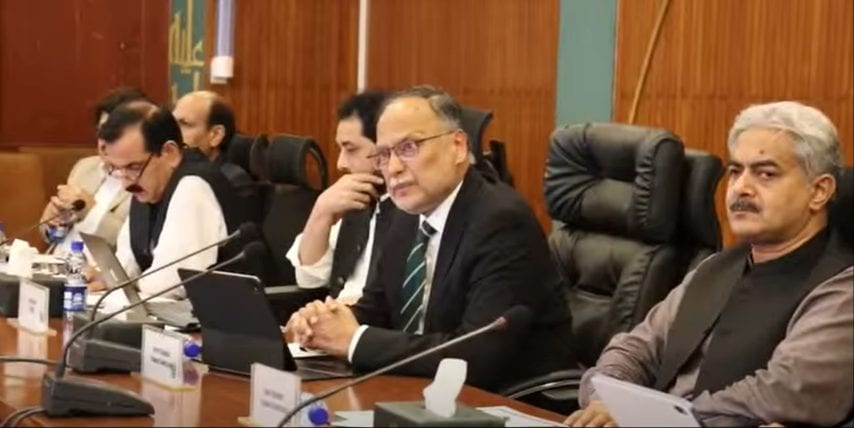
On the sidelines of the WAIC gathering, Dar held a bilateral sit-down with Wang Yi, during which the two reviewed the broader state of Pakistan-China relations and reaffirmed the "All-Weather Strategic Cooperative Partnership" that has underpinned ties between the two countries for decades. Chinese state media reported that Wang told Dar Pakistan's WAICO membership would serve the country's long-term interests.
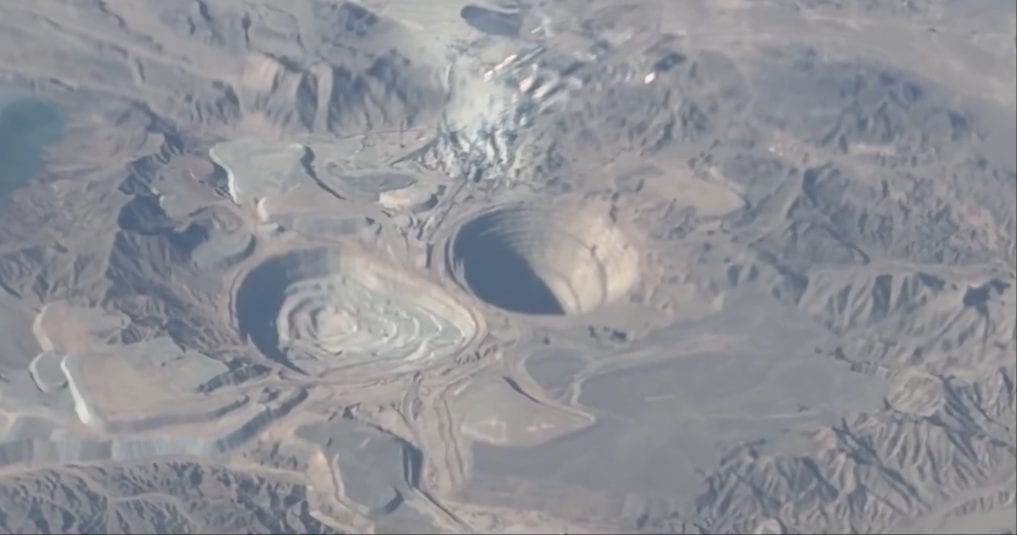
Much of the conversation reportedly centered on the next phase of the China-Pakistan Economic Corridor, commonly referred to as CPEC 2.0, which both sides have described as a shift away from the corridor's original focus on roads, power plants and physical infrastructure toward digital connectivity, information technology and AI-driven development. Dar has said in recent weeks that this next phase will prioritize industrialization, agriculture, mining, IT and workforce training, and that it dovetails with Pakistan's own "5Es" development framework centered on exports, energy, environment, e-Pakistan and equity.
The two ministers also touched on recent regional and global developments, according to the Foreign Office, and pledged continued coordination on matters of shared concern.
Dar's delegation for the trip included Shaza Fatima Khawaja, the federal Minister for Information Technology and Telecommunications; Ali Mustafa Dar, adviser to the Punjab Chief Minister on Artificial Intelligence and Special Initiatives; Bilal Bin Saqib, chairman of the Pakistan Virtual Assets Regulatory Authority; Additional Secretary for Asia Pacific Dr. Syed Asad Ali Gillani; and Charge d'Affaires Aizaz Khan.
Dar is expected to take part in the WAIC opening ceremony and a High-Level Meeting on Global AI Governance on July 17, alongside a series of other bilateral meetings with counterparts attending the summit. China's Foreign Ministry has indicated Wang Yi separately pressed for faster movement on CPEC 2.0's industrial, agricultural and mining components during the exchange.
The visit comes as Beijing positions WAIC as more than a trade-show-style technology showcase, this year's edition will also feature the public unveiling of Huawei's Atlas 950 SuperPoD, a large-scale AI computing cluster built without reliance on the most advanced Nvidia chips, underscoring China's push to demonstrate self-sufficiency in AI hardware even as it courts partners like Pakistan into its preferred governance structures.

Comments
Leave a Comment
Your comment will be reviewed before it appears publicly.