Last updated: 17 July 2026. Written and verified by the Balochistan Dispatch team in Quetta.
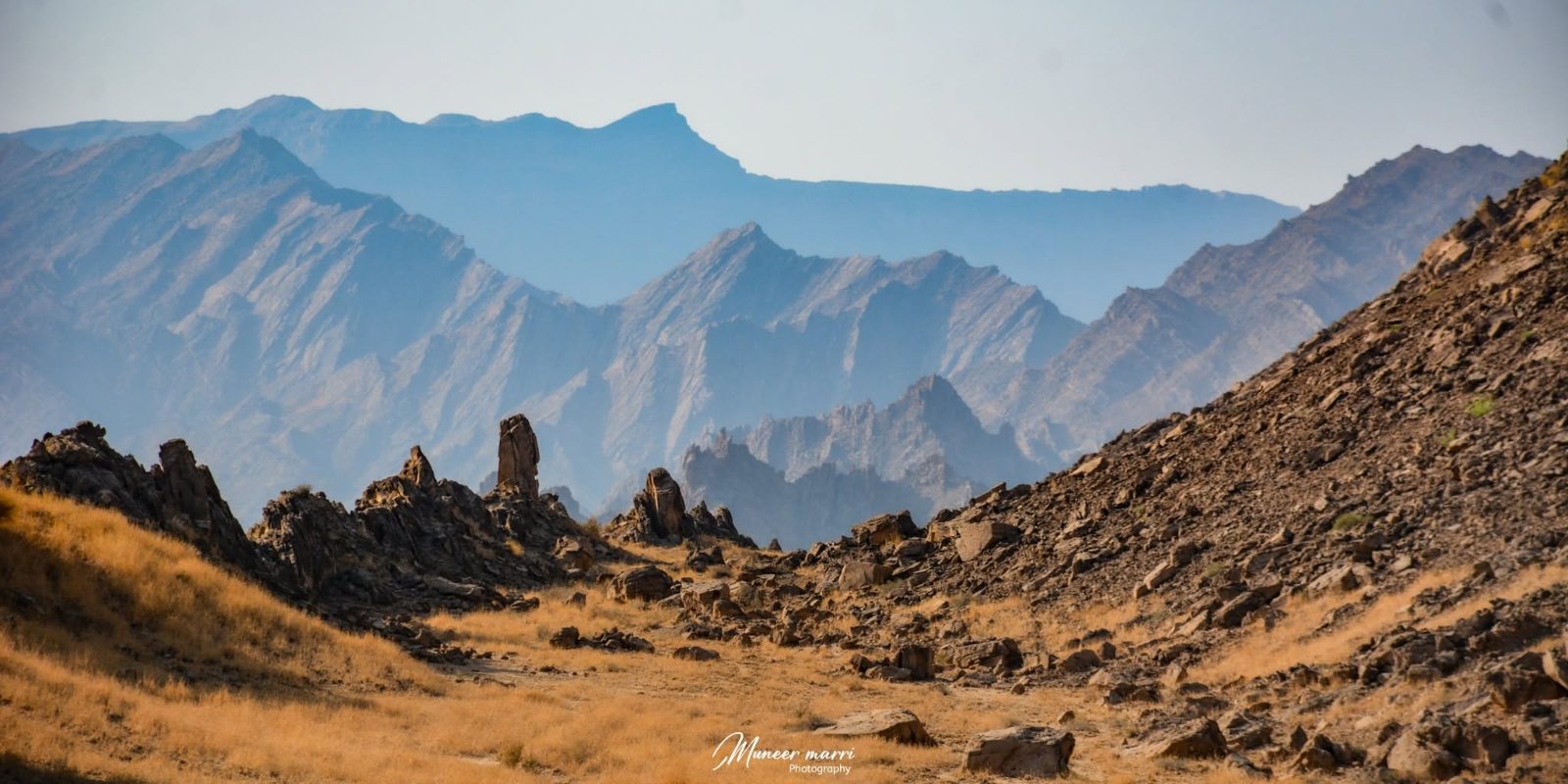
Balochistan is Pakistan's largest province and its least explored, nearly half the country's landmass, a 770-kilometre coastline on the Arabian Sea, mountain ranges that hide waterfalls and canyons, and archaeological sites older than the pyramids of Egypt. Most travel guides to Pakistan barely mention it. This one is written by the people who live here.
Below are 25 places worth the journey, organised by region, with honest notes on how to reach each one and when to go.
Before you travel: the honest basics
- Best season: October to March for the coast and lowlands; April to September for the highlands (Ziarat, Quetta, Kalat), which are among the coolest places in Pakistan in summer.
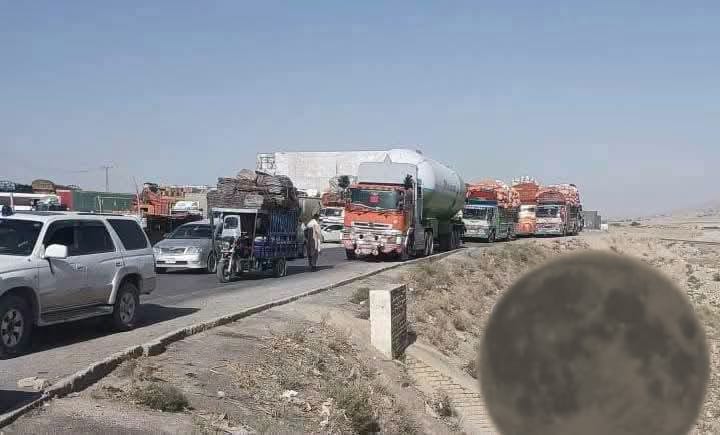
- Getting around: The Makran Coastal Highway (N-10) and the N-25 Quetta highways are paved and good. Many inland spots need a 4x4 and a local guide.
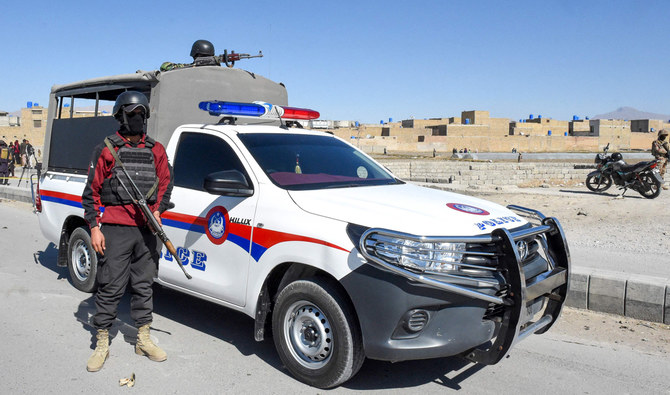
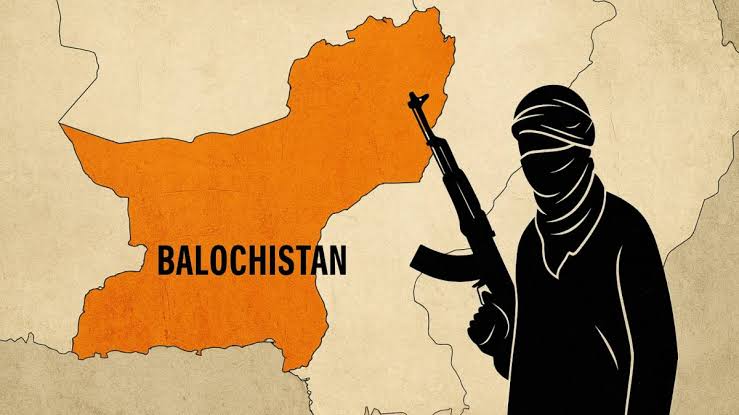
- Security: Conditions vary by district and change over time. Check the current situation for your specific route before travelling; some areas require registration at checkpoints, and foreign nationals may need an NOC. Tense situations have been reported in several districts, including Mastung, Ziarat, and Khuzdar. Before traveling, please visit the Balochistan Dispatch District Bar, select your destination district, and get the latest updates for the same day.
- Respect local custom: Dress modestly, ask before photographing people, and accept tea when offered, Baloch hospitality is real and generous.
The Makran Coast
1. Hingol National Park
Pakistan's largest national park and Balochistan's crown jewel: the Princess of Hope rock formation, the natural Sphinx of Balochistan, active mud volcanoes including Chandragup, and the ancient Hinglaj Mata temple that draws Hindu pilgrims from across the region. Around 3.5-4 hours from Karachi on the Makran Coastal Highway. Go October, March; carry everything, there are no facilities inside the park.
2. Kund Malir Beach
Regularly ranked among Asia's most beautiful beaches: golden desert dunes meeting turquoise sea, framed by dry mountains. On the Coastal Highway inside Hingol's boundary, it is the easiest taste of Balochistan for a Karachi weekend traveller. A few basic huts sell food; there is no
fuel station for long stretches, so fill up at Zero Point.
3. Ormara
A crescent bay between two headlands, named, legend says, after one of Alexander the Great's admirals. Quieter than Kund Malir, with the dramatic hammerhead-shaped peninsula rising behind the fishing town.
4. Astola Island (Jezira Haft Talar)
Pakistan's largest offshore island and its first Marine Protected Area, uninhabited, ringed by coral, home to nesting green turtles. Reached by boat from Pasni (roughly 2-3 hours each way, weather permitting). Camping overnight under a sky with zero light pollution is unforgettable. Arrange boats and permission through local fishermen's associations in Pasni. [VERIFY current permit requirements]
5. Gwadar
Beyond the deep-sea port headlines: the Hammerhead promontory, Padi Zir beach, the old town's Omani-era fort remains, and fish straight from the boats. The drive in on the Coastal Highway, between cliffs and sea, is itself worth the trip.
6. Buzi Pass
The most photographed stretch of the Coastal Highway, the road cutting through golden badlands with the sea flashing between cliffs. Stop at the viewpoints; drone footage from here made the highway famous.
Quetta and the Highlands
7. Hanna Lake
Twenty minutes from Quetta: a turquoise reservoir cupped in bare golden mountains, with boating and lakeside walkways. Best light is early morning and late afternoon. Combine with Urak Valley in one day.
8. Urak Valley
The orchard valley above Hanna Lake, apples, cherries, and apricots against dry mountains, with a small waterfall at the road's end. In blossom season (March, April) it is the closest thing Quetta has to Hunza's famous spring views.
9. Hazarganji-Chiltan National Park
Home of the endangered Chiltan markhor (wild goat) and the mountain of the "forty souls" legend. Twenty kilometres from Quetta; the park has marked tracks and a small museum. Ask about guided walks, sightings of markhor at dawn are common on the upper slopes.
10. Quetta city
The provincial capital deserves a day itself: Liaquat Bazaar and Kandahari Bazaar for dry fruit and Balochi embroidery, Lehri Sajji for the province's signature dish, and the Command and Staff College museum for the city's colonial history. Use it as your base for Hanna, Urak, Chiltan and Ziarat.
11. Ziarat and the juniper forest
The world's second-largest juniper forest, trees here are thousands of years old, gnarled like living sculpture. Ziarat town holds the Quaid-e-Azam Residency, where Pakistan's founder spent his final days. Walk to Prospect Point for the valley panorama and Sandeman Tangi waterfall. At 2,500 metres, it is a genuine escape from summer heat; in winter it snows.
12. Pir Ghaib waterfall, Bolan
Springs bursting out of bare rock into palm-fringed turquoise pools, an hour's scramble from the Bolan road. The contrast, date palms and waterfalls in a moonscape gorge, is pure Balochistan. Combine with the Bibi Nani shrine and the historic Bolan Pass drive.
13. Bolan Pass
The historic southern gateway of the subcontinent, armies, traders and nomad caravans have used this gorge for millennia. The railway through it, built in the 1880s, is an engineering monument of tunnels and bridges. Photograph it from the N-65 viewpoints.
History older than history
14. Mehrgarh
On the Kachi plain near the Bolan River lie the remains of one of the oldest farming settlements ever found, people lived, farmed and practised dentistry here around 9,000 years ago, millennia before the pyramids or Mohenjo-daro. The site itself is unexcavated mounds today, but standing on it is standing at the beginning of South Asian civilisation. Combine with Sibi town and its Victorian-era Jirga Hall museum. [VERIFY current site access]
15. Miri Fort, Turbat (Kech)
The mud fortress of Punnu, the prince of the Sassi-Punnu romance sung across Balochistan, Sindh and Punjab for centuries. The Kech valley around it is Pakistan's date-palm heartland; visit in harvest season (July, August) when the palms are heavy with fruit.
16. Quaid-e-Azam Residency, Ziarat
The colonial-era wooden residency where Muhammad Ali Jinnah spent the last months of his life in 1948, rebuilt after the 2013 attack and a national monument. Covered under Ziarat above, but worth its own stop.
The hidden interior
17. Moola Chotok, Khuzdar
Balochistan's worst-kept secret: a slot canyon of waterfalls and green pools hidden in the Moola valley. The last stretch is rough track, 4x4 and local guide essential, but the reward is swimming in spring-fed pools between sheer rock walls. Go with an organised group from Karachi or Khuzdar.
18. Shah Noorani, Lasbela
The shrine of Shah Bilawal Noorani in the Lahut valley draws pilgrims year-round, set in a gorge of springs and caves. The nearby "Lahut Lamakan" cave carries centuries of Sufi tradition.
19. Kharan Desert
A true sand desert with fortress ruins and star-filled nights, for serious expedition travellers. The Kharan fort and the desert's edge villages see almost no visitors, which is exactly the appeal.
20. Kalat
Seat of the historic Khanate that once ruled most of Balochistan. The town sits at 2,000 metres below the Harboi hills; the Shrine of Sultan Shah Hussain and the old citadel area carry the weight of the province's political history.
The far north
21. Khojak Pass and tunnel, Chaman
The 3.9-kilometre Khojak railway tunnel (1891), once printed on Pakistan's five-rupee note, burrows under a pass with sweeping views toward the Afghan border. The zigzag rail descent is a marvel of Victorian engineering.
22. Toba Kakar highlands & Zhob
Rolling highland plateaus, Powindah caravan history, and Zhob's Fort Sandeman era architecture. Remote, rewarding, and utterly unphotographed, take a local host.
Living culture
23. Sibi Mela (February)
Pakistan's oldest festival, a centuries-old livestock fair with horse and camel shows, folk music, and crafts, held every February in Sibi. If you can only attend one Balochistan event, this is it.
24. Chiltan foothill villages & Mastung orchards
Apple and almond blossom in spring, grape harvests in autumn, Mastung's orchards, an hour from Quetta, offer the province's gentlest day out.
25. The Makran Coastal Highway itself
Finally: the road is the destination. The 650-kilometre run from Karachi to Gwadar, Hingol, Buzi Pass, Kund Malir, Ormara, Pasni, is one of Asia's great coastal drives. Give it three days, not one.
Frequently asked questions
Is Balochistan open to tourists?
Yes, thousands visit Kund Malir, Hingol, Ziarat and Quetta every year, and coastal-highway tourism from Karachi grows each season. Conditions vary by district; check current guidance for your specific route before you go.
What is the best time to visit Balochistan?
October to March for the coast; April to September for Ziarat, Quetta and the highlands.
Do foreigners need an NOC?
Foreign nationals have generally required a No Objection Certificate for travel in much of Balochistan; requirements change, so confirm with current official guidance before planning.
What food should I try?
Sajji (whole roasted lamb), Kaak (rock-baked bread), Landhi (dried meat, winter), Khaddi Kabab, and dates from Kech and Panjgur.
This guide is updated continuously as we publish detailed guides and photo essays on each destination, every place named above will link to its full story. Have we missed a place that deserves the world's attention? Tell us via our contact page. See also our Photo Essays from across Balochistan.

Comments
Leave a Comment
Your comment will be reviewed before it appears publicly.