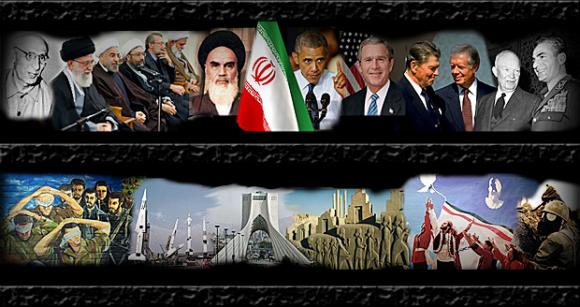
For more than seven decades, relations between the United States and Iran have been shaped by political intervention, regional conflicts, economic sanctions, and disputes over nuclear technology. What began as a close strategic partnership during the rule of Shah Mohammad Reza Pahlavi transformed into one of the most enduring rivalries in modern international politics.
Recent US military strikes on Iranian nuclear facilities have once again pushed tensions to dangerous levels, drawing global attention to a relationship marked by mistrust and confrontation.
The 1953 Coup
The roots of modern tensions can be traced to 1953 when Iran's democratically elected Prime Minister Mohammad Mosaddegh sought to nationalize the country's oil industry, then dominated by British interests.
The United States and the United Kingdom supported a covert operation that removed Mosaddegh from power and restored Shah Mohammad Reza Pahlavi. While Washington viewed the move as a strategic Cold War decision, many Iranians saw it as foreign interference in their democratic process.
Nuclear Cooperation Before the Revolution
Ironically, Iran's nuclear program began with Western support. In 1957, Iran joined the US-backed "Atoms for Peace" initiative, aimed at promoting civilian nuclear technology.
During the 1960s and 1970s, Washington supplied Tehran with nuclear technology and research assistance, laying the foundations for the nuclear program that would later become a major source of international tension.
The 1979 Islamic Revolution
The turning point came in 1979 when mass protests overthrew the Shah's government. Ayatollah Ruhollah Khomeini returned from exile and established the Islamic Republic of Iran.
Later that year, Iranian students seized the US Embassy in Tehran and held 52 American diplomats hostage for 444 days. The crisis led Washington to sever diplomatic relations with Iran, relations that have never been fully restored.
The Iran-Iraq War
In 1980, Iraq under Saddam Hussein invaded Iran, beginning an eight-year conflict that claimed hundreds of thousands of lives.
Although officially neutral, the United States largely supported Iraq during the war. The conflict deepened Iranian suspicions of Washington and became a defining event in Iran's political memory.
Terrorism and Regional Rivalries
In 1984, the United States designated Iran as a State Sponsor of Terrorism, accusing Tehran of supporting armed groups across the Middle East, particularly Hezbollah in Lebanon.
Iran rejected these accusations, arguing that it was supporting resistance movements against foreign occupation and aggression.
The designation remains one of the central obstacles in relations between the two countries.
The Downing of Iran Air Flight 655
One of the most tragic incidents occurred in 1988 when the USS Vincennes shot down Iran Air Flight 655 over the Persian Gulf.
All 290 passengers and crew members were killed. The United States stated that the aircraft was mistakenly identified as a military threat. The incident remains a powerful symbol of grievance within Iran.
Sanctions and Nuclear Disputes
Throughout the 1990s and early 2000s, Washington imposed increasingly strict economic sanctions on Tehran, citing concerns over Iran's nuclear activities and regional influence.
Following the September 11 attacks, US President George W. Bush included Iran in what he called the "Axis of Evil," alongside Iraq and North Korea.
Despite periods of indirect cooperation in Afghanistan, relations continued to deteriorate.
The Nuclear Deal
A breakthrough came in 2015 with the Joint Comprehensive Plan of Action (JCPOA), commonly known as the Iran nuclear deal.
Under the agreement, Iran accepted limits on its nuclear activities in exchange for sanctions relief. The deal was supported by the United States, Britain, France, Germany, Russia, China, and the European Union.
Supporters viewed the agreement as a major diplomatic achievement, while critics argued it failed to address Iran's missile program and regional policies.
Trump's Withdrawal
In 2018, President Donald Trump withdrew the United States from the JCPOA and reimposed sanctions on Iran.
The decision significantly increased tensions. Iran gradually reduced its compliance with the agreement and expanded uranium enrichment activities beyond previously agreed limits.
The Killing of Qassem Soleimani
In January 2020, the United States killed Major General Qassem Soleimani, commander of Iran's Quds Force, in a drone strike near Baghdad International Airport.
The assassination brought the two countries to the brink of direct military confrontation. Iran responded with missile strikes against bases hosting US troops in Iraq.
Renewed Tensions in 2025
In 2025, efforts to revive negotiations over Iran's nuclear program once again became a central issue in US-Iran relations.
Diplomatic contacts reportedly took place through regional mediators, but disagreements over sanctions, uranium enrichment, and regional security remained unresolved.
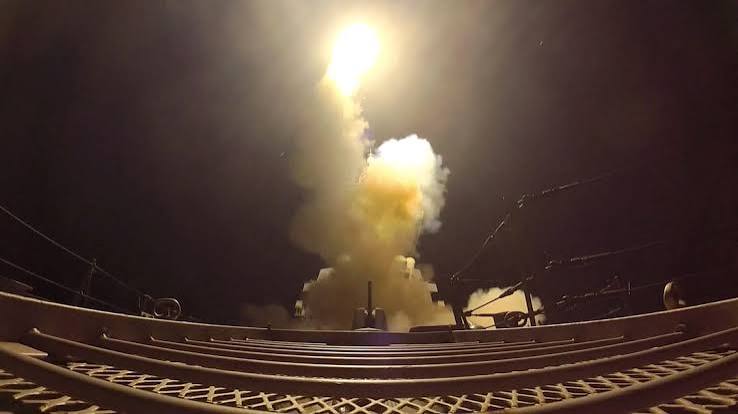
The situation escalated dramatically after Israeli strikes on Iranian targets were followed by direct US military attacks on key Iranian nuclear facilities. Washington described the strikes as necessary for regional security, while Tehran condemned them as violations of international law and pledged a response.
A Rivalry That Continues
More than seventy years after the 1953 coup, US-Iran relations remain defined by mistrust, competing regional interests, and unresolved historical grievances.
Whether future diplomacy succeeds or tensions continue to rise will have significant consequences not only for the Middle East but also for global energy markets, international security, and nuclear non-proliferation efforts.
Comments
Leave a Comment
Your comment will be reviewed before it appears publicly.