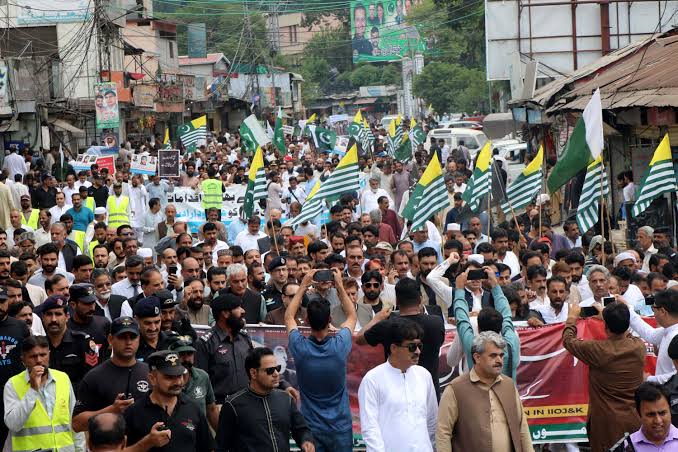
The recent unrest in Pakistan-administered Kashmir has emerged from a series of political and public grievances that have accumulated over time. According to organizers of the protests, the current movement is rooted in commitments that were made following widespread demonstrations last year.
Following those protests, representatives of the Government of Pakistan, the Government of Azad Jammu and Kashmir (AJK), and the Joint Awami Action Committee (JAAC), a coalition representing various social, political, and civil groups, reportedly reached an agreement on a 38-point agenda. The agenda was described by participants as addressing issues affecting everyday life, including affordable electricity and essential commodities, improved healthcare and education, merit-based recruitment, measures to reduce corruption, greater transparency in governance, reforms to VIP privileges, protection of public resources, and improved public services. Protest organizers maintain that these commitments were accepted by the authorities and were expected to be implemented within a reasonable timeframe.
According to JAAC and its supporters, much of the agreed agenda has not been implemented, leading to growing public dissatisfaction. As a result, fresh strikes, shutter-downs, and demonstrations were announced, with participants stating that their objective was to seek implementation of previously agreed commitments rather than introduce new demands.
One of the issues frequently highlighted by protesters concerns the reserved seats for migrants ("Muhajireen") in the AJK Legislative Assembly. Critics argue that these seats, although elected from outside the territory, can significantly influence the formation and survival of governments within AJK. They contend that this arrangement contributes to political instability and external influence over the region's democratic process. Observers have noted that AJK has experienced several changes in government within a relatively short period (4 Prime Ministers in the last 5 years), which has further fueled debate about governance and political accountability.
In response to the renewed demonstrations, the authorities imposed restrictions that included the suspension of internet services across many parts of the region. The prolonged disruption affected banking services, businesses, educational institutions, government offices, digital communications, and other sectors that rely heavily on internet connectivity. Disruption to daily life, commerce, and access to essential services has been observed for around a month now.
The government also deployed a substantial number of security personnel to maintain public order during the protests. Officials have stated that these measures were intended to preserve law and order and prevent violence. Protest organizers and many participants, however, argue that the heavy security response created an atmosphere of fear and discouraged peaceful civic participation.
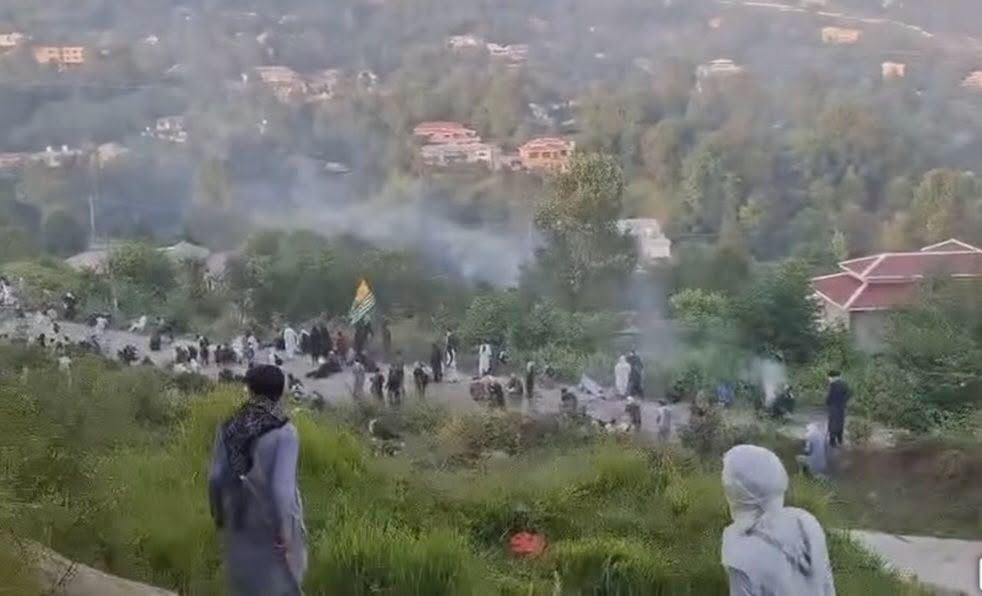
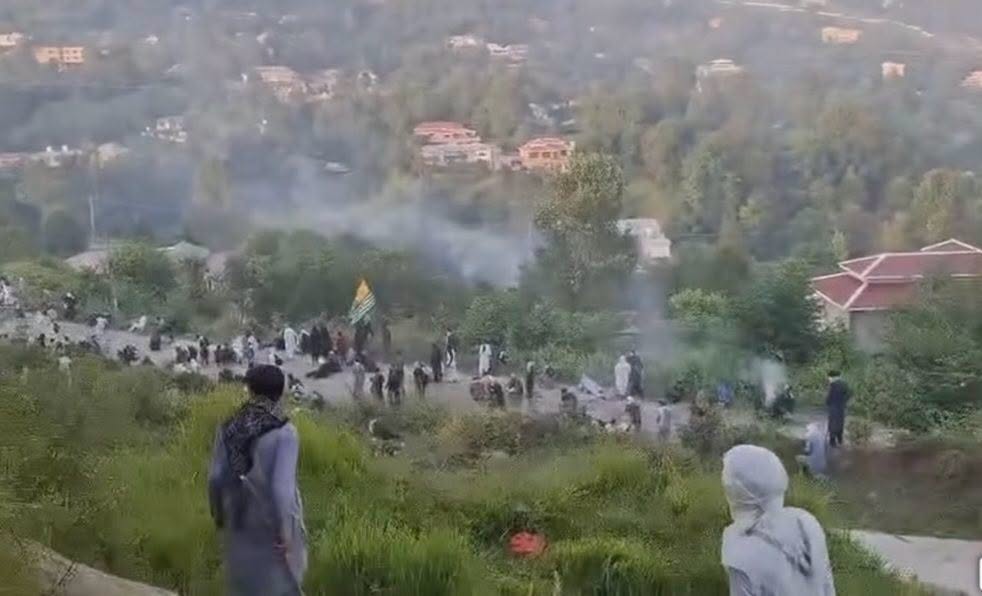
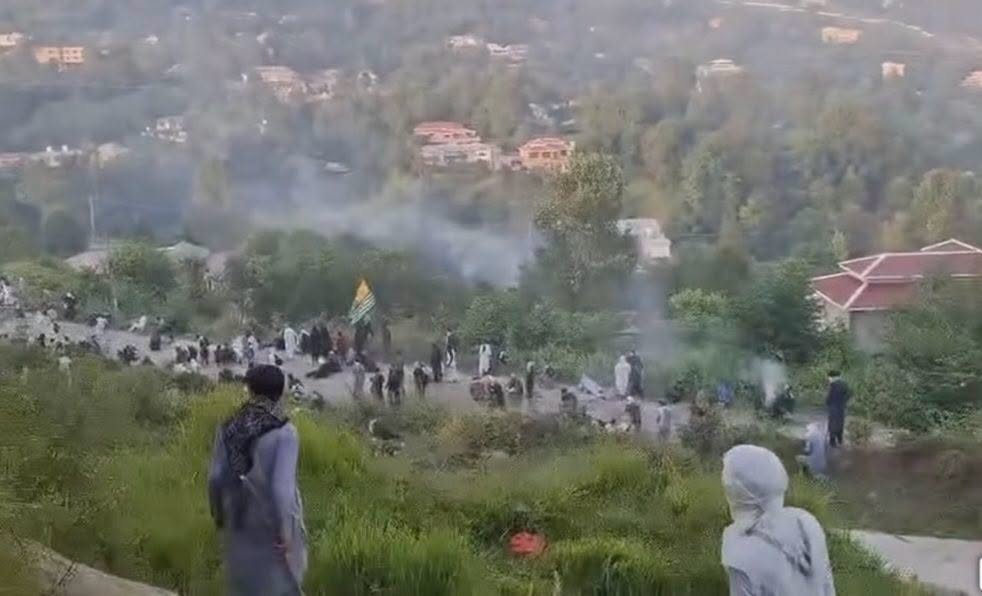
During the demonstrations, there were clashes between protesters and security personnel, resulting in casualties and injuries to the civilians. Human rights organizations generally emphasize that, regardless of the circumstances, all parties should exercise restraint, avoid excessive force, and ensure the protection of civilians. Allegations concerning the conduct of security forces and protesters require impartial investigation and accountability where wrongdoing is established.
Another significant development was the government's decision to declare the Joint Awami Action Committee a banned organization. Supporters of the committee argue that JAAC is a public movement advocating socioeconomic reforms and implementation of previously agreed commitments. They contend that the designation undermines civic participation and raises concerns regarding freedom of association and peaceful assembly.
The ongoing situation illustrates broader challenges relating to governance, public trust, and the relationship between citizens and state institutions. Analysts generally note that prolonged delays in implementing negotiated commitments can contribute to public frustration, while extended communication restrictions and confrontational responses may deepen mistrust between governments and communities.
A sustainable resolution is likely to depend on meaningful dialogue, transparency regarding previous commitments, respect for constitutional and legal rights, independent investigation of reported incidents, and efforts by all stakeholders to resolve differences through peaceful and democratic means. Lasting stability is generally achieved not only through maintaining public order but also through addressing the underlying concerns that give rise to public protest.
Opinion
Opinion
Pakistan-administered Kashmir Unrest: Protests, JAAC Ban, Internet Shutdown & Political Crisis
Muhammad Usman Shabbir
ADVERTISEMENT

Comments
Leave a Comment
Your comment will be reviewed before it appears publicly.