
A jirga of local elders in Hanna Urak sat down with an armed group holding several abducted citizens this week, and secured their release. No airstrikes. No press conference. No casualty count. Just a negotiation, and it worked.
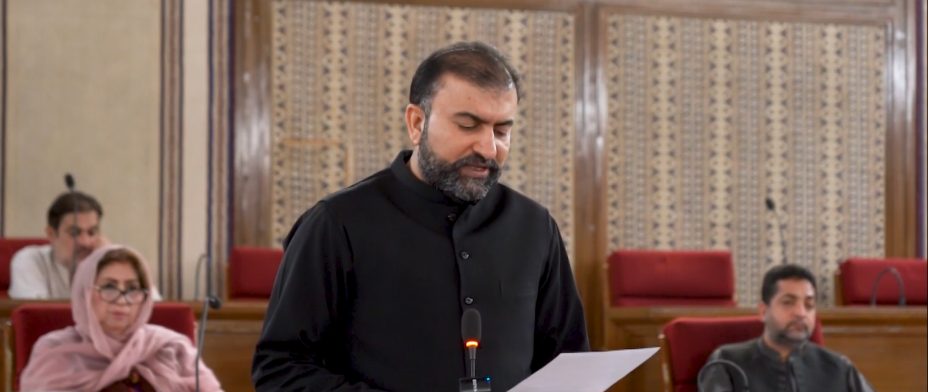
The same week, official podiums in Quetta and Rawalpindi spoke a different language: resolve, sacrifice, pride. Fallen soldiers and police officers were called the nation's pride. What was largely absent from that messaging was the harder question, why this keeps happening, year after year, in this province specifically.
We should be careful not to overstate the comparison. The elders were negotiating for the release of hostages already taken, a narrow, transactional goal with a group that had something to gain by letting them go. The state's position is different in kind: it faces groups engaged in a sustained, decades-old campaign against its security forces, not a single table it can sit down at. Security officials would rightly argue that engaging politically with those actively killing personnel is not the same as a village jirga freeing civilians.
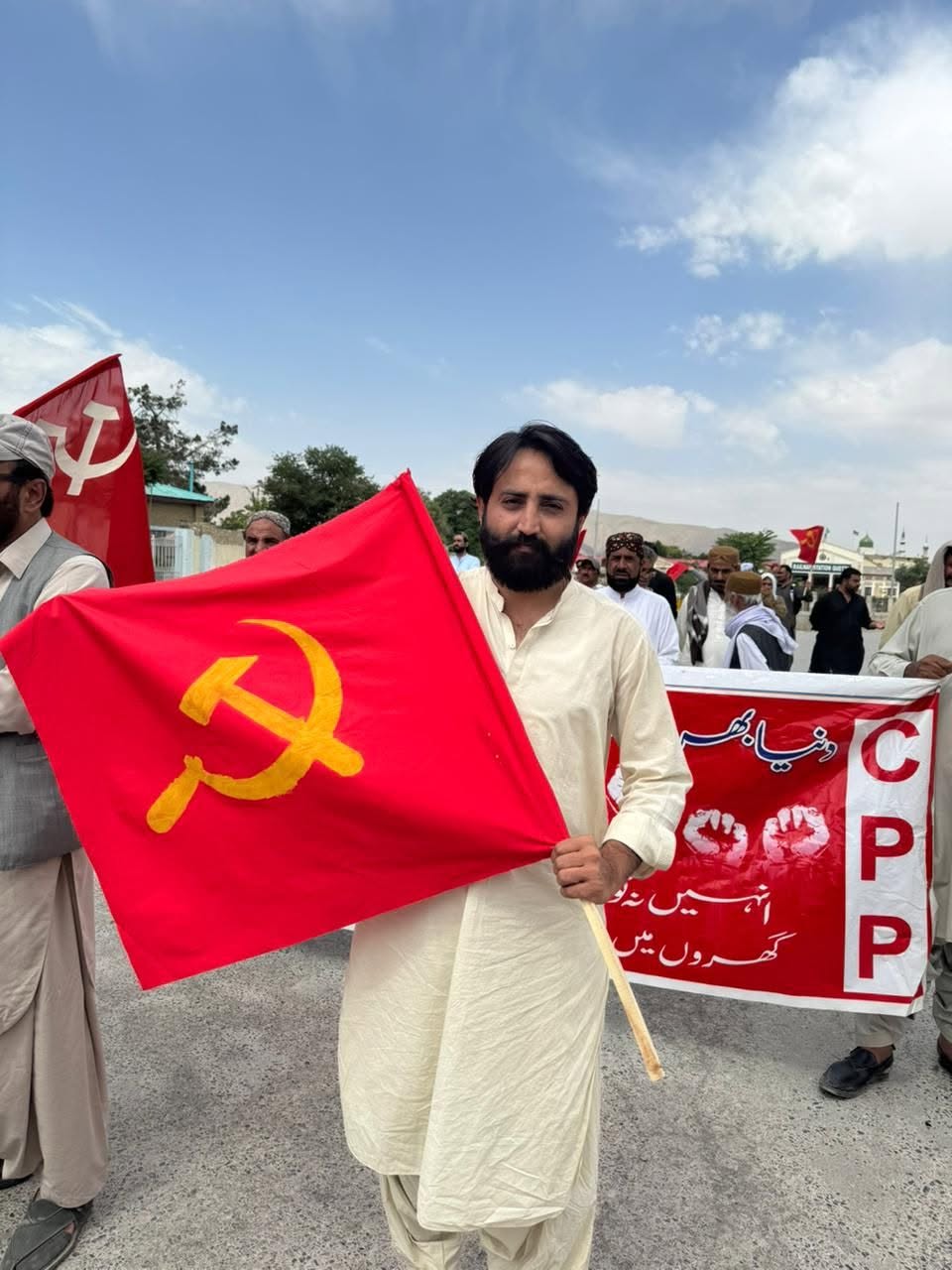
But the comparison still raises a fair question, and it isn't a fringe one, an opposition-led political forum made a similar call this week, for dialogue, an end to enforced disappearances, and a truth and reconciliation commission. If a room of elders with no army and no mandate can produce a peaceful outcome, it is worth asking, in public, whether the state has genuinely exhausted the option of talking before escalating further.
Families burying their dead this week are not asking who wins the news cycle. Whether the path forward looks more like Operation Shaban or more like Hanna Urak is the question this moment deserves, asked directly, not answered by default.

Comments
Leave a Comment
Your comment will be reviewed before it appears publicly.