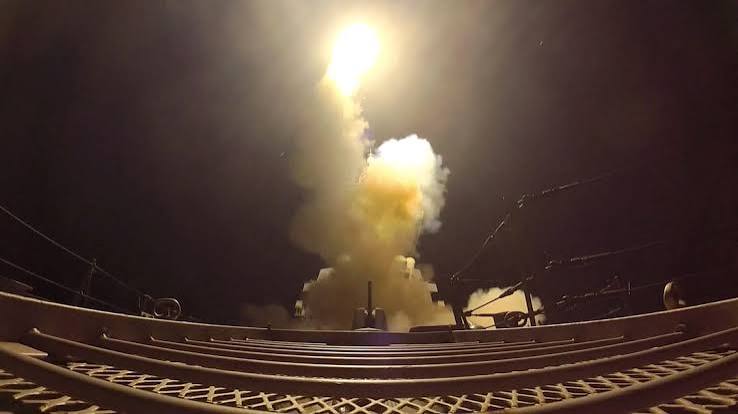
Islamabad/Washington/Tehran, July 13, 2026, The fragile truce between the United States and Iran has effectively collapsed, as both sides exchanged a second consecutive night of strikes over the weekend into Monday, with Iran retaliating against American military assets across four Gulf states after fresh US attacks on its territory.
What Happened
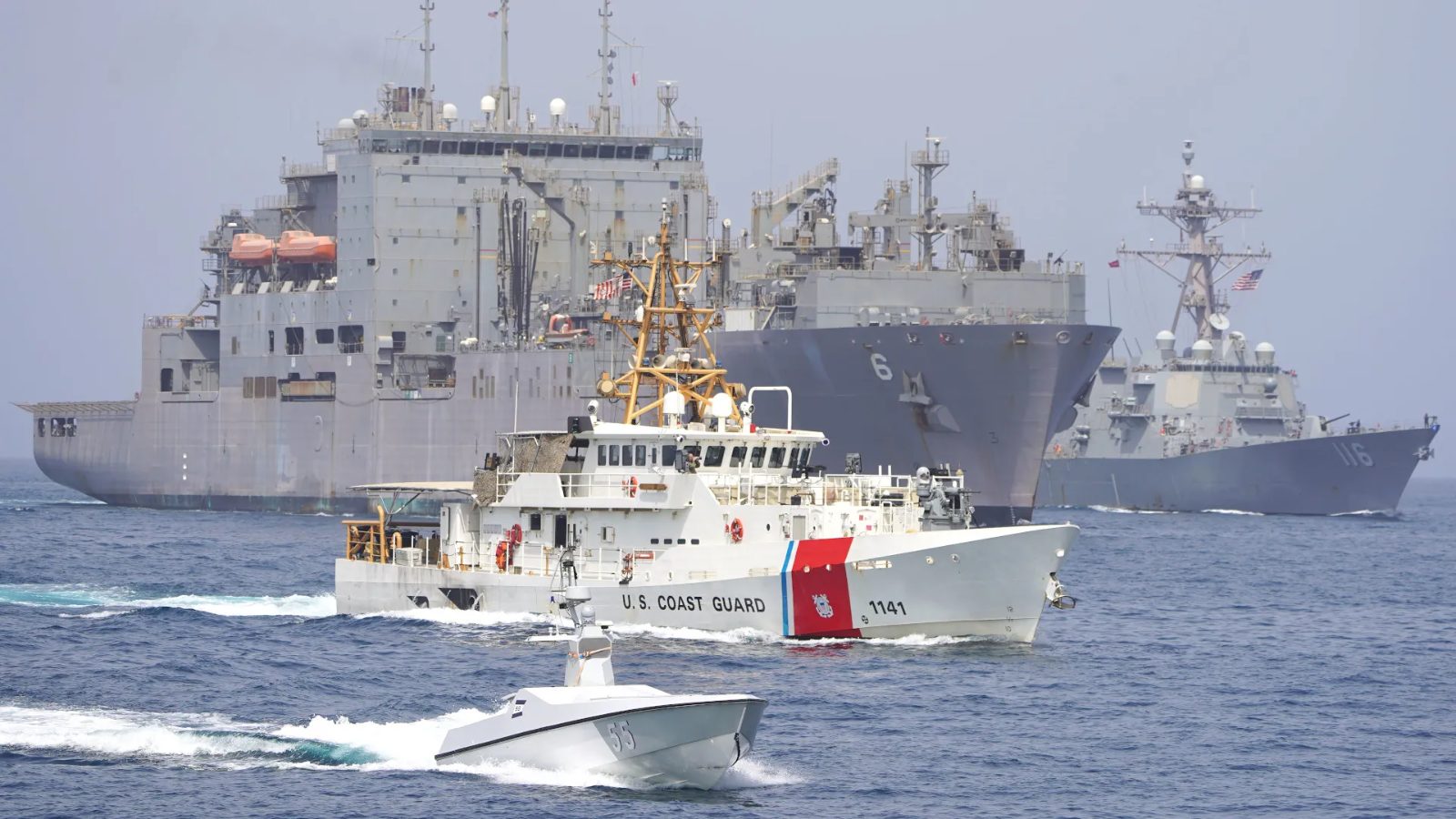
US Central Command (CENTCOM) said American forces launched a new wave of strikes on Iran beginning Sunday evening, hitting what it described as dozens of military targets, including air-defense systems, coastal radar sites, and missile, drone and small-boat capabilities, aimed at curbing Tehran's ability to threaten shipping through the Strait of Hormuz. The strikes reportedly involved fighter aircraft, naval vessels, and one-way attack drones, marking the first use of attack sea drones in the campaign.
The wave followed a similar round less than 24 hours earlier in which CENTCOM said roughly 140 Iranian military targets were struck.
Iranian state media reported the latest US strikes hit areas across southern and western Iran, including Qeshm island and Bandar Abbas near the strait, and Khuzestan province near the Iraqi border. A local official told Iran's IRNA news agency that a strike hit an agricultural water pumping station in Mahshahr city, killing one person and injuring four.
Iran's Retaliation Across the Gulf
Iran's Revolutionary Guard Corps (IRGC) said it struck US military-linked sites in four countries, Jordan, Bahrain, Kuwait and Oman, describing the action as the first phase of its response. Iranian state media said targets included Jordan's Prince Hassan Air Base, a US drone command centre in Bahrain, and bases in Kuwait hosting American forces, along with naval and radar facilities in Oman.
Sirens sounded in Bahrain, Kuwait's military said it was responding to "hostile aerial targets," and Jordan's military said it intercepted four incoming missiles. Iran also claimed an earlier round of strikes over the weekend hit US-linked facilities in Qatar. There has been no independent confirmation of the extent of damage at any of these sites, and no immediate US response to Iran's specific claims.
The Core Dispute: Is the Strait Open?
The two sides are issuing directly conflicting accounts of the Strait of Hormuz's status, a critical fault line, since the waterway carries roughly a fifth of the world's oil traffic.
- Iran's position: The IRGC says the strait "would be closed until further notice" until US involvement in the region ends, and that no vessel would be permitted to transit.
- The US position: CENTCOM insists the strait remains "open to all vessels seeking to lawfully transit" and that Iran does not control it.
Independent ship-tracking data offers a murkier picture. Kpler data cited by Dawn showed only six vessels transiting the strait on Sunday, the lowest in five weeks, while separate Kpler figures cited by CNN put Monday's transits at fourteen, half of them Iranian vessels hugging the Iranian coastline. The discrepancy reflects how fast-moving and contested the picture is; neither figure should be treated as a stable daily average.
Oil Markets React
Oil prices jumped as the exchange of strikes intensified fears over supply disruption:
- Brent crude rose roughly 3-4% to trade in the high-$70s per barrel range (reports ranged from about $78 to $79.25).
- US benchmark WTI rose to roughly $73-74 a barrel.
- Prices remain well below the wartime peak of around $112-120 a barrel reached in May, but the renewed volatility has already spooked wider markets, Asian stock futures slipped Monday, with South Korea's Kospi reported down sharply.
Diplomacy on Life Support
The strikes further undermine an interim US-Iran accord signed on June 18 that had been meant to de-escalate the conflict over a 60-day negotiating window. President Donald Trump said last week that the ceasefire component of that deal was "over," while separately saying Washington and Tehran had agreed to continue peace talks. Trump also said the US would act as "guardian" of the Strait of Hormuz going forward and would expect to be compensated for doing so.
Iran's foreign ministry said the renewed US strikes had "rendered futile" months of diplomatic efforts and accused Washington of pressuring Oman, which has been mediating technical talks on strait security, to block progress.
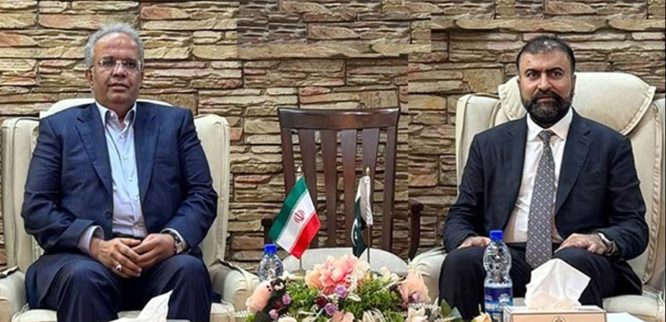
Pakistan's role: Deputy Prime Minister and Foreign Minister Ishaq Dar spoke by phone with Iranian Foreign Minister Abbas Araghchi and called for de-escalation, saying dialogue remained "the only viable path" to lasting peace. Iran's Araghchi separately briefed Pakistan's Army Chief, Field Marshal Asim Munir, condemning what he called US aggression. UN Secretary-General António Guterres also called for the attacks to stop.
Regional Spillover
The escalation is not confined to Iran and the Gulf states. CNN reported a tanker in the Gulf of Aden was approached by six small boats off Yemen's coast, and a Houthi-linked media outlet claimed Saudi aircraft struck Sanaa airport, an incident Saudi Arabia had not yet confirmed at time of writing. Houthi officials warned this could end a years-long truce with Riyadh. The Red Sea has taken on added importance for Saudi oil exports since Hormuz traffic was disrupted, meaning any Red Sea incident now carries outsized market risk.
Why This Matters for Pakistan and the Region
Pakistan sits directly downstream of this crisis on multiple fronts: it shares a long border and energy ties with Iran, has a direct diplomatic channel actively engaged in de-escalation efforts, and, like the rest of South Asia, is exposed to any sustained spike in oil prices through import costs and inflation. A prolonged closure or contested status of Hormuz would also affect Gulf remittance corridors that matter heavily to the Pakistani economy. This is a story with direct bearing on Pakistani households, not just a distant Middle East conflict.
This report is compiled and cross-verified from Dawn (citing AFP/Reuters), Bloomberg, CNN, CNBC, NBC News, and CBS News live coverage as of the morning of July 13, 2026. This is a fast-moving, contested story, casualty figures, strait-transit data, and damage claims from both sides are disputed or unconfirmed in places, and are presented here as claims attributed to each side rather than verified fact where independent confirmation is not yet available. No text has been reproduced verbatim from any source; all claims are paraphrased and attributed. This should be treated as a snapshot as of time of writing and updated before publication if the situation has moved further.
Filed by: International Desk, The Balochistan Dispatch



Comments
Leave a Comment
Your comment will be reviewed before it appears publicly.