Security and Conflict in Balochistan
Balochistan has seen recurring armed conflict since 1948, in five broadly recognised waves; the current phase dates from the mid-2000s. Baloch armed groups attack security forces, infrastructure and, increasingly, workers from other provinces. The state responds with military and paramilitary operations. Separately, sectarian and jihadist groups have carried out mass-casualty attacks in Quetta and along the Afghan border.
Reporting this is difficult and consequential. Independent journalists face movement restrictions, and both armed groups and the state contest casualty figures. Balochistan Dispatch reports what can be verified, attributes what cannot, and treats claims of responsibility as claims rather than facts.
This page brings together our conflict reporting -- incidents, operations, casualty accounting and the civilian consequences that usually go unrecorded.
Explore this subject
Supporting coverage that feeds into Balochistan Insurgency:
Latest Balochistan Insurgency coverage
5 stories tagged Balochistan Insurgency from Balochistan Dispatch.
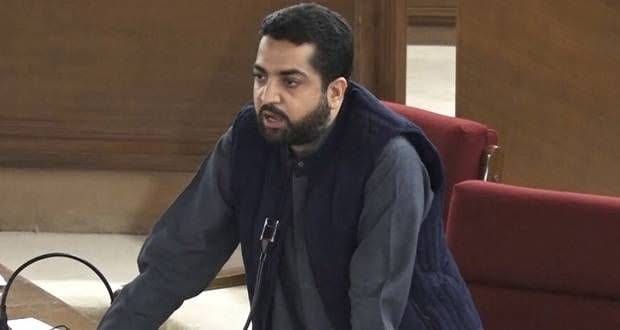
Balochistan Home Minister’s Convoy under attack in Mastung; Five Security Personnel Wounded
A heavily armed group of unidentified assailants attacked the security convoy of Balochistan’s Provincial Home Minister,...

Pakistani Forces Kill 15 Militants in Balochistan Operations
15 suspected militants killed in intelligence-led operations across Balochistan as forces intensify a counter-terrorism campaign, the interior ministry says.
Balochistan: Multiple Killings, Abductions Reported in 24 Hrs
several people have been killed and others abducted in a series of separate violent incidents across different districts...
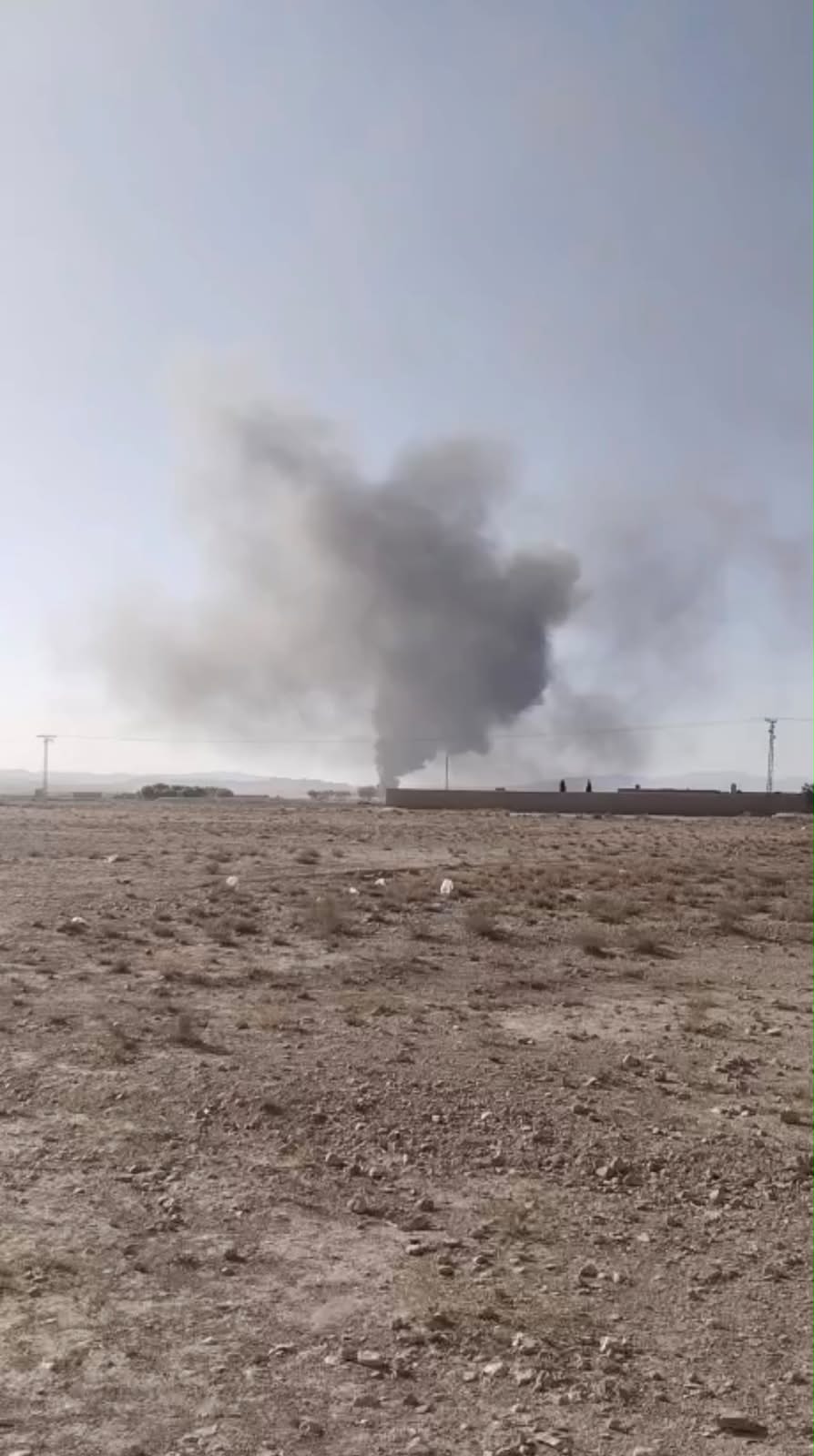
Conflicting claims emerge after security forces convoy attacked in Mastung
A convoy of security forces came under attack in Balochistan's Mastung district on Thursday, with local sources, securit...
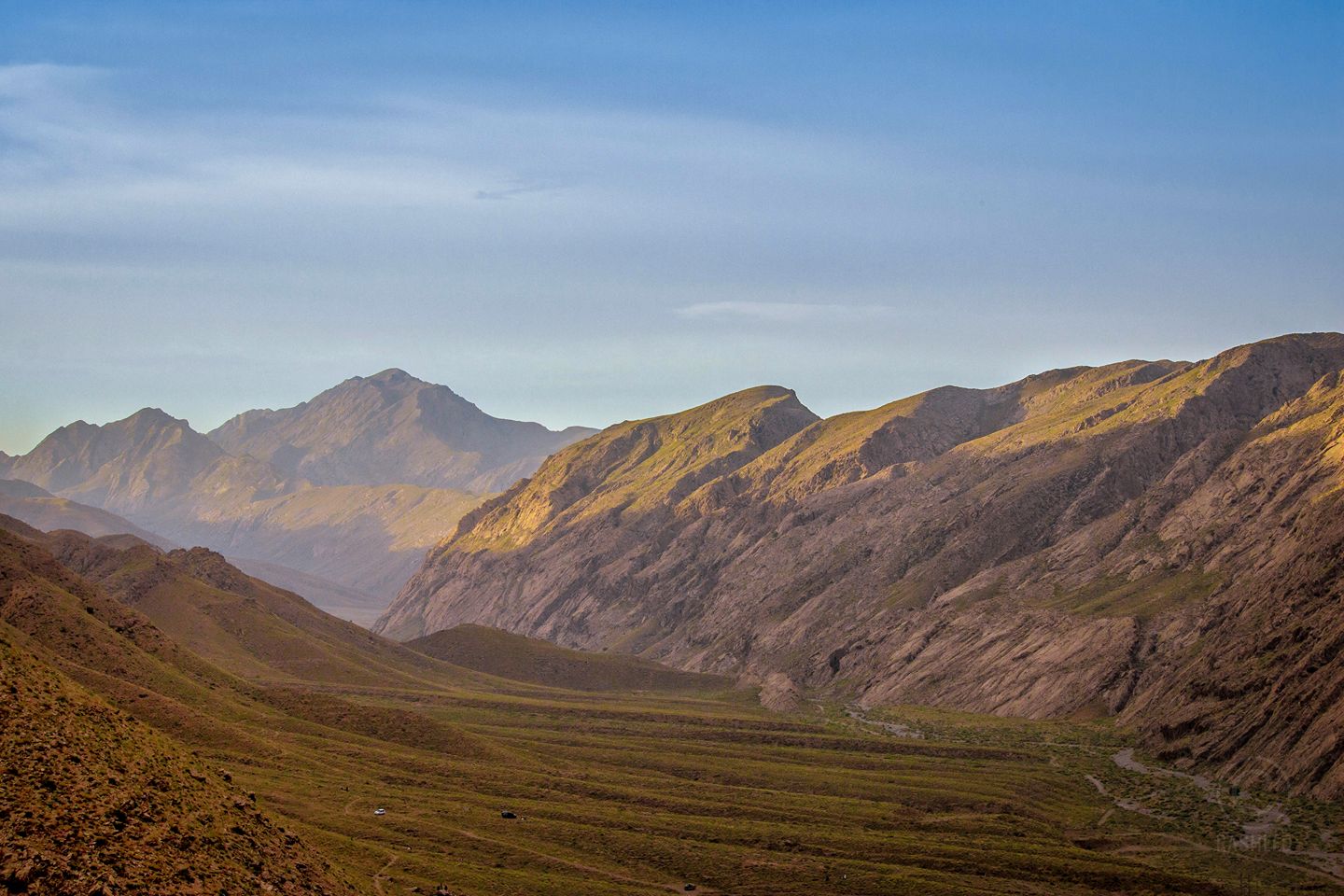
Operation Shaban: the toll, the timeline, and why Balochistan keeps cycling through this
Security forces say 114 militants have been killed since July 5. The bigger question, one the death tolls alone don't an...
Frequently asked questions
Why is there an insurgency in Balochistan?
Baloch nationalist movements cite the circumstances of Kalat's accession to Pakistan in 1948, the province's low share of revenue from its own gas, coal and mineral resources, weak political autonomy, and enforced disappearances and military operations as the grievances driving armed resistance. The Pakistani state characterises the insurgency as a small, externally sponsored campaign rather than a popular movement. Both framings appear in reporting on the province, and the underlying resource and autonomy disputes are documented independently of either.
What is the Balochistan Liberation Army?
The Balochistan Liberation Army (BLA) is the best-known Baloch armed separatist group, active since the early 2000s. It has claimed attacks on security forces, gas infrastructure, Chinese nationals and CPEC-linked projects, and operates through units including the Majeed Brigade, which conducts suicide operations. It is designated a terrorist organisation by Pakistan, the United Kingdom and the United States.
What happened to the Jaffar Express?
The Jaffar Express is the passenger train linking Quetta to Peshawar. In March 2025 it was hijacked in the Bolan Pass by BLA fighters who blew the track and held hundreds of passengers, triggering a multi-day military rescue operation with substantial casualties. The train had been repeatedly targeted by bombings on the same route in previous years, and services have been suspended and restored several times since.
Is it safe to travel to Balochistan?
Risk varies sharply by district. Quetta and the main highways see periodic attacks; parts of the Makran coast and the settled north are comparatively calm; districts along the Afghan and Iranian borders and areas of active operations carry the highest risk. Most Western governments advise against all but essential travel to the province, and foreign nationals generally require a No Objection Certificate for travel outside Quetta. Conditions change quickly, so current local advice matters more than any general assessment.
Who are the Hazara of Quetta and why have they been targeted?
The Hazara are a Shia Muslim community, largely descended from people who migrated from central Afghanistan from the late nineteenth century, concentrated in two neighbourhoods of Quetta. They have been the target of repeated sectarian mass-casualty attacks by Sunni extremist groups, most severely in the 2013 Alamdar Road and Hazara Town bombings and the 2021 Mach coal-miners killings. Sustained violence has effectively confined much of the community to two heavily guarded enclaves.