Climate, Water and Livelihoods in Balochistan
Balochistan is the driest province of a country the Global Climate Risk Index repeatedly ranks among the world's most climate-vulnerable. Its groundwater is being pumped out faster than it recharges, its centuries-old karez channels are running dry, and the same districts now cycle between multi-year drought and catastrophic flash flooding -- Balochistan was among the worst-hit provinces in the 2022 floods.
The consequences are economic before they are environmental: apple and date orchards abandoned in Kalat and Panjgur, herders selling livestock at distress prices, coastal fishing communities pushed out by trawlers and warming waters, and a steady migration toward Quetta, which is itself running out of water.
This page collects our reporting on water, climate and the livelihoods that depend on both.
Explore this subject
Supporting coverage that feeds into Balochistan water crisis:
Latest Balochistan water crisis coverage
3 stories tagged Balochistan water crisis from Balochistan Dispatch.
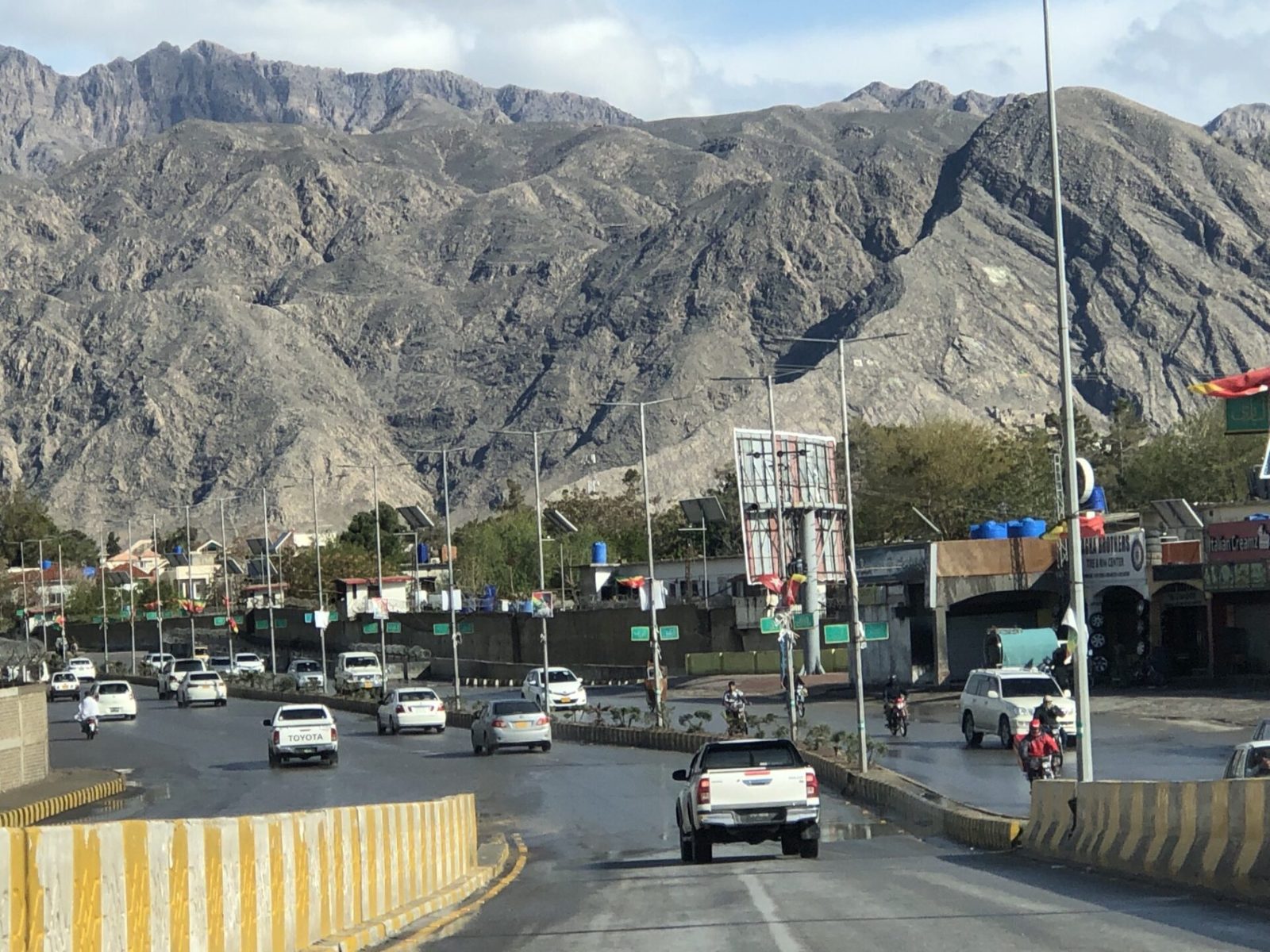
Quetta water crisis deepens as tanker strike enters fourth day
Suspended tanker deliveries and soaring black-market prices have deepened Quetta's summer water crisis, with residents demanding urgent government action.
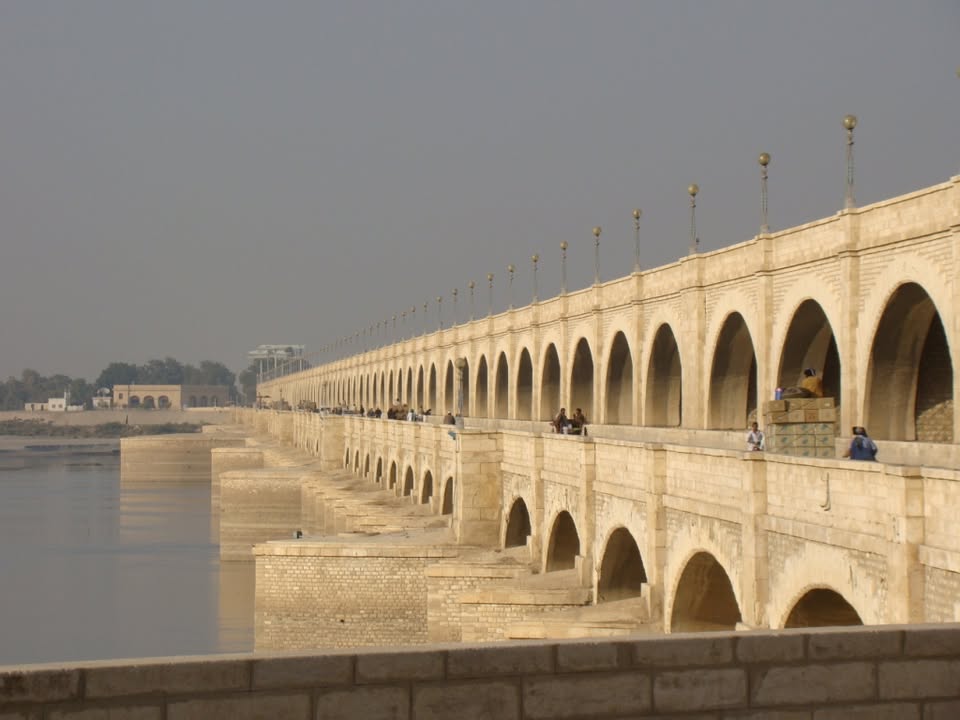
Nasirabad: Severe Water Shortage in Pat Feeder, Kirthar Canals Pushes Crops Toward Ruin
The fields in Nasirabad are thirsty, and the canals that should be feeding them are running dry.
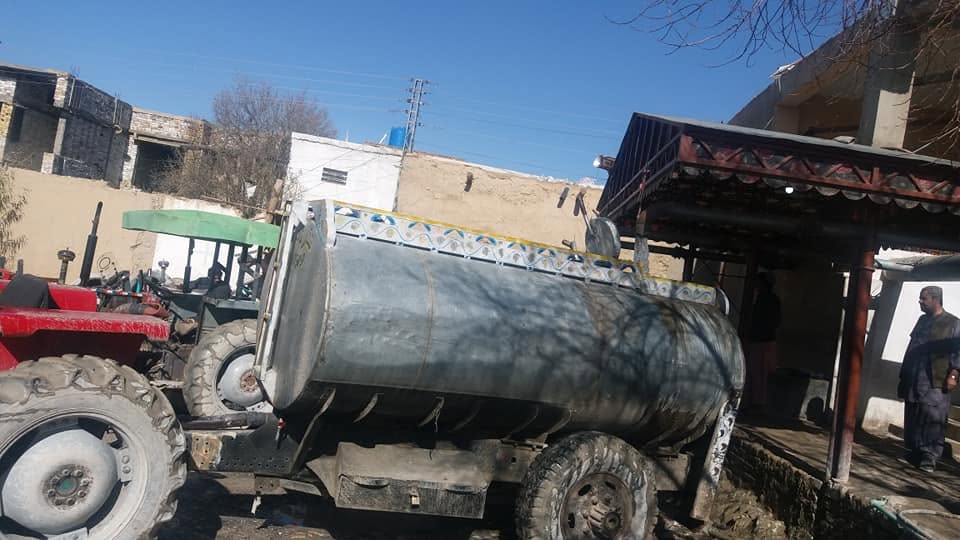
Quetta Water Crisis Deepens as Tanker Strike Continues
An indefinite strike by Quetta's water supply and tanker associations has triggered a citywide water shortage, with residents demanding government intervention.
Frequently asked questions
Why is Balochistan running out of water?
Three causes compound each other. Rainfall is low and has become less reliable. Subsidised electricity and diesel made it cheap to sink thousands of tubewells, which pump groundwater far faster than it recharges. And the traditional karez systems that once distributed a sustainable share of that groundwater collapsed as the water table fell below their channels. The result is that Quetta and much of the province are drawing down a finite aquifer rather than living off annual rainfall.
What is a karez and why does it matter?
A karez (called a qanat in Iran) is a gently sloping tunnel dug from an aquifer at the foot of a mountain to fields lower down, moving water by gravity with no pumping and very little evaporation. Access rights were shared among users, which capped extraction naturally. Karez sustained agriculture across Balochistan for centuries. Most have now gone dry because tubewells lowered the water table beneath the tunnel floor -- so their loss is both an irrigation failure and the loss of a working system for rationing a shared resource.
How did the 2022 floods affect Balochistan?
Balochistan received several times its normal monsoon rainfall in 2022. Every district was affected. Flash floods destroyed road and rail links including sections of the Quetta line, swept away bridges, killed livestock and inundated standing crops and orchards. Because much of the province's farming is orchard-based, the losses extended over several seasons rather than one: a drowned date palm or apple tree takes years to replace.
What is happening to Balochistan's fishing communities?
Small-boat fishermen along the Makran coast report shrinking catches, which they attribute mainly to industrial trawlers -- including illegal bottom trawling -- operating inside waters reserved for artisanal fishing, and to loss of harbour access where port infrastructure has expanded. Warming and changing water conditions are compounding the pressure. Since fishing is the main livelihood in Gwadar, Pasni and Jiwani, the effect is on whole towns rather than one industry.
Which crops are most at risk from drought in Balochistan?
Orchard crops are the most exposed, because they cannot be skipped for a season the way an annual crop can: apples in Kalat, Ziarat and Mastung, dates in Panjgur, Turbat and Kech, and grapes and almonds across the highlands. All are water-intensive perennials representing years of investment per tree. Growers who lose a tubewell or a karez typically lose the orchard, not just one harvest -- which is why drought in Balochistan shows up as permanent land abandonment and migration.