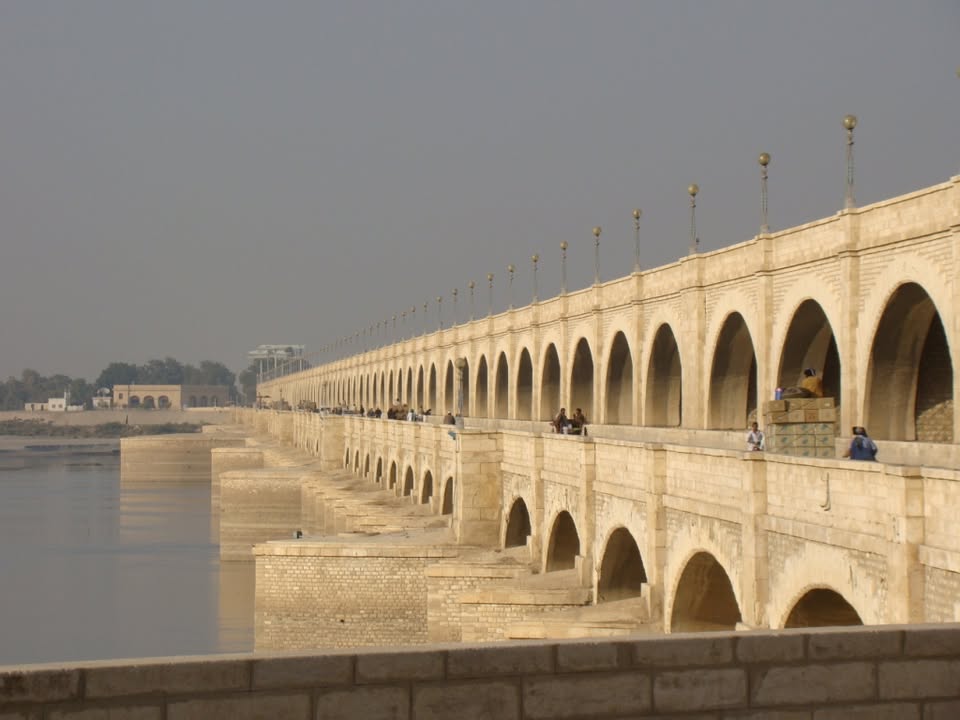
Mir Muhammad Amin Umrani, a local Pakistan Peoples Party leader and former provincial minister, has warned that agricultural land irrigated by the Pat Feeder and Kirthar canals is on the brink of ruin because of a severe water shortage, and that if Balochistan isn't given its full share of water immediately, farmers will have no option left but to take to the streets in protest.
In a statement issued this week, he said water was released later than usual this year and only reached the area in early June but the entire month was reserved solely for drinking water needs. Irrigation for farmland never came around; in fact, water often failed to even reach the tail ends of several branches, meaning the ponds farmers rely on for storage were left empty.
Even after the rotation system began, he said, nothing improved. Irrigation department officials continue to maintain that Balochistan is receiving its full share from the Gudu Barrage but according to Umrani, the situation on the ground tells a different story entirely. Despite a rotation covering three to four branches, not a single one is receiving its full allocation.
He pointed to several branches by name locally known as the Umrani, Tapal, Qaidi, Balan, and Magsi branches where, despite five days passing, water hasn't even moved from one distribution point to the next, let alone reached the tail end. The direct result: standing crops on thousands of acres are suffering severe damage.
"People keep being reassured, but this situation can no longer be tolerated," Umrani said, warning that if conditions persist, farmers will be forced onto the streets again as they have in past years and this time, he said, the protest won't be symbolic. It will continue until their rights are secured.
Backing his demand with figures, he appealed directly to provincial Irrigation Minister Mir Muhammad Sadiq Umrani. According to him, roughly 1,63,800 cusecs of water are currently available at Gudu Barrage, which by calculation should give Balochistan a share of over 19,000 cusecs yet the Pat Feeder Canal isn't even receiving its designated 6,700 cusecs. Similarly, he said, around 96,000 cusecs are available at Sukkur Barrage, where Balochistan's share for the Kirthar Canal comes to roughly 11,000 cusecs, but Sindh is reportedly withholding about 2,400 cusecs of it.
He questioned the logic of the situation: if the claim that Punjab isn't releasing water is accepted, then where is the large volume of water at Gudu and Sukkur barrages coming from? Other canals in Sindh, he said, are being given surplus water, while Balochistan's two key canals are being denied even their fixed share.
Soaring temperatures of 52°C have made matters worse not only are crops being scorched, but people are also struggling to access drinking water. Umrani noted that both Sindh and Balochistan currently have Pakistan Peoples Party governments, making it inappropriate, in his view, for the public to be pushed into protest.
He appealed to President Asif Ali Zardari, PPP Chairman Bilawal Bhutto Zardari, and Faryal Talpur to ensure Balochistan's full water share is provided without delay, so that the serious hardship facing farmers can be brought to an end and the province's agricultural economy spared further damage.
Comments
Leave a Comment
Your comment will be reviewed before it appears publicly.