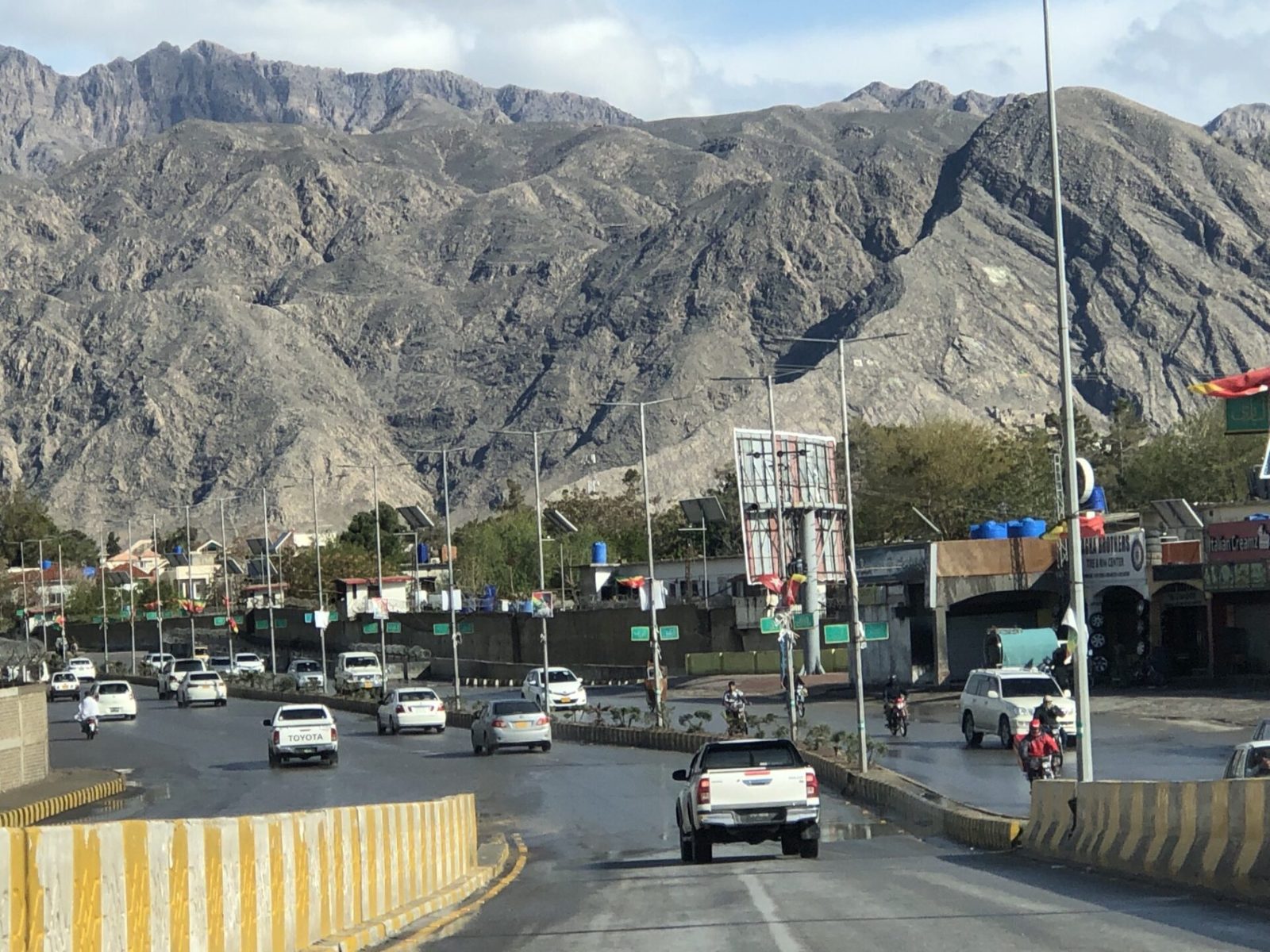
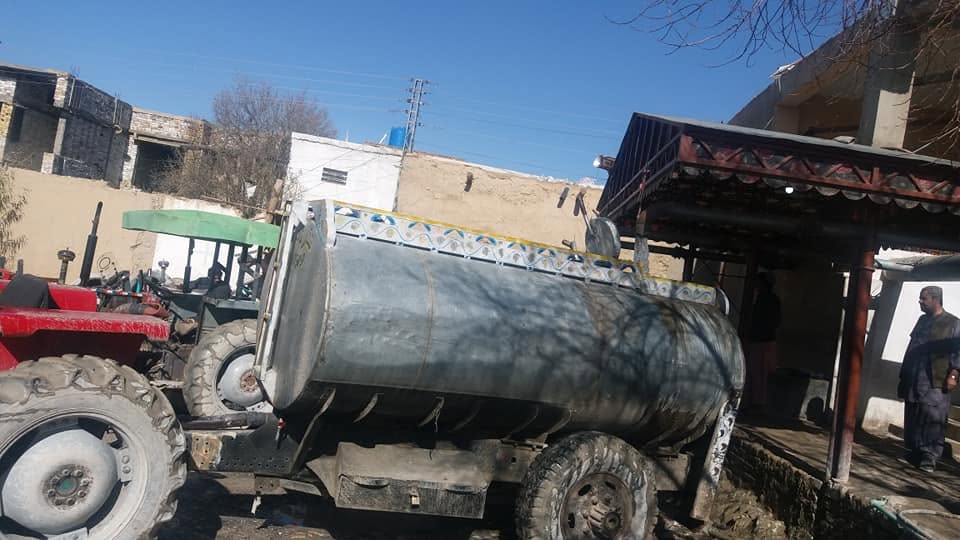
A strike by the Water Tanker Association has entered its fourth consecutive day, crippling water supply across Quetta and pushing thousands of households in the provincial capital into severe hardship as a summer heatwave tightens its grip.
With tanker deliveries suspended, residents said they had been left without water for daily life usages. In many homes stored water has run out entirely, leaving women, the elderly and children to scramble for whatever supply they can find.
Residents across several neighbourhoods described walking for hours between filling points in search of water, often returning with far less than a household needs. The shortage, they said, has been made harder to bear by rising temperatures, which health experts note increase the body's daily water requirement raising the risk of dehydration and related illness if the crisis is not resolved quickly.
As supply has dried up, prices have surged. In Hazara Town, a single water tanker was being sold for as much as Rs8,000, residents said. In other parts of the city including Sariab Road, Joint Road, Arbab Karam Khan Road, Double Road, Sirki Road, Mekongi Road, Jinnah Town and Shahbaz Town, among other areas smaller tankers were changing hands on the black market for between Rs3,000 and Rs3,500, well above their usual rates.
Affected residents accused some private operators of exploiting the strike to profiteer, and said the administration had failed to curb the black marketing. They demanded immediate action against those inflating prices so that relief could reach ordinary households.
Citizens called on the Balochistan government, the district administration, the Water and Sanitation Authority (Wasa) and other relevant authorities to open urgent negotiations with the Water Tanker Association to end the strike, and to take emergency measures to restore supply. Water is a basic necessity, they said, and its absence is intolerable; providing immediate relief, they argued, is the government's responsibility.
Residents and community figures noted that Quetta faces acute water shortages every summer, but said the tanker strike had deepened this year's crisis. They urged the government to put in place a permanent, workable plan for water supply so that the city is not pushed to the brink each year.
They warned that if supply is not restored soon and artificial price rises are not brought under control, public protests could widen, as the shortage is now disrupting daily life across the city. For most residents, they said, the lack of water has become the single largest problem they face.
Comments
Leave a Comment
Your comment will be reviewed before it appears publicly.