The Balochi Academy has developed the first optical character recognition (OCR) tool for the Balochi language, a step it says will help rescue rare books and manuscripts from decay even as it renewed its demand that the provincial government scrap a bill the academy warns would strip its independence.
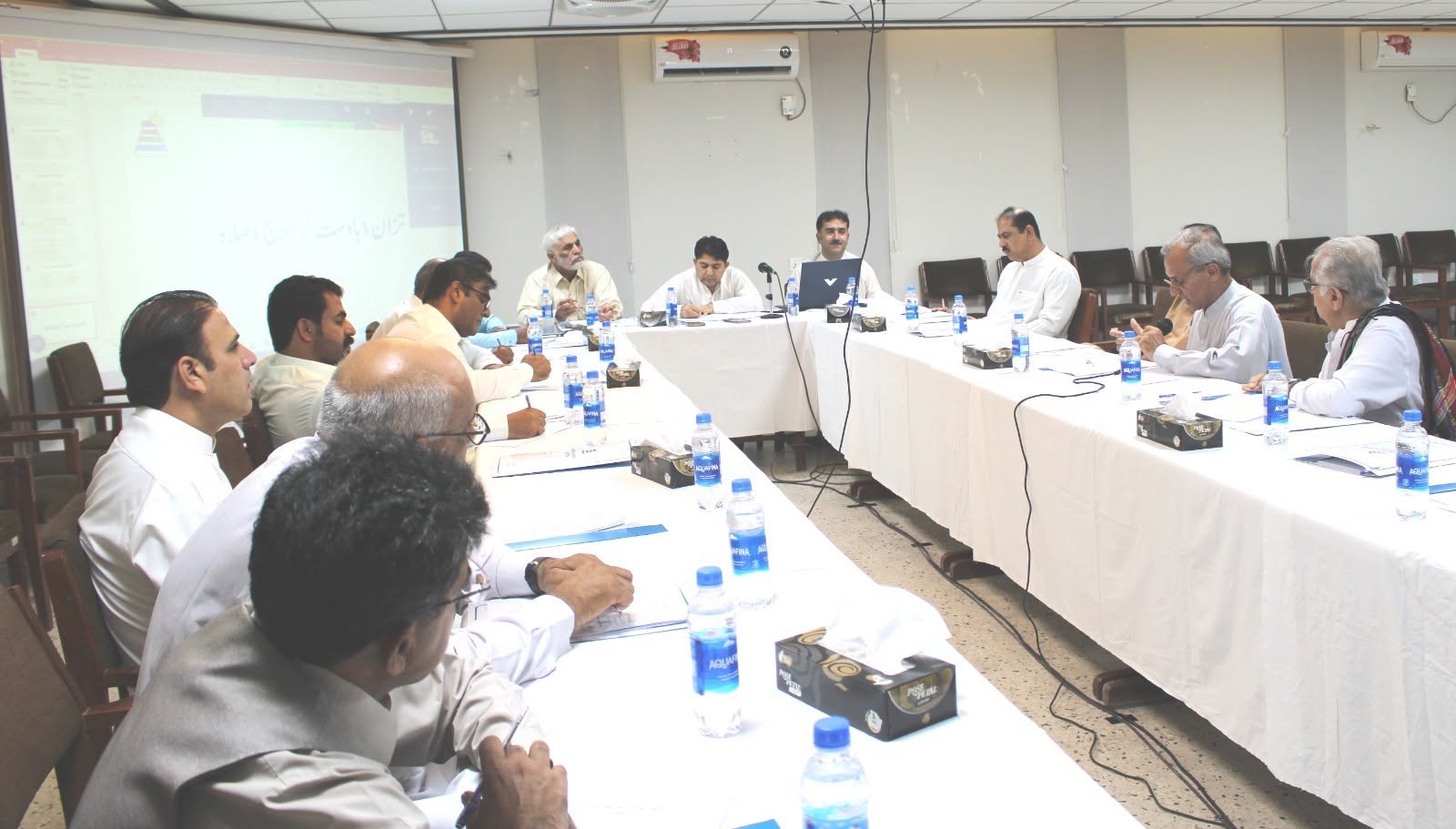
The announcement came at the academy's 59th general body meeting, held on Sunday at the Balochi Academy complex in Quetta and chaired by its chairman, Haibtan Omar. Members reviewed the year's literary, financial and administrative work, approved the annual accounts, and discussed the academy's publishing and digitisation projects.
Presenting the annual report, General Secretary Irfan Jamaldini said the Balochi OCR built for the first time would allow images and PDFs to be converted into editable text, making it far easier to restore rare Balochi titles and old manuscripts to a publishable form. He said work on the academy's encyclopedia had advanced significantly, with the first volume expected to be finished by the end of this year, and that its natural language processing (NLP) project aimed to standardise and modernise Balochi in line with current technology. Publication Secretary Zakir Qadir told members the academy had printed 11 books over the past year, including the Balochistaniyat research journal, with dozens more manuscripts in progress.
Much of the meeting, however, turned on the academy's opposition to the proposed Balochistan Literary and Languages Bill 2025. The academy says the legislation would place autonomous literary and research institutions under the School Education and Culture Department, ending the independent status they currently hold as bodies registered under the Societies Registration Act 1860. Members described this as a serious blow to institutional autonomy and demanded the bill be withdrawn, along with a commitment to sustained financial support for the province's literary and cultural bodies.
The concern is not the academy's alone. Since the bill first surfaced earlier this year, the Pashto and Brahvi academies and political parties including the ANP and PkMAP have voiced similar objections. The provincial government, for its part, has defended bringing the academies under closer oversight; the chief minister has previously told the assembly that some academy-published material was contributing to the alienation of young people from the state a characterisation the academies and opposition parties reject.
Members also pressed a set of longer-standing demands. They called for a Balochi-language curriculum in government schools, the appointment of trained Balochi teachers, and the advertising of Balochi lecturer posts at the college level through the Public Service Commission. They asked the federal and provincial governments to release additional funds for the academy's research work the Balochi NLP project in particular arguing that it cannot be sustained on current resources. And they urged the School Education Department to stock books published by the province's language institutions in school and college libraries, and the Culture Department to buy such books for public libraries so that young readers can use them.
Finally, the general body directed the academy's executive council to speed up its core work: preparing educational material for children, translating world classics into Balochi and Balochi literary and historical works into English and other languages, and expanding research and publishing on Balochi dialects, literary history and the history of Balochistan.
Published in Balochistan Dispatch, August 3rd , 2026
Comments
Leave a Comment
Your comment will be reviewed before it appears publicly.