
Balochistan is living through its bloodiest stretch in a century, and the province is running out of ways to grieve before the next attack arrives. Human casualties in this undeclared war have reached four digits over the past year alone. In the month now closing, the toll has already touched two hundred, security personnel, civilians, and members of banned separatist organisations included. All of them, whatever side of the gun they stood on, belonged to the same land.
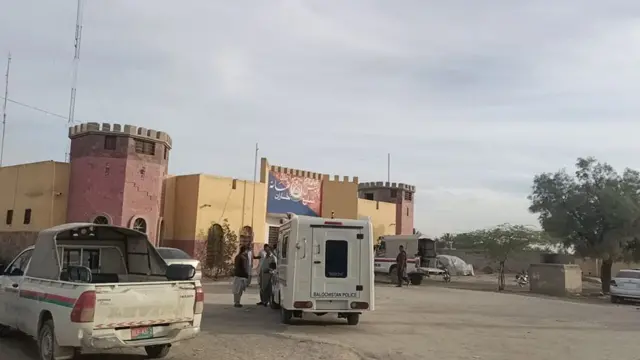
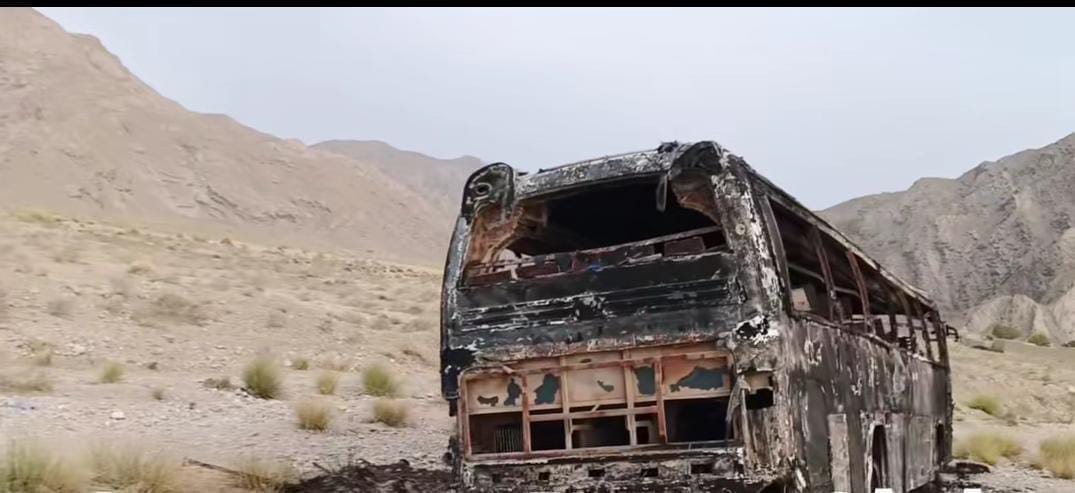
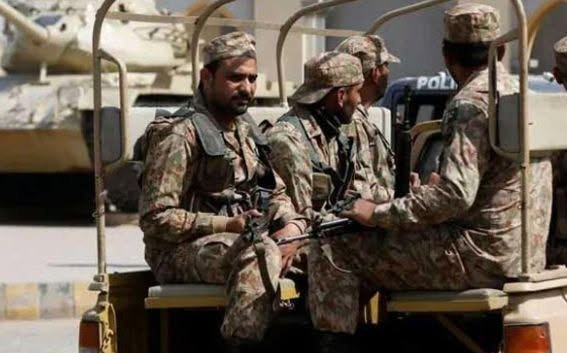
What makes this moment different is not only the scale of the violence but its pace. Each attack now arrives before the last one has been mourned. A railway attack is overtaken by a Quetta City attack, which is in turn overtaken by the assault on the Ziarat police post and somewhere in that sequence, the civilian deaths in Hanna Urak are already fading from public memory. Curfews are in force in parts of Nushki, Khuzdar, Mustung, and Gwadar. A full-scale security operation is under way. The ISPR has announced that more than 100 militants have been killed. And still, the casualties climb.
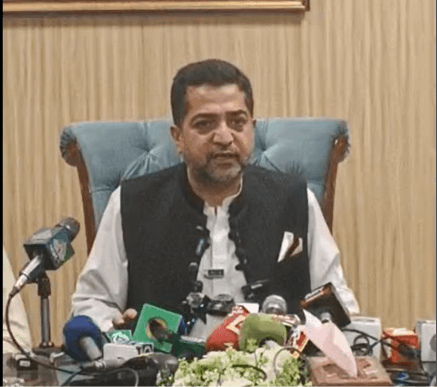
On Thursday, that pattern claimed one of its most consequential victims yet: Sessions Judge Abdul Hakeem Kakar and his guard were killed in an ambush while travelling to Mastung, with another judge wounded in the same attack . Hakeem's brother lawyer Jamal Nasir killed in 8 August 2016 in Civil Hospital Quetta's attack on Lawyers . A sitting judge, murdered on the road to his own courtroom, is not a statistic that should be allowed to blur into the next news cycle. It deserves to be sat with.
And yet the reflex, whenever this province bleeds, is not to interrogate the competence of its own government. It is to reach for the familiar rhetoric of an external enemy, a script that is, in truth, a matter of foreign policy, and one that belongs at the level of the state, not the street. When we allow a foreign-policy question to be repackaged as an internal communal conflict, we are not being vigilant. We are being lazy. It is easier to blame a hostile neighbour than to ask why an entire province remains this ungoverned, this unequal, and this combustible, year after year.
If there is a way out, it will not be found only at the end of a rifle. A federal government effectively captured by the establishment, standing in for genuine people's representation, has to give way to real political stability that alone is worth half the solution. Border trade and job opportunities for a young, underemployed population account for a further significant share. National and international investment in the province's mineral wealth must translate into a real, visible share for the province and its local communities, not extraction without return. Only the remainder , the hard core of extremism that cannot be reasoned with, is a problem for security forces alone to solve.
That is the ratio Balochistan needs. What it has instead is an operation, a curfew, and a body count. The guns will not fall silent because ISPR announces another round number. They will fall silent when the people of this province have a state worth not fighting.

Comments
Leave a Comment
Your comment will be reviewed before it appears publicly.