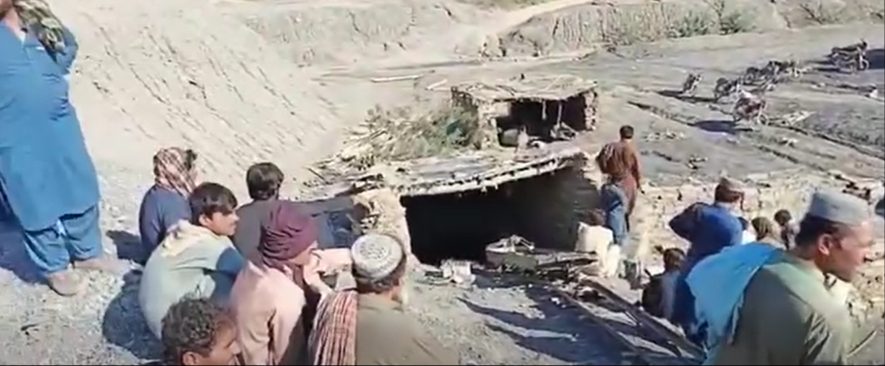
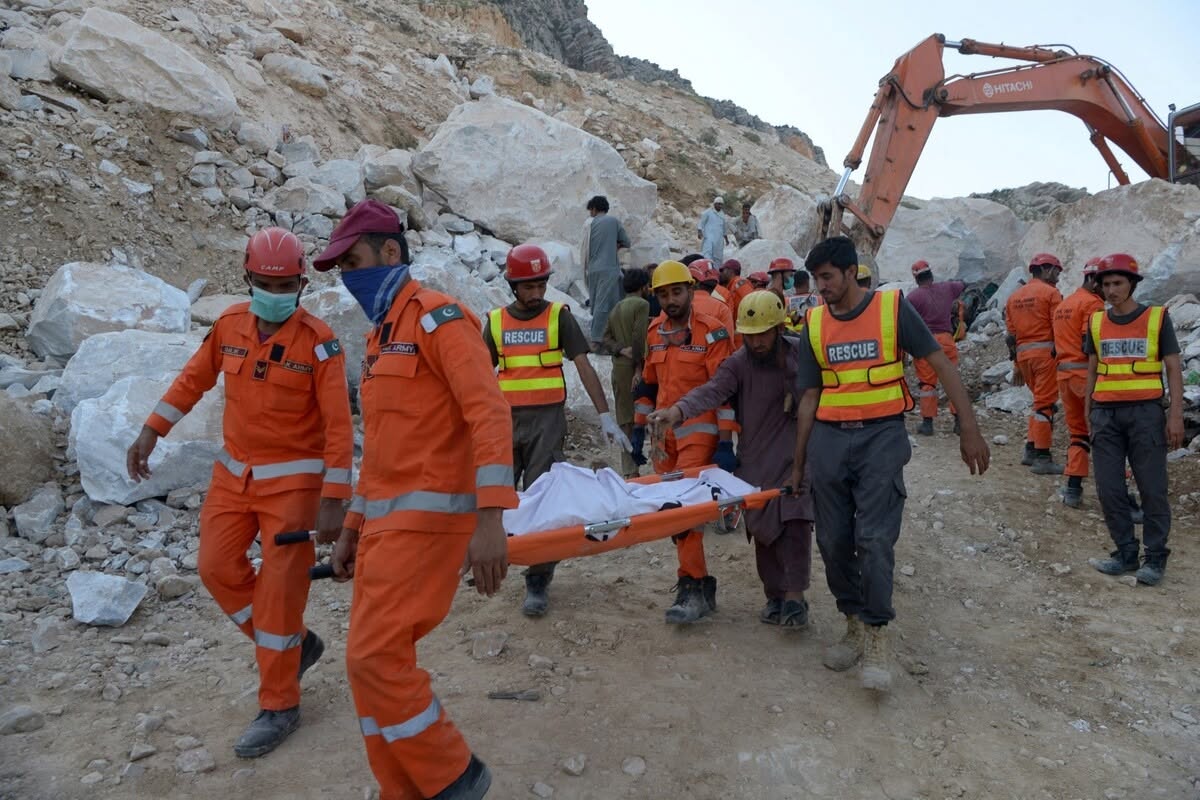
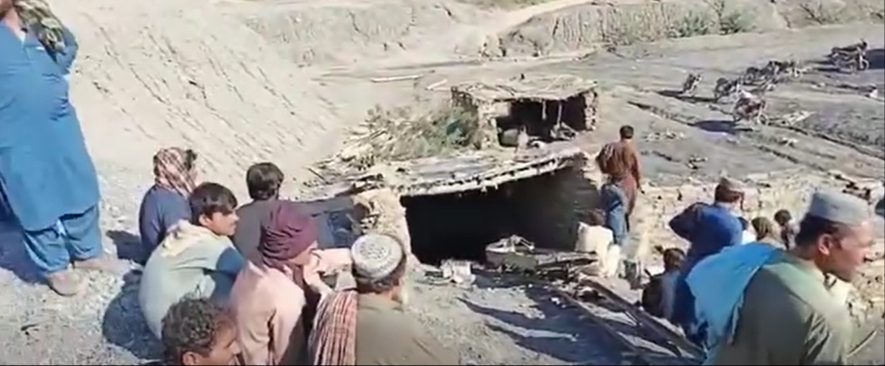
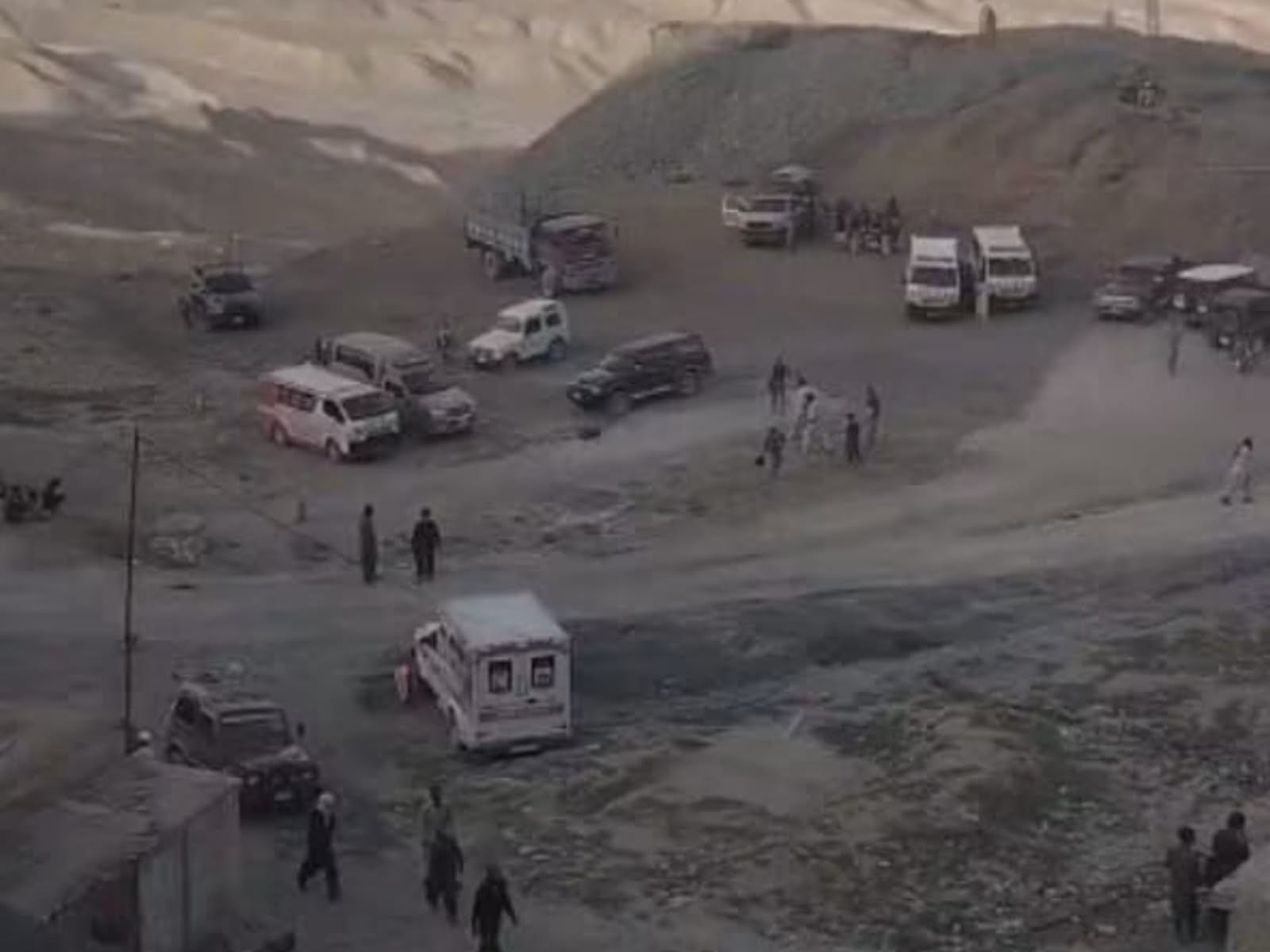
When the methane ignited deep inside a coal mine in Sorange, on the outskirts of Quetta, on Thursday, the men working the seam thousands of feet below had no warning and no way out. At least 34 of them were dead by Friday, their bodies carried up one at a time as rescue teams fought to reach the last of those still trapped underground. The blast damaged a neighbouring mine as well, trapping more than 50 workers in all; 22 were pulled out alive.
For the people who gathered at the pithead, it was a familiar vigil. In Balochistan's coalfields, the wait for a body has become a ritual.
The Sorange disaster is not an aberration. According to the Pakistan Central Mines Labour Federation, 89 miners lost their lives in the province's coal pits over the past year,if we count Sorange's incident ,then it become 123 and 657 over the past eight years ,which are reported . the federation says the death rate has climbed far above as compare to any other province. Official records suggest the true toll is higher still: the provincial Mines and Minerals Department counts more than 42,000 miners across some 3,491 mines in six districts, and by official reckoning more than 200 of them die every year. The gap between those numbers is itself part of the story.
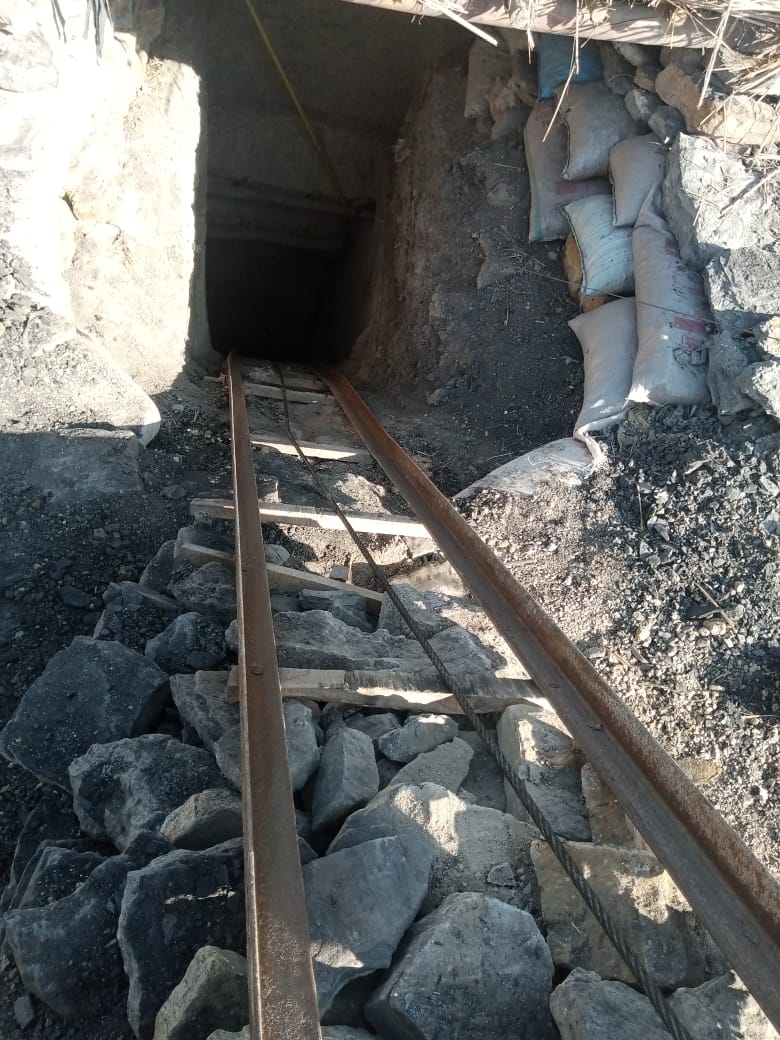
They die of suffocation, of poisonous gas, of collapsing roofs, of explosions ; and more slowly, of the lung diseases that come from breathing coal dust for a decade or more.
Esmatullah has been going down into the mines around Duki since 1998, and has buried more friends than he cares to count. "The government has taken no serious steps for us," he said.
"There is no proper machinery, no rescue team to pull out the men who get trapped." He remembers two colleagues from Qila Saifullah, killed when a mine caved in two years ago. Their bodies were recovered 42 days later.( he waves his hand toward front mountain ) "Their wives and children waited at the top of that mountain for 42 days" he said. When disaster strikes, he added, it is usually the miners' own union and local residents who dig the trapped and the dead out of the earth ; not the state.
The work itself is, by any measure, inhuman. Men are hired by the day, never given a permanent job. They descend through unsafe tunnels on antiquated equipment, into pits with no ventilation system and a chronic shortage of helmets, masks and the most basic safety gear. Shifts run 10 to 12 hours. Wages are low, and not even paid on time. There is no provision for their health, and nothing set aside for their children's schooling.
The least these men are owed, the men who go into the dark to bring up our light and our heat, is to be treated with dignity, and with justice.
The miners are drawn from Balochistan's poorest - Pashtun, Hazara and Baloch labourers, and, until recently, a large number of Afghans, whose presence in the pits has thinned almost to nothing since Pakistan launched its mass repatriation drive in late 2023.
On paper, they are protected. Pakistan's Constitution, Articles 3 and 37, the Mines Act of 1923, the Factories Act and Balochistan's own labour policy all speak to their rights. The International Labour Organisation's Convention 176, the global benchmark for mine safety, sets the standard more clearly still: safe working conditions, a minimum wage, immediate medical aid after an accident, and proper compensation. Pakistan has never signed it. In Balochistan's pits, none of these protections reach the men underground.
When a miner is killed, compensation is slow, partial, and sometimes never comes at all. "We try to give the heirs four to five lakh rupees," said Naseem Khan, who himself owns several mines. Investigations, he conceded, rarely lead anywhere. "I have never seen a single mine owner made to stand before the law" an admission, from an owner, of the impunity that surrounds every death.
That impunity has a structure. Mine owners, contractors and a local elite share an interest in keeping these deaths out of view. The province's labour and mine-inspection system is threadbare; word of an accident often reaches the outside world only hours later, by which time it is frequently the local community, not any official rescue service, hauling out the bodies. The surviving workers stay silent, afraid of losing the only work they have. Most are illiterate and unaware of the rights they are owed. And the state broadcaster looks away.
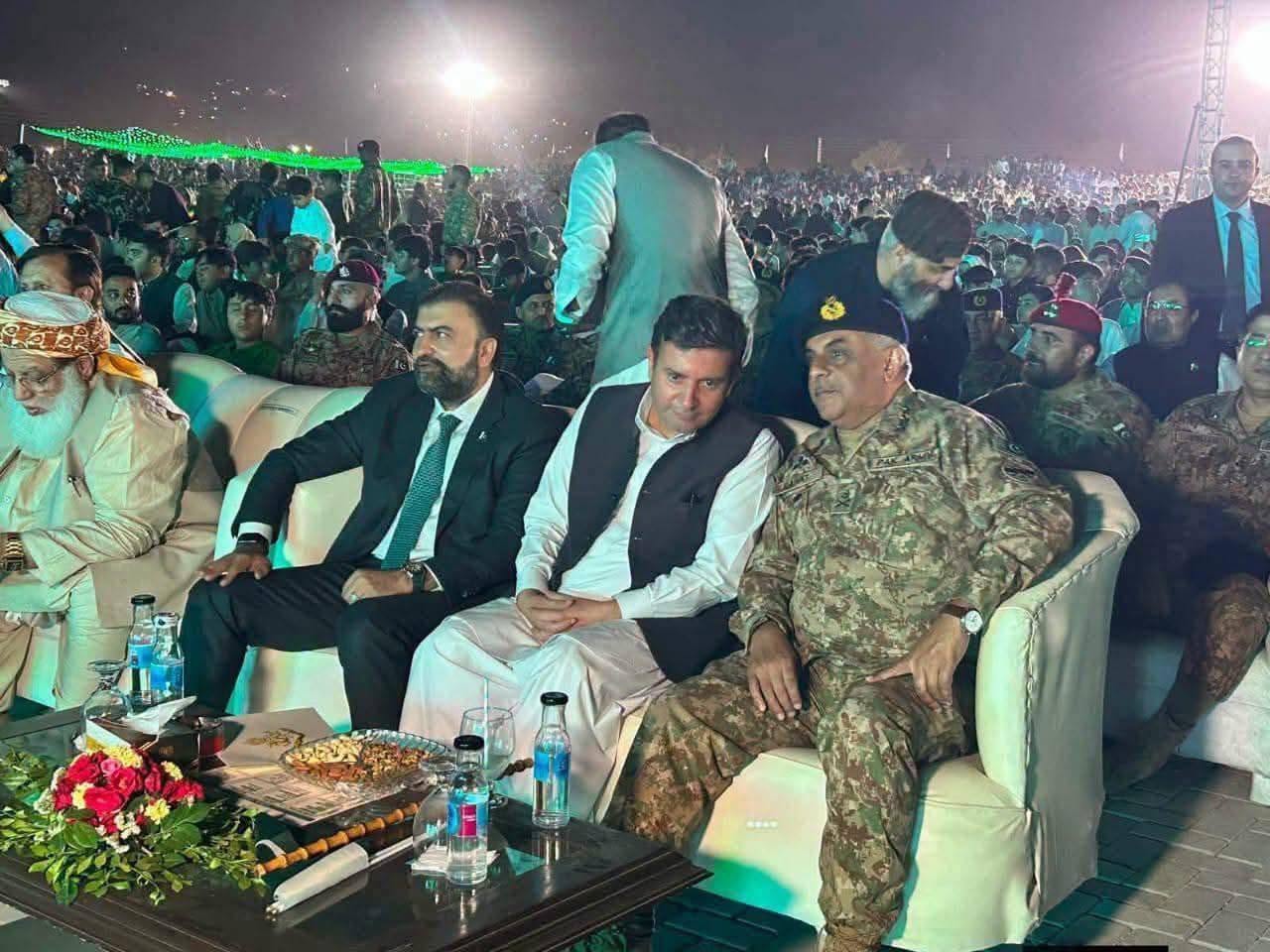
The provincial government, for its part, has failed to meet its own constitutional obligations. Enforcement of labour law is, in practice, non-existent. Mines are not regularly inspected. There is no emergency-response system worth the name in these districts.
Balochistan is rich in the minerals buried under its mountains, and desperately poor in justice for the men who dig them out.
What is needed is not complicated: a mandatory safety audit of every mine, registration of all of them, an insurance fund for workers, the revival of mining unions, and sustained scrutiny from the media and civil society.
The coal that comes out of Balochistan should not be stained with the blood of the men who mine it. Development that costs workers their lives is not development; it is exploitation.
The least these men are owed ,the men who go into the dark to bring up our light and our heat, is to be treated with dignity, and with justice. That reckoning is long overdue.
Comments
Leave a Comment
Your comment will be reviewed before it appears publicly.