Greater Balochistan desk
🇦🇫Afghan Balochistan
The smallest and least documented arm of Greater Balochistan — concentrated in Nimroz, Helmand, Kandahar and Farah, and largely absent from Afghan national politics.
The land
The Baloch of Afghanistan live mainly in the southwest: Nimroz province, which is the most identifiably Baloch of the thirty-four, along with the southern reaches of Helmand and Farah and pockets in Kandahar. This is the driest quarter of Afghanistan — the Registan and Dasht-e Margo deserts, the lower Helmand valley, and the Iranian border at Zaranj.
Zaranj, the capital of Nimroz, sits directly on the Iranian frontier opposite Milak and is the single busiest exit point from Afghanistan toward Iran. The Zaranj-Delaram highway, built with Indian funding, links it to the Afghan ring road and is the overland leg of the Chabahar transit route. What passes through Zaranj — goods, fuel, and very large numbers of people leaving for Iran — is a reliable index of conditions in the country as a whole.
The Helmand River is the region's defining resource and its defining dispute. It rises in the Hindu Kush, runs the length of the province and drains into the Hamun wetlands on the Iranian side. The Kamal Khan dam in Nimroz, inaugurated in 2021, and the older Kajaki works upstream give Kabul real control over that flow, and Iran has protested repeatedly that its entitlement under the 1973 Helmand River treaty is not being met. It is one of the few disputes in the region where the water, the border and the ethnic community all coincide.
The people and the culture
Afghanistan publishes no reliable ethnic census, and estimates of the Baloch population range from the low hundreds of thousands to over a million depending on whether Brahui speakers and long-settled communities in Kandahar and Farah are counted. Every figure in circulation is an estimate; this desk treats them as such and names the source.
Baloch communities here are surrounded by a Pashtun majority in Helmand and Kandahar and share Nimroz with Pashtun, Tajik and Brahui neighbours. Balochi is spoken alongside Dari and Pashto, and the language has no official status, no state-funded schooling and almost no broadcast presence — which is why documentation of this community is so thin and why oral tradition carries more of the culture here than print does.
Cross-border kinship is the ordinary condition of life. Families in Nimroz have relatives in Sistan and Baluchestan in Iran and in Chagai and Nushki in Pakistan; marriage, trade and seasonal work run across all three lines. Successive waves of Afghan Baloch have also moved into Pakistani Balochistan and into Iran, which is why any account of this community that stops at one border misses most of it.
The politics
Baloch representation in Afghan national politics has always been marginal. Under the republic there were occasional Baloch members of parliament and provincial officials; under the Taliban administration since 2021 the community's political voice has narrowed further, and Nimroz is governed as a peripheral province with little leverage in Kabul.
The issues that most affect the community are border issues. Chaman-Spin Boldak, the crossing between Balochistan and Kandahar, has closed repeatedly — over documentation requirements, fencing disputes and exchanges of fire — and each closure strands freight and daily-wage crossers on both sides. Zaranj-Milak governs movement toward Iran, and Iran's periodic mass deportations of Afghans push tens of thousands back through it.
Then there is migration itself. Nimroz is the assembly point for the overland route to Iran and onward to Turkey and Europe, and the province is where smuggling networks, border guards and returning deportees all intersect. Coverage of Afghan Balochistan is, to a significant degree, coverage of people in transit.
Places we cover
Latest reporting
Human Rights Abuses in Afghanistan Continue Four Years Into Taliban Rule
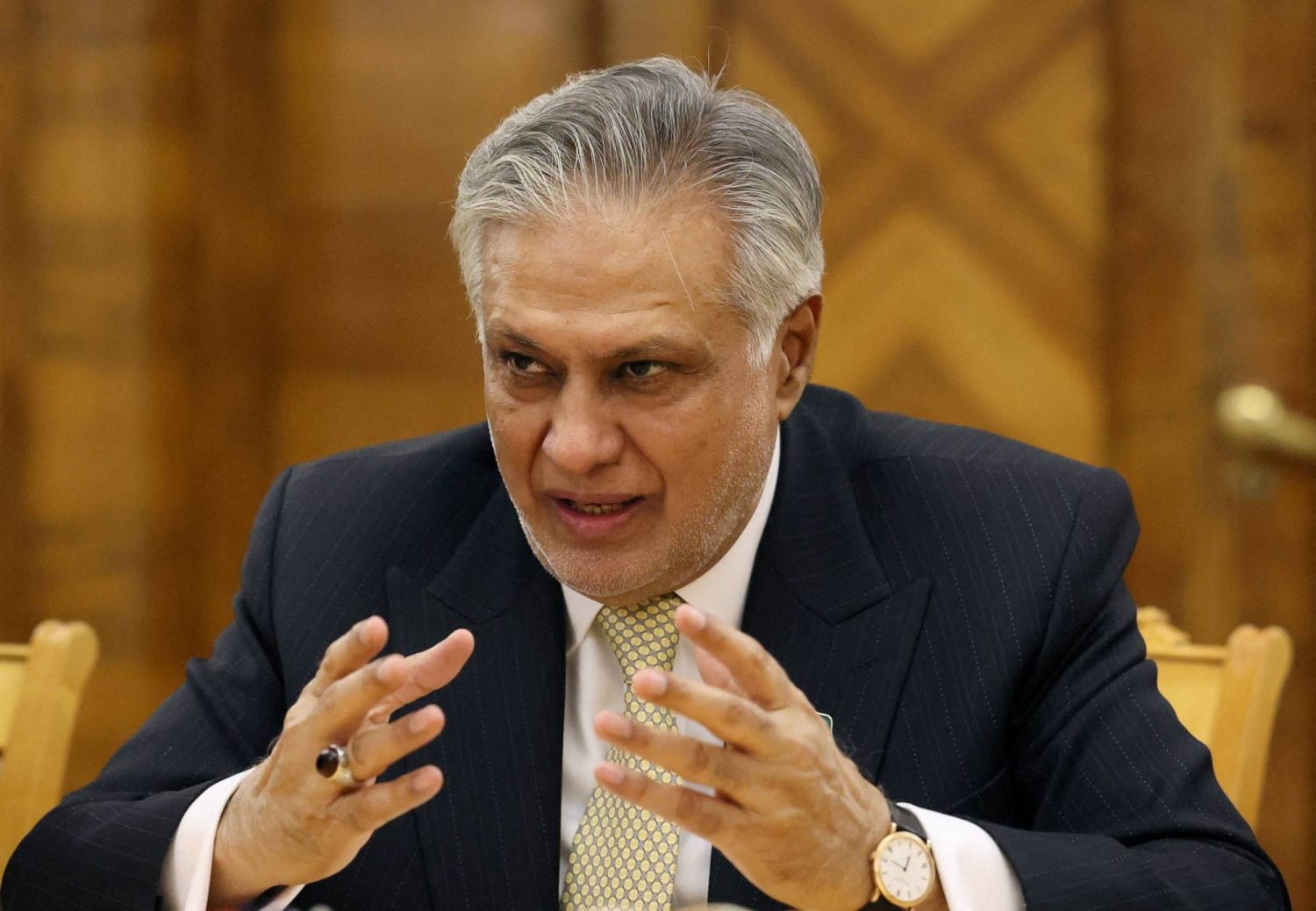
Dar Warns SCO Meeting: Afghan Soil Being Used Against Pakistan, Over 560 Attacks This Year
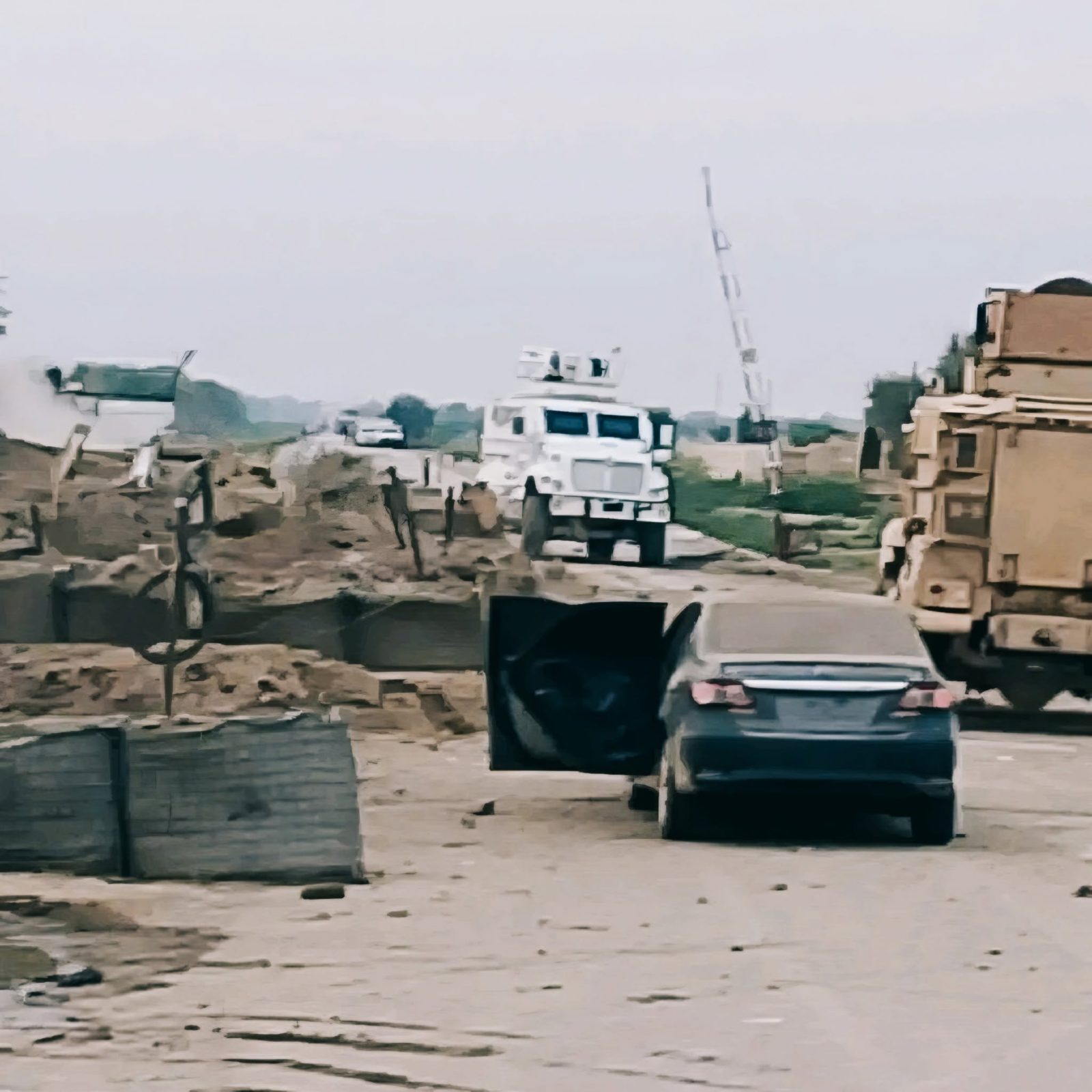
15 Martyred as Militants Storm Police Checkpost in Tank, KP
FIA Arrests 4, Including NADRA Officials, Over Fake CNICs for Afghan Nationals
Reported Drone Strike in Balochistan's Pishin Amid Pakistan-Afghanistan Border Escalation
Frequently asked
Where do the Baloch live in Afghanistan?
How many Baloch are there in Afghanistan?
What is the Helmand River dispute?
Why does Zaranj matter?
Schematic: relative position only. Not a boundary map.
Balochistan is a single historical and cultural region divided across three states — Pakistan, Iran and Afghanistan — with a long-settled community in Oman and the wider Gulf. Reporting only the Pakistani province means reporting one part of a story that does not stop at the line: the same families, the same language, the same drought and the same trade routes carry straight across it. These four desks exist so that coverage follows the region rather than the border. Population figures for the Baloch are contested — no state publishes an ethnic count — so numbers here are either official census figures with their source named, or explicitly labelled estimates.