Greater Balochistan desk
🇵🇰Pakistani Balochistan
The largest province of Pakistan by area and the smallest by population and the part of Balochistan this newsroom reports from.
The land
Pakistani Balochistan covers about 347,000 square kilometres — close to 44 per cent of Pakistan's land area — and holds the smallest share of its population: 14.9 million people at the 2023 census, spread thinly across mountain, desert and a 750-kilometre Arabian Sea coastline. That ratio explains most of what follows. A province this large and this empty is expensive to govern, expensive to police, and easy to overlook from Islamabad.
The land divides into three broad zones. The northern and central uplands Quetta, Ziarat, Kalat, Khuzdar, Zhob are cold, mountainous and where most of the population lives. The west is the Chagai desert and the Kharan basin, dry country that holds the Reko Diq and Saindak copper-gold deposits. The south is Makran: Kech, Panjgur, Awaran and the coastal belt through Gwadar, Pasni, Ormara and Jiwani, where fishing has been the economy for as long as there has been one.
Water is the binding constraint. Balochistan has no major perennial river of its own; it lives on flash floods, karez tunnels and a groundwater table that has been dropping for decades. Quetta's aquifer is among the most stressed urban water sources in the country. When the monsoon fails the province has almost no buffer, and when it does not fail — 2022 — the same dry riverbeds carry the flood.
The people and the culture
Balochi and Brahui are the languages of the west and centre, Pashto of the north around Quetta, Zhob, Pishin and Chaman, with Sindhi and Saraiki along the eastern plains and Persian spoken in border communities. Brahui is the outlier and the interesting one: a Dravidian language, related to Tamil and Telugu rather than to anything else spoken within a thousand miles of it, and a live argument in the study of how South Asia was populated.
Tribal structure still organises much of rural life the Bugti, Marri, Mengal, Rind, Bizenjo, Zehri, Raisani and dozens of smaller lineages and it sits alongside, not underneath, the formal machinery of provincial government. Understanding who speaks for a valley usually means understanding both.
The cultural output is substantial and under-covered: Balochi classical poetry and the epic tradition, the suroz and benju, Mast Tawakali and Gul Khan Naseer, the Balochi and Brahui literary movements of the twentieth century, and a contemporary music and publishing scene that runs largely on its own funding.
The politics
Balochistan sends 65 members to its provincial assembly and 20 to the National Assembly — a small delegation for a province this size, and a standing grievance. Provincial politics runs through nationalist parties (the Balochistan National Party, the National Party), religious parties with strength in the Pashtun north (JUI-F), and the national parties that form governments in Islamabad.
Two issues dominate coverage and have for two decades. The first is the insurgency and the state's response to it armed attacks on security forces, infrastructure and non-local workers, and the operations that follow. The second is enforced disappearance: people detained without acknowledgement, whose families then spend years at commissions, courts and sit-ins. Pakistan's own Commission of Inquiry on Enforced Disappearances records thousands of cases nationally; Baloch rights organisations say the figures for Balochistan are substantially understated. Both of those claims are reported here, attributed.
The third strand is resources. Sui gas has been extracted from Dera Bugti since 1952. Saindak and Reko Diq are among the largest undeveloped copper-gold deposits in the world. Gwadar is the terminus of the China-Pakistan Economic Corridor. The recurring political question in all three is the same: what share of the value stays in the province, and who decides.
Places we cover
Latest reporting
Unidentified Gunmen Kill One in Tump's Nazarabad Area
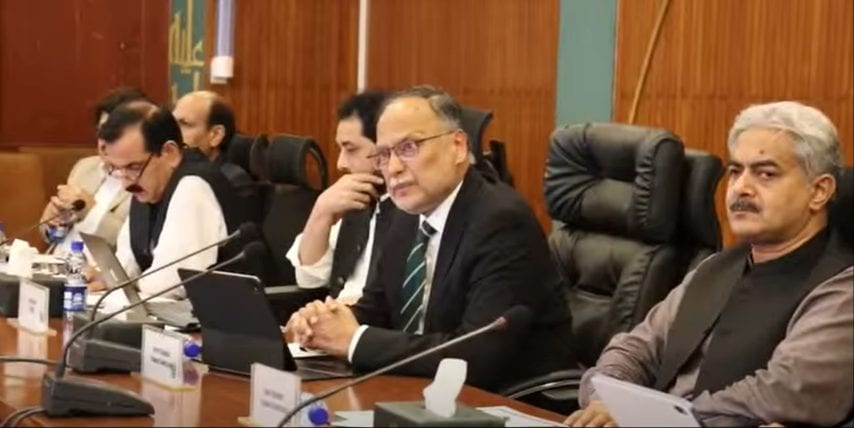
CDWP Approves Rs23.82 Billion Mirani Dam Water Supply Project for Gwadar
9 Killed, 4 Injured in Two Separate Road Accidents in Panjgur and Washuk
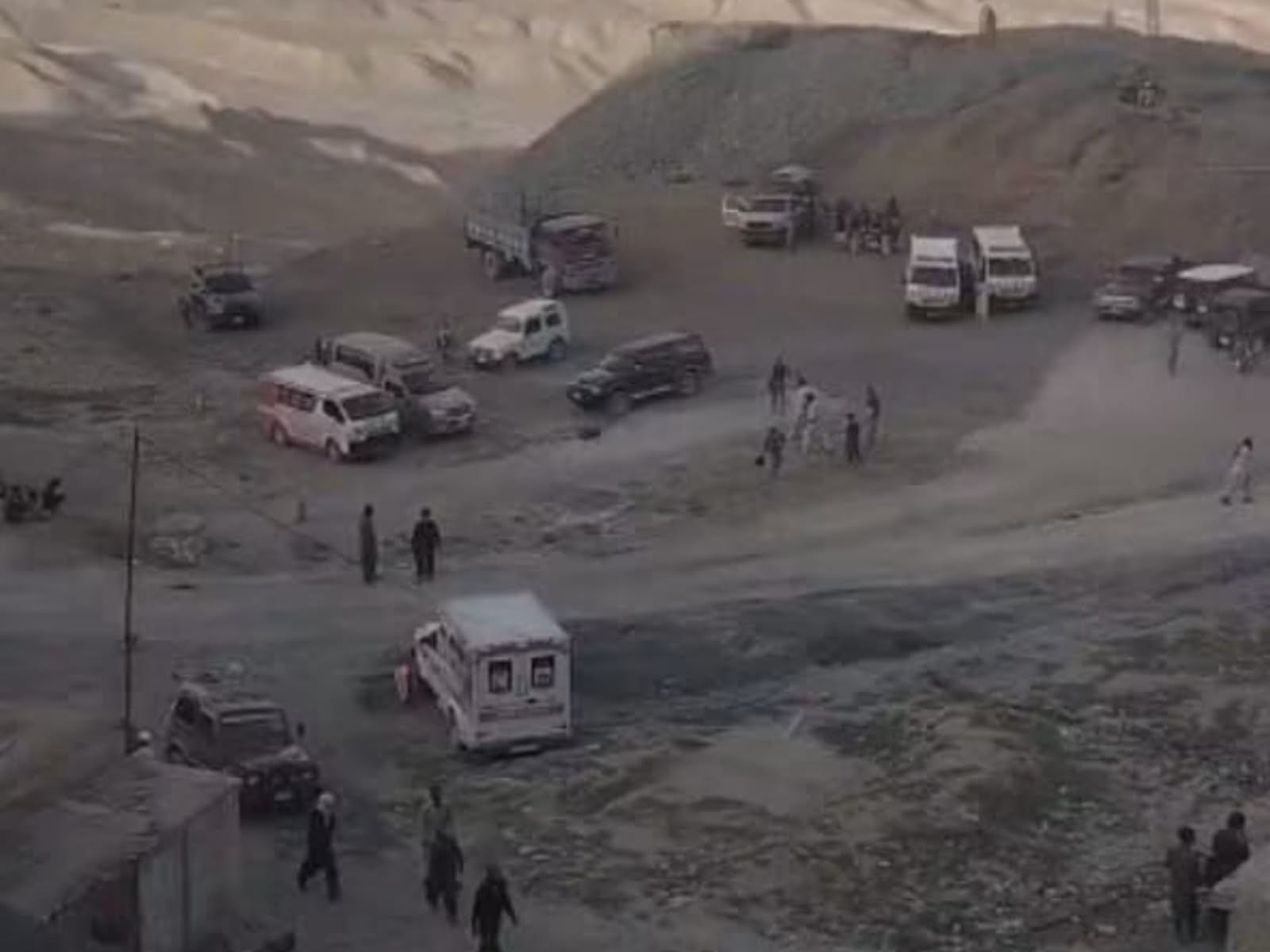
Toxic Gas Kills Two Labourers, Leaves Four Unconscious in Duki Coal Mine
National Party Welcomes NADRA Move to Block CNICs Issued to Afghan, Hazara Refugees
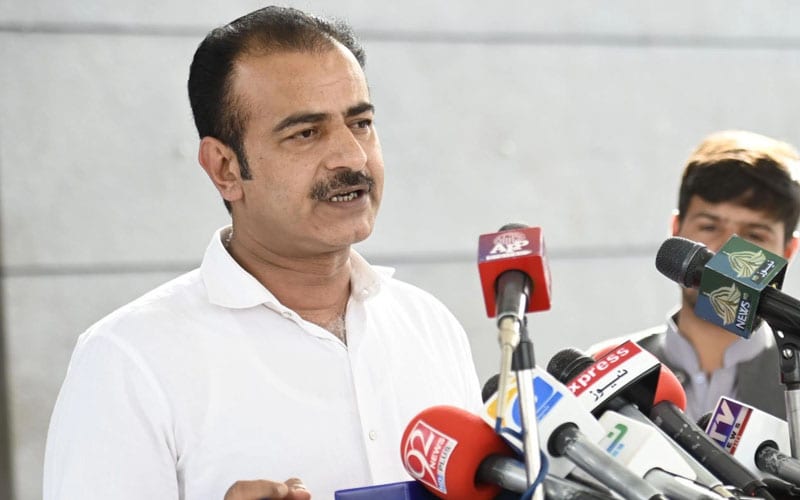
Shahid Rind Praises Security Forces Over Anti-Militancy Operations in Balochistan
Woman, Man Shot Dead in Usta Muhammad; Police Suspect Honor Killing
Man Shot Dead in Targeted Attack Near Zor Market, Turbat
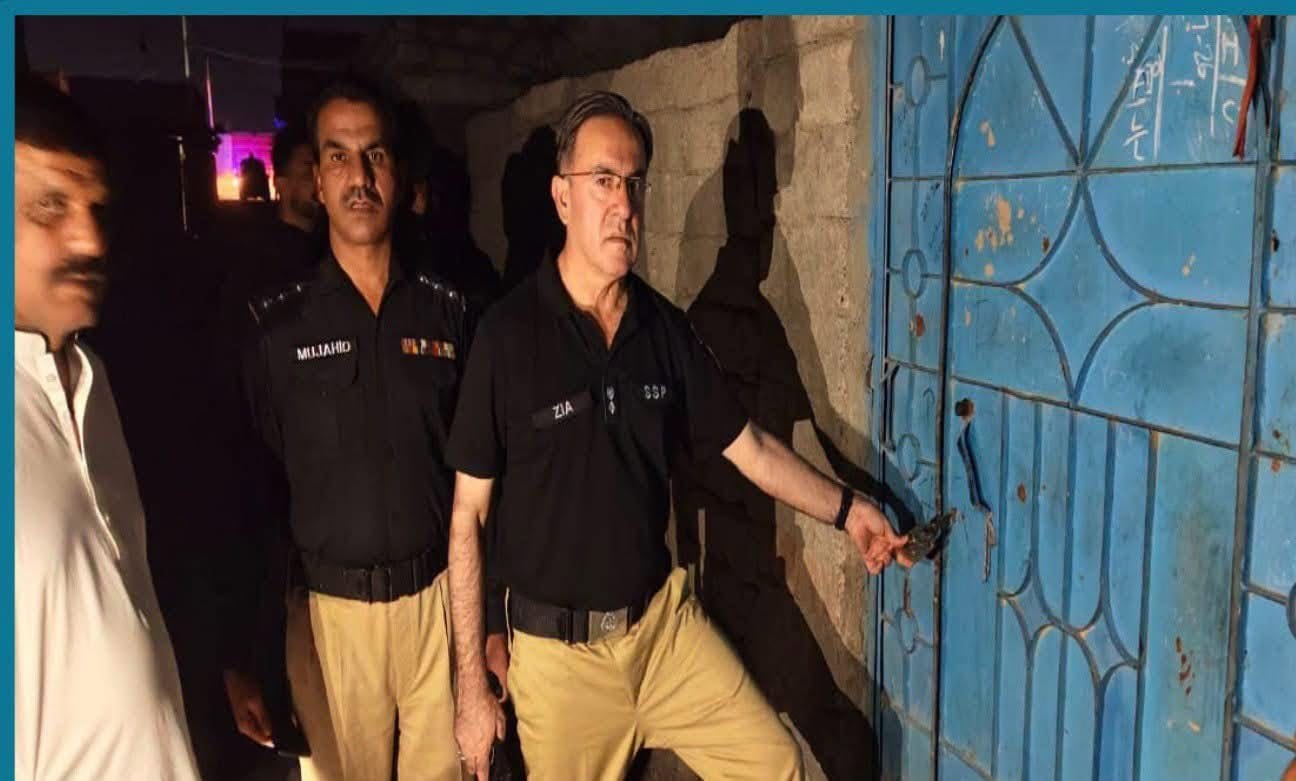
Quetta Woman's Kidnapping Case: Police Arrest Four Suspects
Judicial Commission Formed to Probe Managi Dam Attack in Ziarat
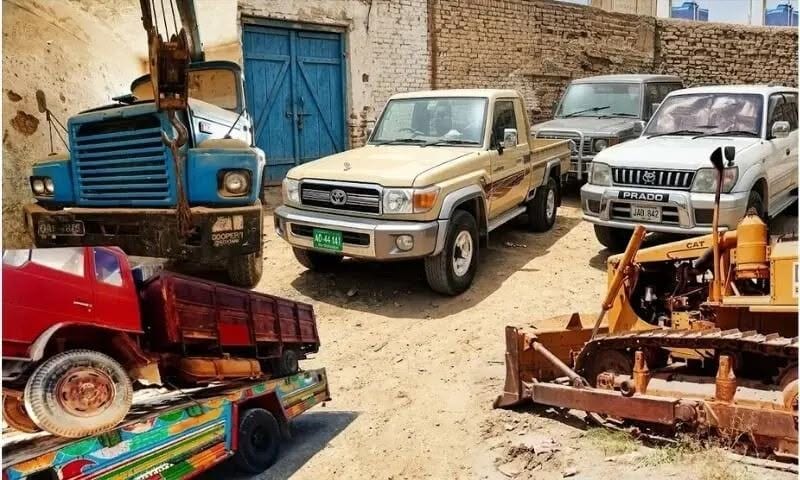
ACE Arrests Logistician as Billions in Irrigation Department Embezzlement Surface
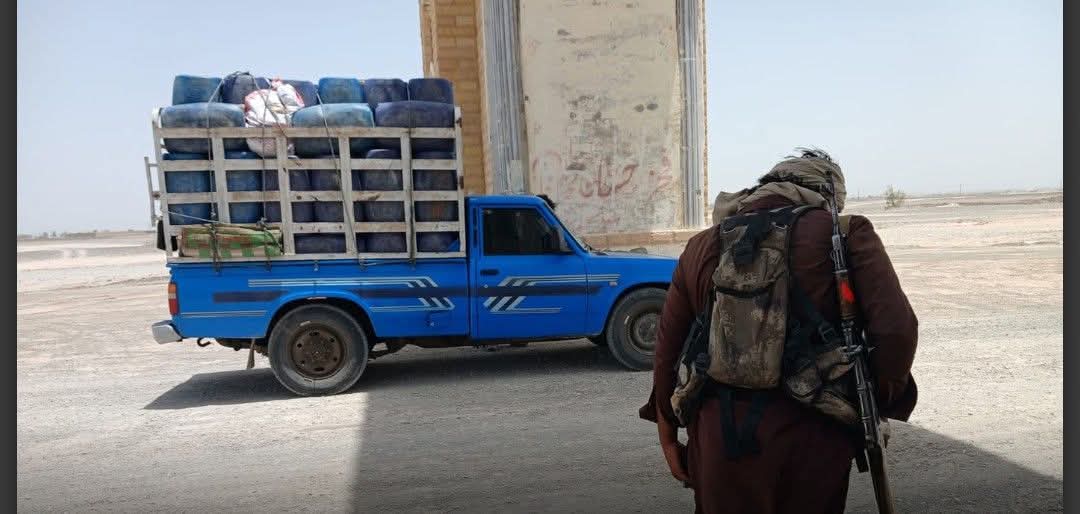
Armed Men Set Up Roadblocks Near Surab and Basima, Clashes Reported
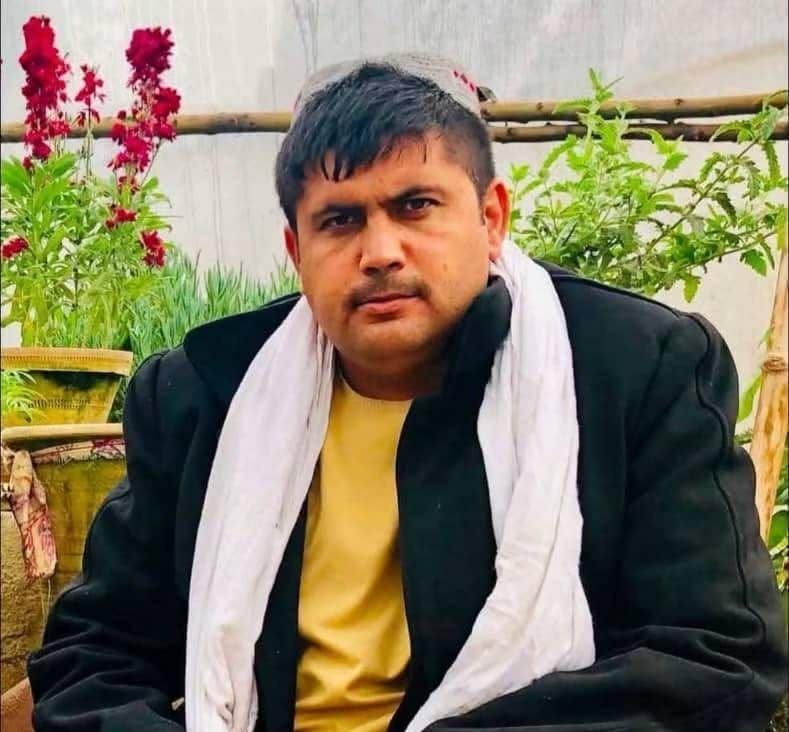
Hanna Orak Blast: Two Killed, Two Injured in Explosion
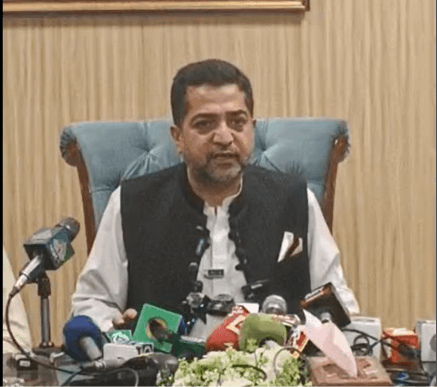
Home Minister's Convoy Attacked in Mastung, Five Personnel Injured: Langove
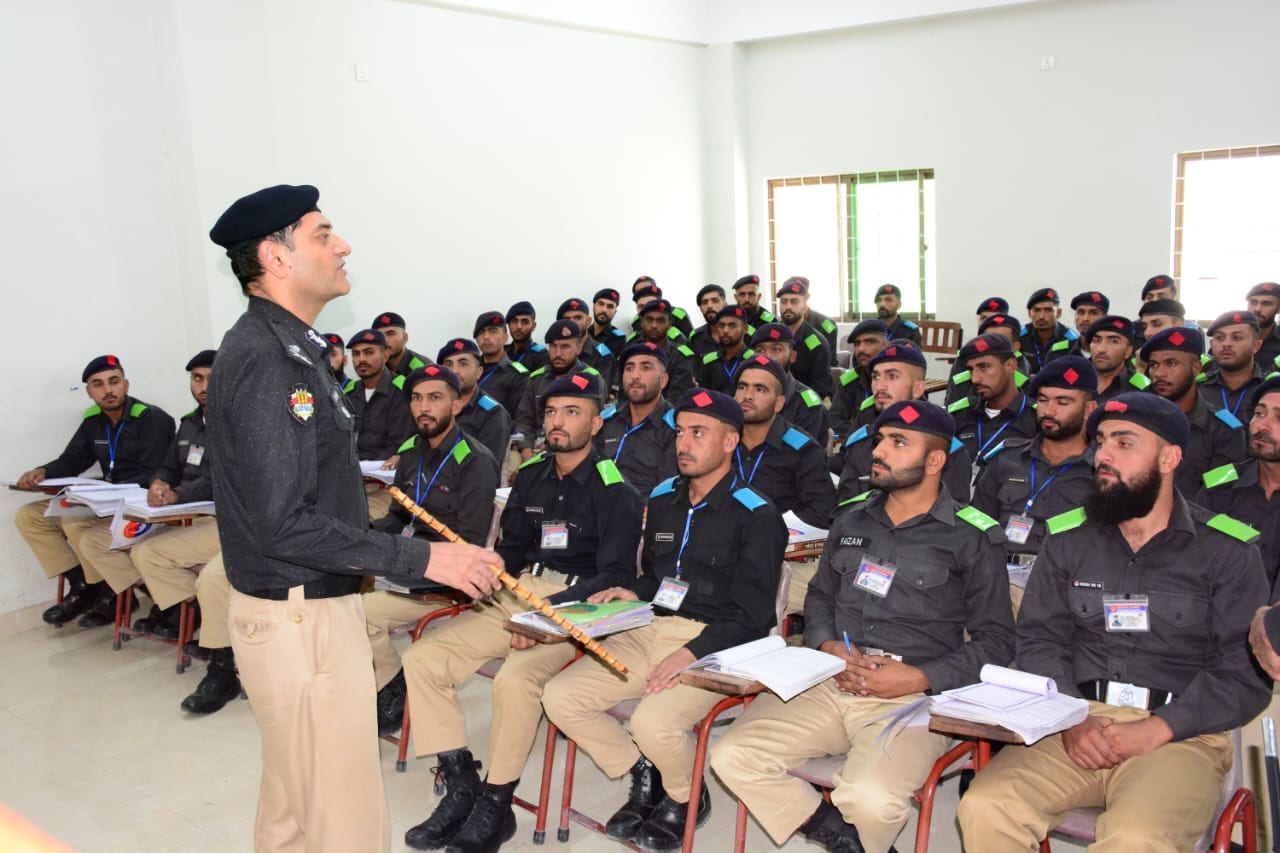
Balochistan Police Resumes Constable Recruitment
Kambari Bridge in Dhadar Hit by Second Blast
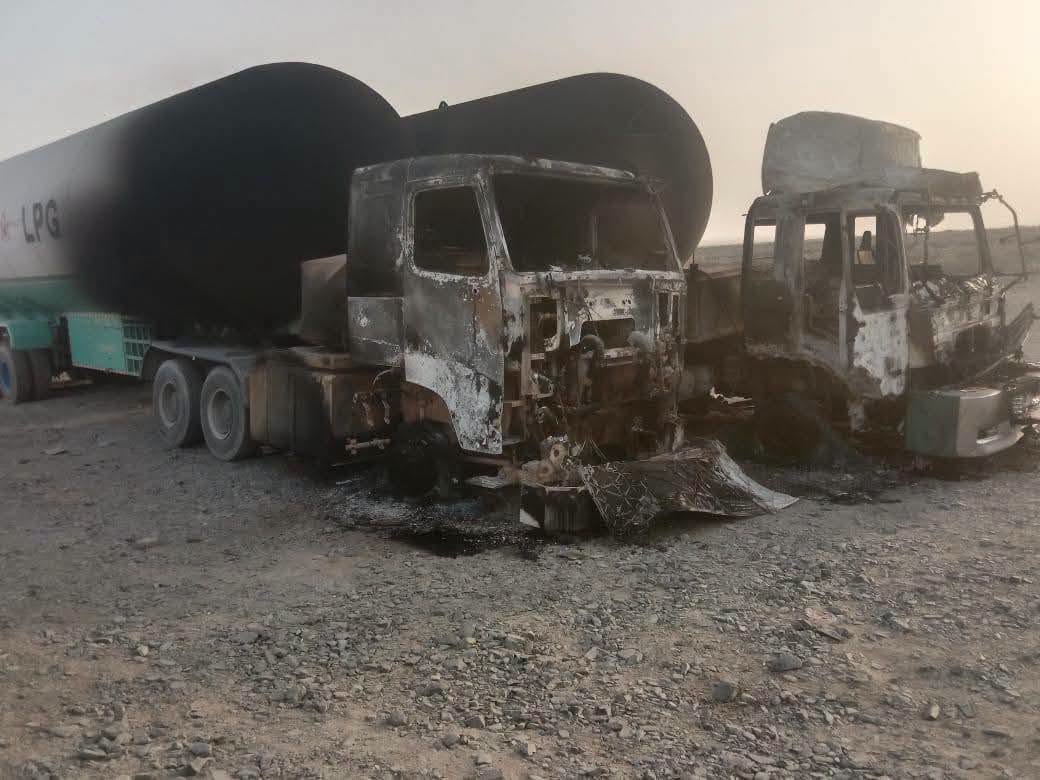
Gunmen Torch Three Vehicles on Quetta-Taftan Highway
IED Blast in Turbat Targets Security Convoy, Several Passers-by Injured
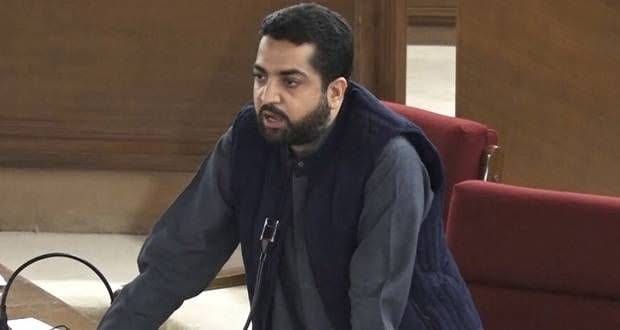
Balochistan Home Minister’s Convoy under attack in Mastung; Five Security Personnel Wounded
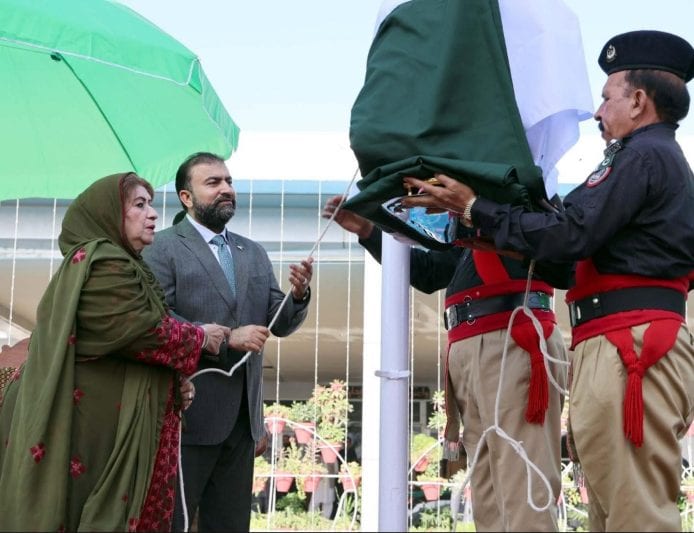
Balochistan CM Sarfraz Bugti Reaffirms Unity, Rules Out Talks with Militants on 79th Independence Day
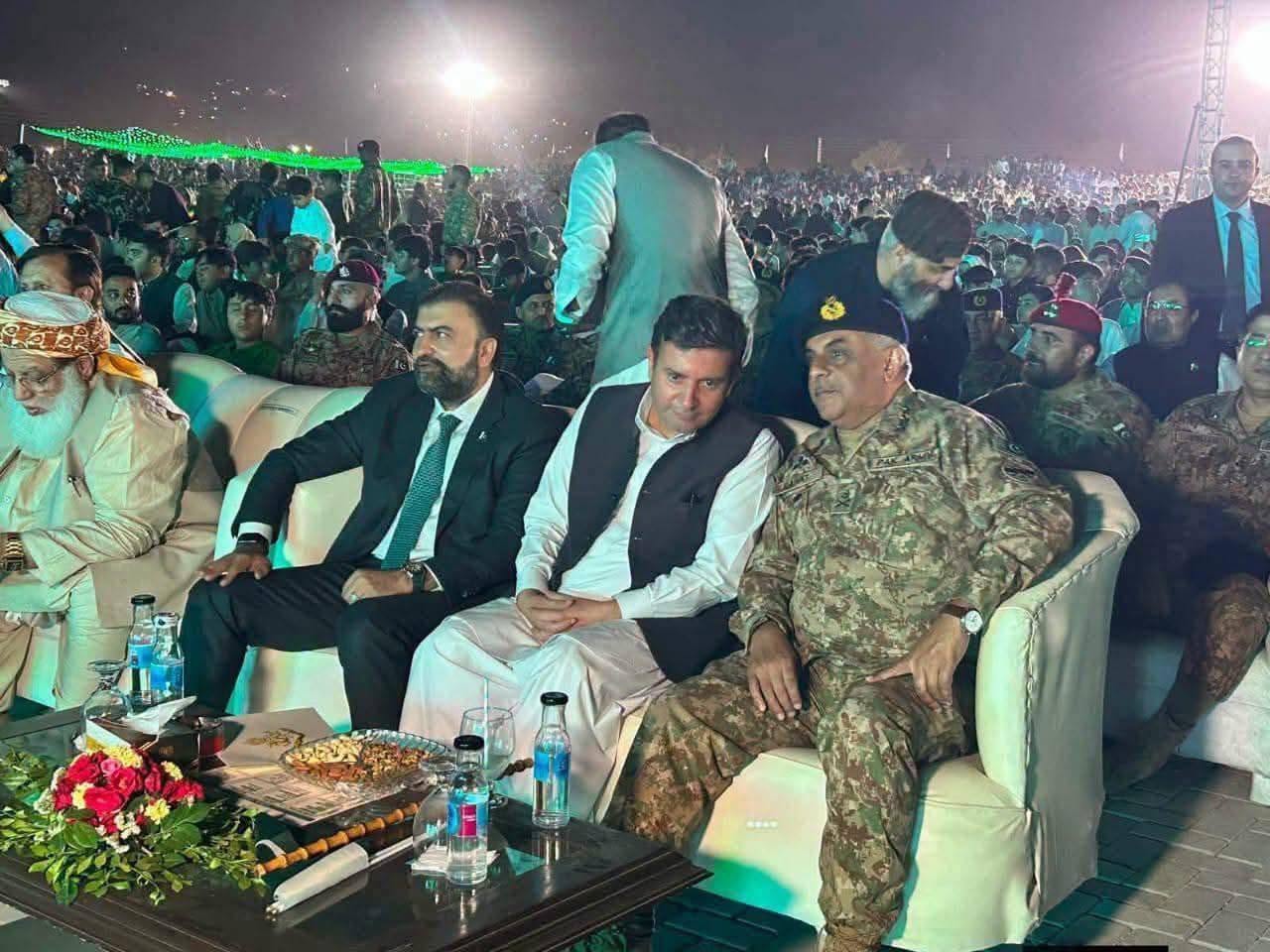
CM Bugti Offers Amnesty to Militants on Independence Day
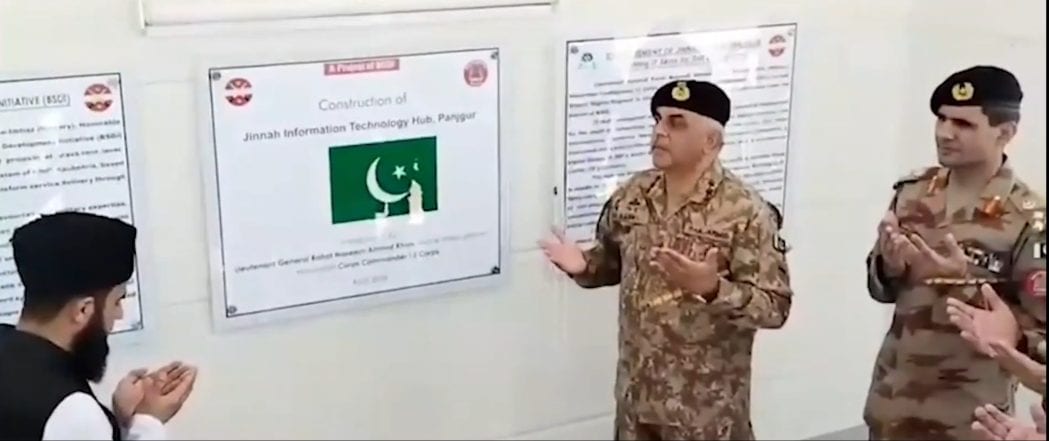
Panjgur Gets New IT Hub, University Facilities as Corps Commander Visits
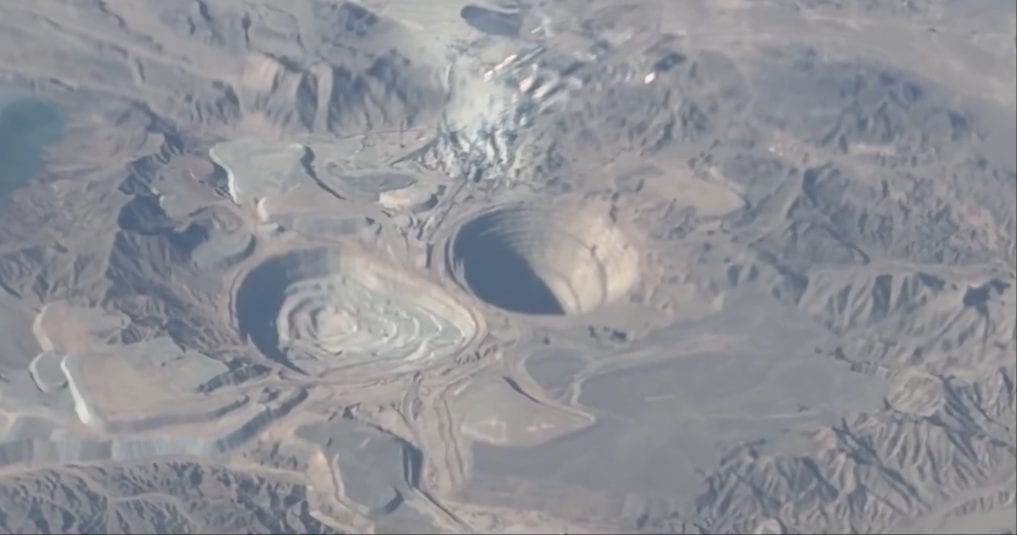
Armed Raiders Abduct 7 Miners in Chagai, Balochistan
President Zardari, PM Shehbaz Mourn Death of Former Chinese Premier Zhu Rongji
Frequently asked
How big is Balochistan and how many people live there?
What languages are spoken in Balochistan?
Why is Balochistan so often in the news over resources?
What is CPEC's role in Balochistan?
Schematic: relative position only. Not a boundary map.
Balochistan is a single historical and cultural region divided across three states — Pakistan, Iran and Afghanistan — with a long-settled community in Oman and the wider Gulf. Reporting only the Pakistani province means reporting one part of a story that does not stop at the line: the same families, the same language, the same drought and the same trade routes carry straight across it. These four desks exist so that coverage follows the region rather than the border. Population figures for the Baloch are contested — no state publishes an ethnic count — so numbers here are either official census figures with their source named, or explicitly labelled estimates.