Greater Balochistan desk
🇮🇷Iranian Balochistan
Sistan and Baluchestan — Iran's second-largest province, its poorest by most measures, and home to the largest Baloch population outside Pakistan.
The land
Iranian Balochistan is the southeastern corner of Iran, administered as the province of Sistan and Baluchestan: about 181,000 square kilometres running from the Afghan border in the north to the Gulf of Oman in the south. The name is a compound of two very different places. Sistan, in the north around Zabol, is the delta of the Helmand River and the Hamun wetlands. Baluchestan is everything south of it — desert, the Taftan volcano, the Makran ranges, and a coastline facing the open Indian Ocean.
The Hamun basin is the region's environmental emergency. The wetlands are fed by the Helmand, which rises in Afghanistan, and they have repeatedly dried to bare pan as upstream use and drought have cut the flow. What follows is the "120-day wind" lifting the dry lakebed into dust storms that have made parts of Sistan close to uninhabitable and pushed thousands of families south and west. Water-sharing on the Helmand is a live dispute between Tehran and Kabul under a 1973 treaty that has never worked smoothly.
The southern coast is the counterweight. Chabahar — Iran's only oceanic port, outside the Strait of Hormuz — has been developed with Indian involvement at the Shahid Beheshti terminal and is positioned as a transit route toward Afghanistan and Central Asia. It sits roughly 170 kilometres west of Gwadar, and the two ports are routinely written about as rivals; the more accurate description is two ports on the same coast with different backers.
The people and the culture
The province had about 2.9 million residents at Iran's 2016 census, the large majority of them Baloch. It is the demographic mirror of the Pakistani province — the same language, the same tribal names across the line, families that hold identity documents from both states.
The defining social fact is that the Baloch of Iran are overwhelmingly Sunni in a Shia-majority state, which layers religious minority status on top of ethnic minority status. Zahedan's Makki Mosque is the largest Sunni mosque in Iran, and its Friday prayer leader, Molavi Abdolhamid, has become the most prominent Sunni religious voice in the country — and one of the few figures inside Iran to speak publicly and repeatedly about the province's treatment.
Balochi here is written in a Perso-Arabic script and carries heavy Persian borrowing; Sistani Persian dominates the north. The province consistently records the country's weakest development indicators — literacy, infant mortality, access to piped water, and a large population of children without birth registration, which locks them out of school and healthcare.
The politics
Coverage of Iranian Balochistan turns on four recurring subjects. The first is the border economy: with formal employment scarce, thousands of men work as sookhtbar — fuel carriers — moving subsidised Iranian petrol and diesel across to Pakistan and Afghanistan in modified vehicles. It is semi-tolerated, periodically shot at, and for many families the only income.
The second is protest and its suppression. The killings in Zahedan on 30 September 2022 — "Bloody Friday" — during the nationwide Mahsa Amini protests left dozens dead by the count of human-rights organisations, and Zahedan has held weekly Friday demonstrations since. The third is executions: Iranian and international rights groups consistently report that Baloch prisoners account for a share of annual executions far out of proportion to the community's share of the population, mostly on drug charges.
The fourth is armed opposition and the border itself — Jaish al-Adl and its predecessors operating in the frontier districts, cross-border strikes between Iran and Pakistan in January 2024, and the near-permanent security posture around Mirjaveh, Saravan and Sarbaz. Iran and Pakistan share a 900-kilometre border here, formally at Mirjaveh-Taftan, and it is simultaneously a trade artery, a pilgrimage route to the shrines in Iran and Iraq, and a smuggling corridor.
Places we cover
Latest reporting
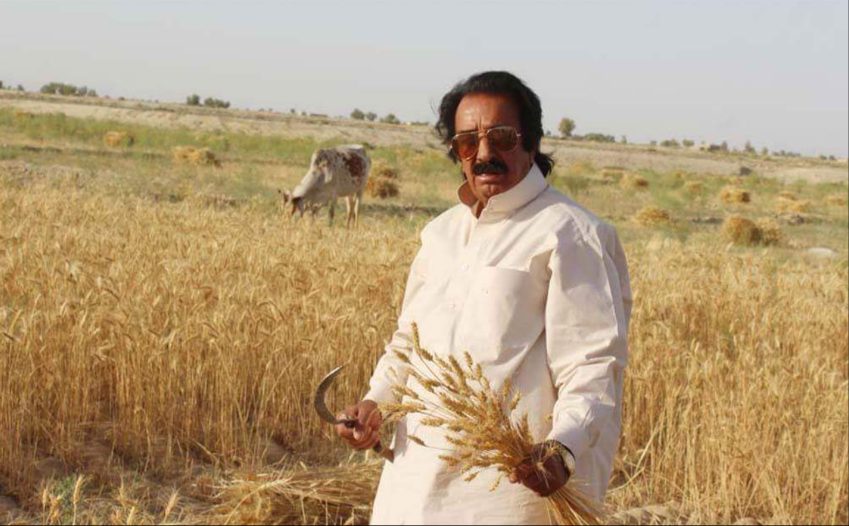
Revive Agriculture and Border Trade to Fix Balochistan Jobs, Says Noshirwani
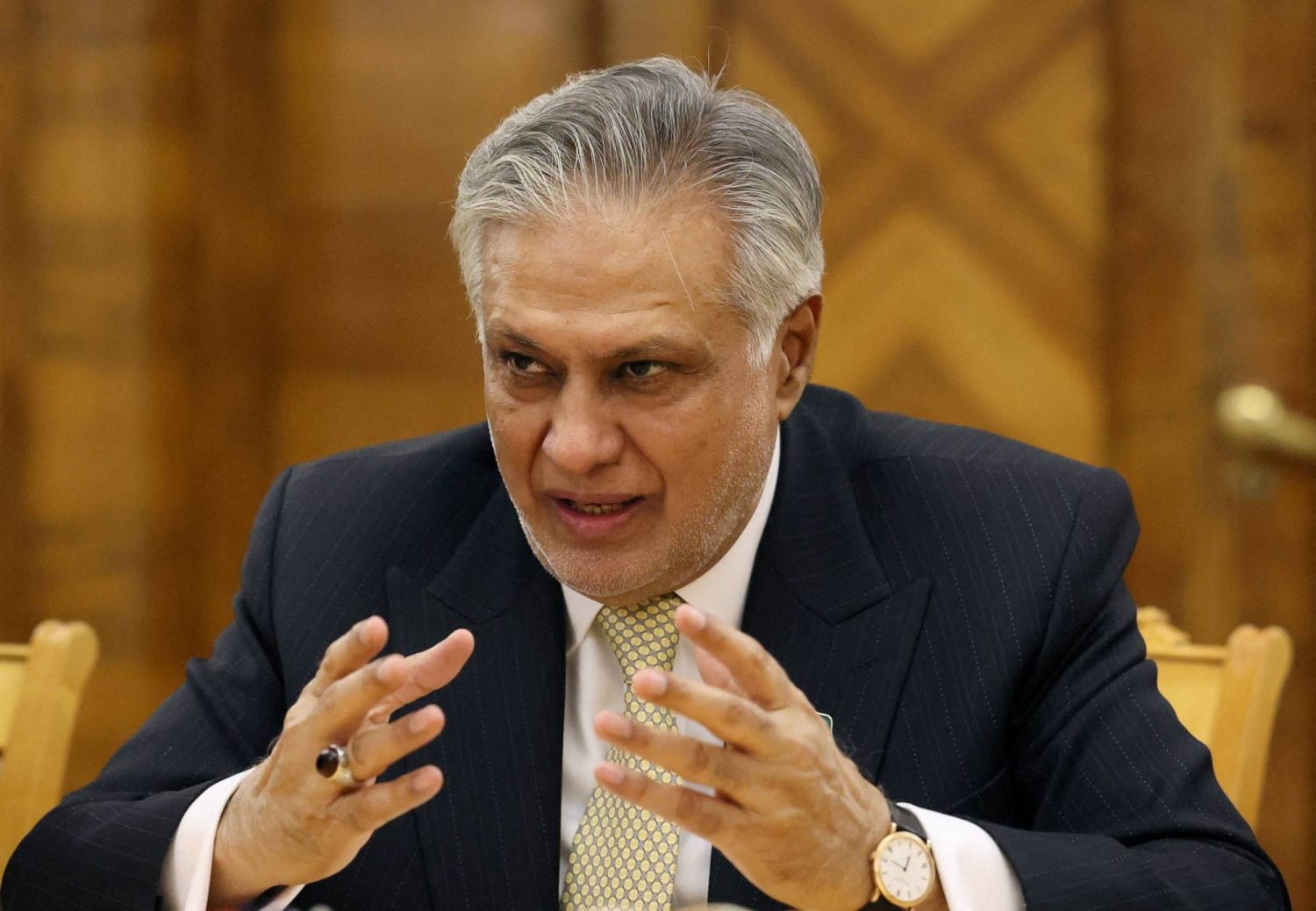
Dar Warns SCO Meeting: Afghan Soil Being Used Against Pakistan, Over 560 Attacks This Year
UK Approves Bases for US as Iran Claims Kuwait Strike
US Seeks $87bn More in Defense Funds Amid Iran Tensions
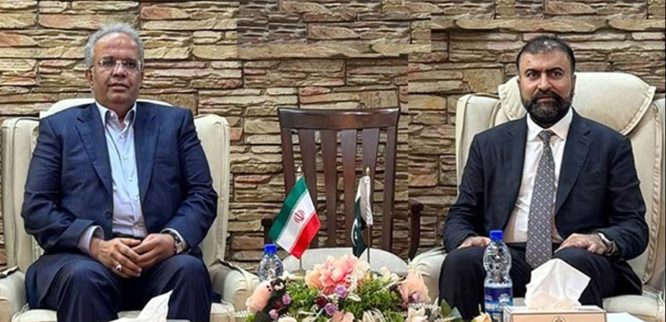
Bugti, Iranian Governor Agree to Raise Pakistan-Iran Trade to $10bn
Balochistan Cannot Be Viewed in Isolation from Regional and Global Developments
Border Closures Leave 2.5 Million Baloch Without Livelihoods, Warns National Party's Malik Baloch
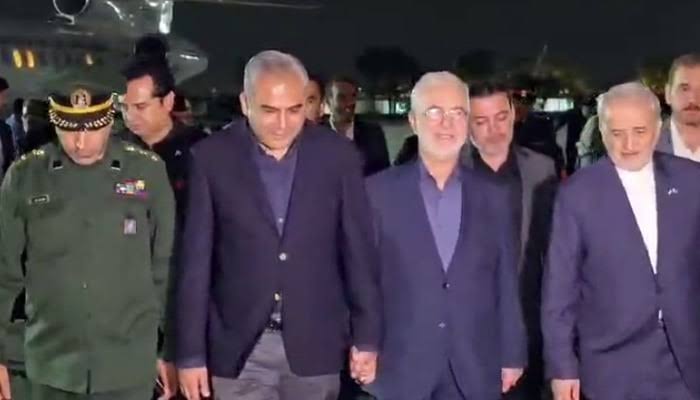
Iran's Interior Minister Eskandar Momeni Arrives in Islamabad on Official Visit
Armed Men Abduct Three Excise Officials at Check Post Near Dalbandin
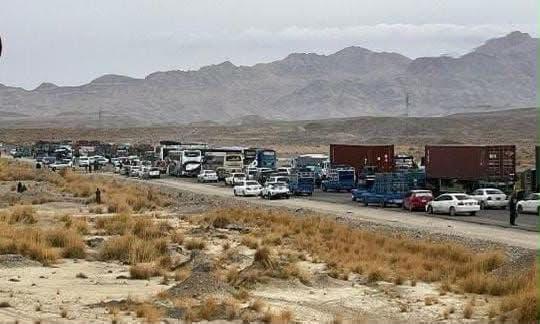
Balochistan Highways Disrupted
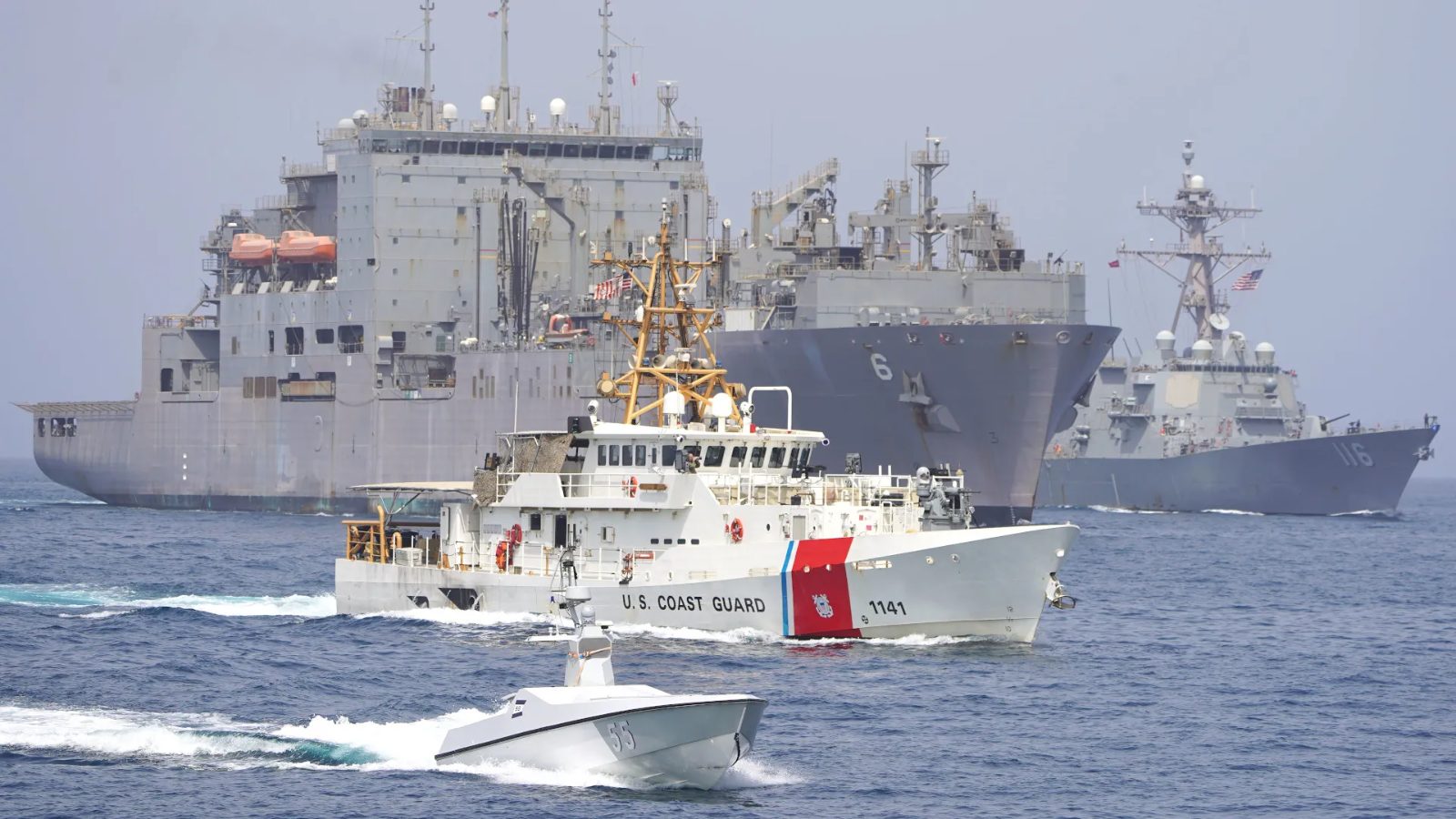
US Reimposes Naval Blockade on Iranian Ports as Strikes Enter Fourth Night
A War That Outgrew Its Authors
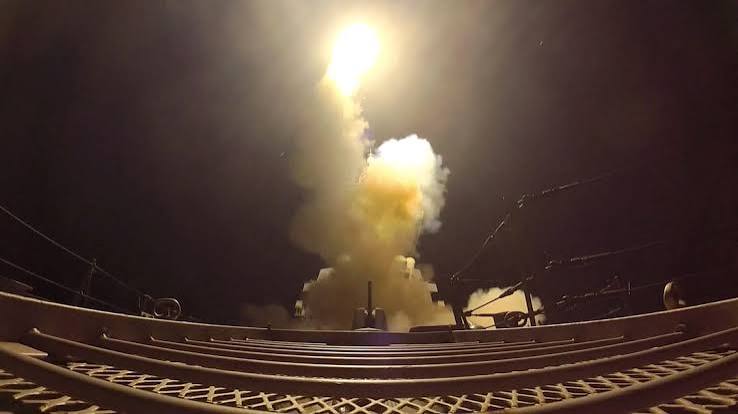
US-Iran Ceasefire Unravels: Third Day of Strikes Over Strait of Hormuz Rattles Gulf, Oil Markets
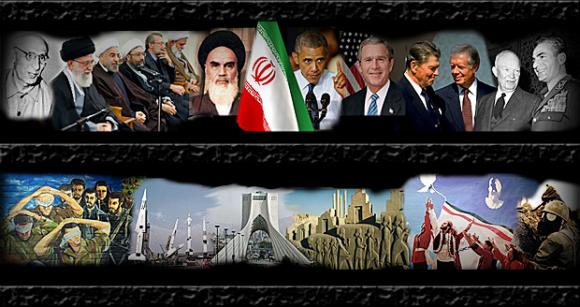
US-Iran Relations: From the 1953 Coup to Trump’s Strikes
Frequently asked
Which part of Iran is Balochistan?
How many Baloch live in Iran?
Why is the Sunni-Shia distinction significant there?
What is the Chabahar-Gwadar relationship?
What is the Hamun crisis?
Schematic: relative position only. Not a boundary map.
Balochistan is a single historical and cultural region divided across three states — Pakistan, Iran and Afghanistan — with a long-settled community in Oman and the wider Gulf. Reporting only the Pakistani province means reporting one part of a story that does not stop at the line: the same families, the same language, the same drought and the same trade routes carry straight across it. These four desks exist so that coverage follows the region rather than the border. Population figures for the Baloch are contested — no state publishes an ethnic count — so numbers here are either official census figures with their source named, or explicitly labelled estimates.