Greater Balochistan desk
🇴🇲The Baloch of Oman and the Gulf
Not a recent migration. The Baloch presence on the Omani coast predates the borders that now divide Balochistan — and Gwadar itself was Omani territory until 1958.
The land
The Gulf of Oman is narrow. From the Makran coast to the Omani shore is a short sail, and it has been sailed continuously for centuries — which is why the Baloch are not a diaspora in Oman in the way they are in Europe or North America. They are one of the country's established communities, present in Muscat, Muttrah, the Al Batinah coast north toward Sohar and Shinas, and in Salalah to the south.
The hinge of the shared history is Gwadar. In 1783 the ruler of Kalat granted Gwadar to a member of the Omani royal family, and it stayed under Omani sovereignty for 175 years — governed from Muscat, administered as Omani territory — until Pakistan purchased it on 8 September 1958. That is not distant background. It is why families on both coasts hold the same names, why the dialect on the Batinah coast carries Makrani forms, and why Gwadar's older architecture reads as Omani.
Baloch also settled through the wider Gulf — the United Arab Emirates, Qatar, Kuwait and Bahrain — in a second and much larger wave that followed the oil economy from the 1960s onward. That wave is still moving: labour migration from Makran and from Iranian Balochistan to the Gulf remains one of the most important economic facts of coastal Balochistan, and remittances from it sustain whole districts.
The people and the culture
Al-Balushi is among the most common surnames in Oman, and Baloch Omanis are found across the professions, in business and historically in the armed forces and the royal household guard. Population estimates vary considerably and no ethnic census is published; figures in the hundreds of thousands are widely cited, and this desk treats them as estimates rather than counts.
The community is layered rather than uniform. There are families settled for many generations who are Omani in every respect and for whom Baloch identity is ancestral; there are Gwadar-connected families whose ties date to the period of Omani rule; and there are recent labour migrants from Pakistani and Iranian Balochistan on work contracts, whose position is entirely different. Reporting that flattens those three into one "Baloch community" gets the story wrong.
Culturally the Gulf is where a great deal of Balochi music, poetry and publishing has actually been sustained — often with more freedom and more funding than at home. Balochi-language radio, recording, wedding-circuit musicians and literary associations across Oman and the UAE have kept forms alive that were under pressure elsewhere, and the traffic runs both ways.
The politics
This desk covers the Gulf as a Baloch story, which means labour and status more than electoral politics. The recurring subjects are work and its conditions: recruitment from Makran and Sistan-Baluchestan, the kafala-derived sponsorship systems and how they have been reformed, wage disputes, deaths on site, and the repatriation of bodies — a routine, under-reported feature of life in the coastal districts that send workers.
Remittances are the other half. Money moving from the Gulf back to Kech, Gwadar, Panjgur and Chabahar is, for many households, a larger and steadier income than anything available locally, and the channels it moves through — formal transfer and hundi alike — are periodically squeezed by regulation on both ends.
Citizenship and documentation form a third strand: long-settled families with secure nationality on one side, and on the other, workers and their children whose status is tied to a sponsor. And there is the diplomacy — Oman has an unusual position as the Gulf state that talks to everyone, including Tehran, and its relationships along both shores of this coastline matter to Balochistan on all three of its sides.
Places we cover
Latest reporting

Balochistan's first woman mountaineer feted in Quetta

UK Approves Bases for US as Iran Claims Kuwait Strike
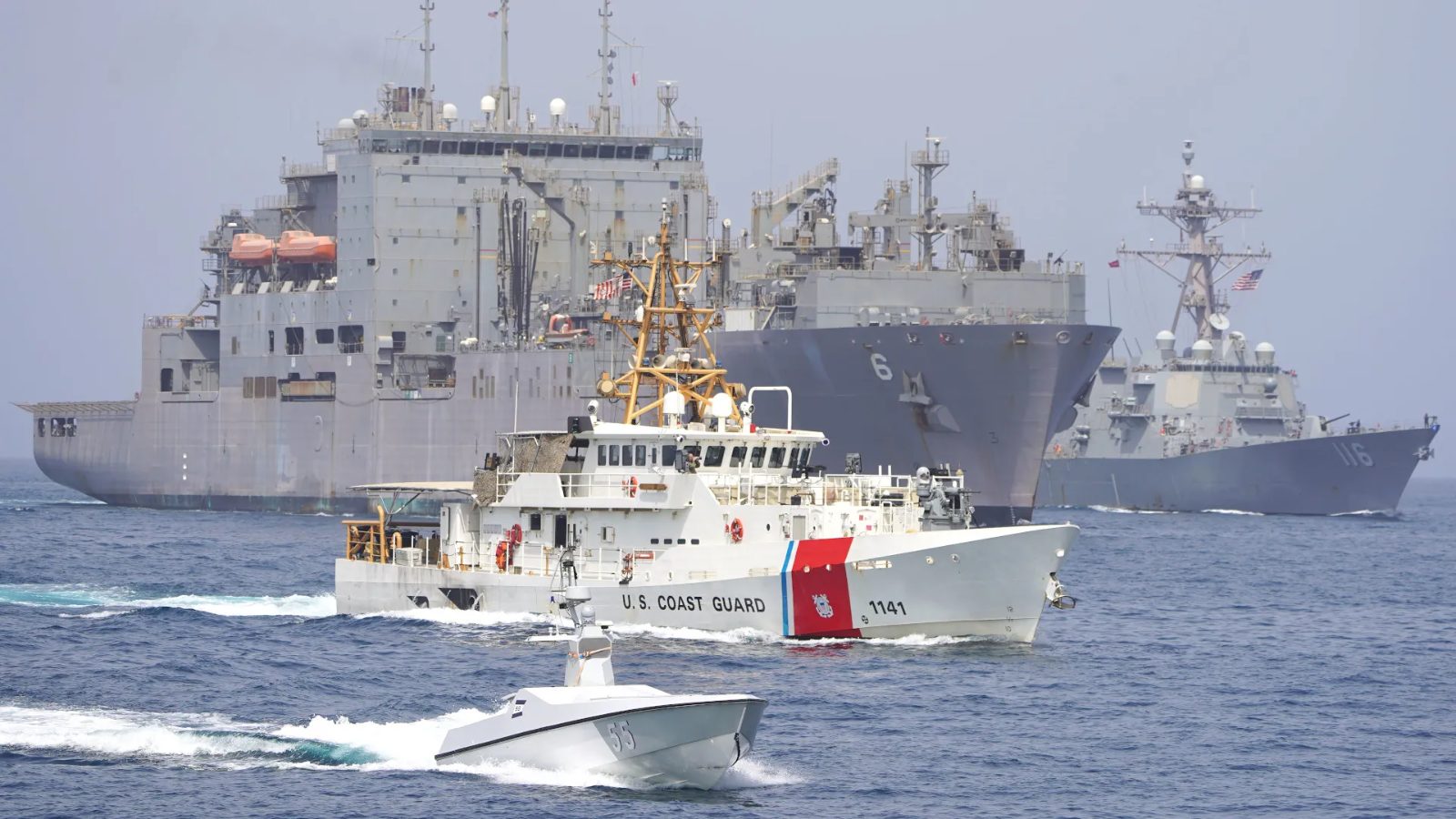
US Reimposes Naval Blockade on Iranian Ports as Strikes Enter Fourth Night

A War That Outgrew Its Authors
Frequently asked
Why are there so many Baloch in Oman?
Was Gwadar really part of Oman?
How many Baloch live in Oman?
Where else in the Gulf do Baloch live?
Why does Gulf migration matter to Balochistan?
Schematic: relative position only. Not a boundary map.
Balochistan is a single historical and cultural region divided across three states — Pakistan, Iran and Afghanistan — with a long-settled community in Oman and the wider Gulf. Reporting only the Pakistani province means reporting one part of a story that does not stop at the line: the same families, the same language, the same drought and the same trade routes carry straight across it. These four desks exist so that coverage follows the region rather than the border. Population figures for the Baloch are contested — no state publishes an ethnic count — so numbers here are either official census figures with their source named, or explicitly labelled estimates.