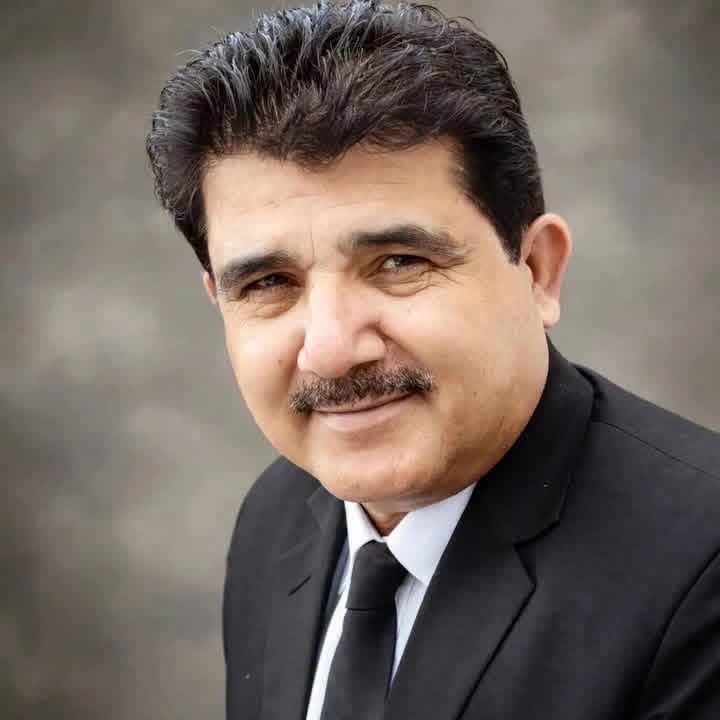
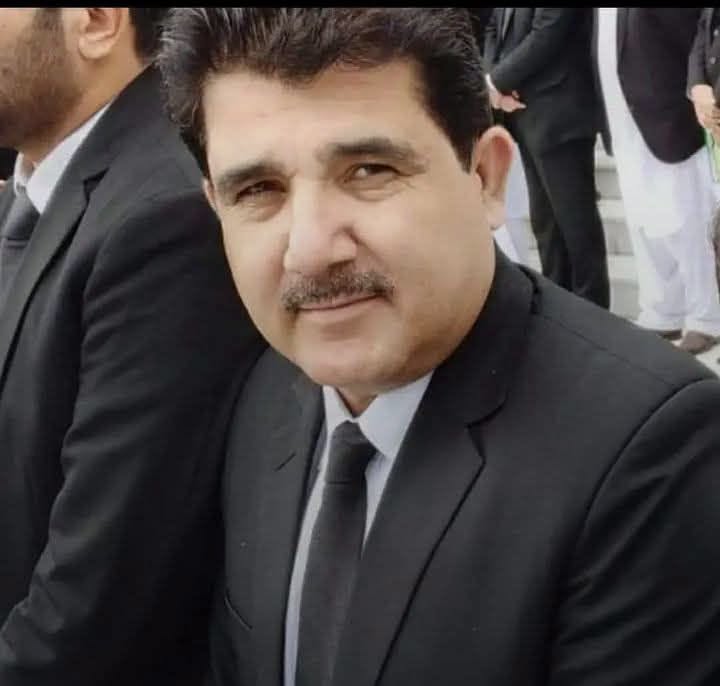
The killing of District and Sessions Judge Abdul Hakeem Kakar in Mastung has drawn a wave of condolence and condemnation from the judiciary, the legal community, and civil society figures.
In a condolence message dated 23 July 2026, Chief Justice of Pakistan Justice Yahya Afridi expressed profound grief on behalf of the judiciary of Pakistan over what he called the "tragic assassination" of Judge Abdul Hakeem Kakar and his gunman in Mastung, while they were travelling to perform their judicial duties.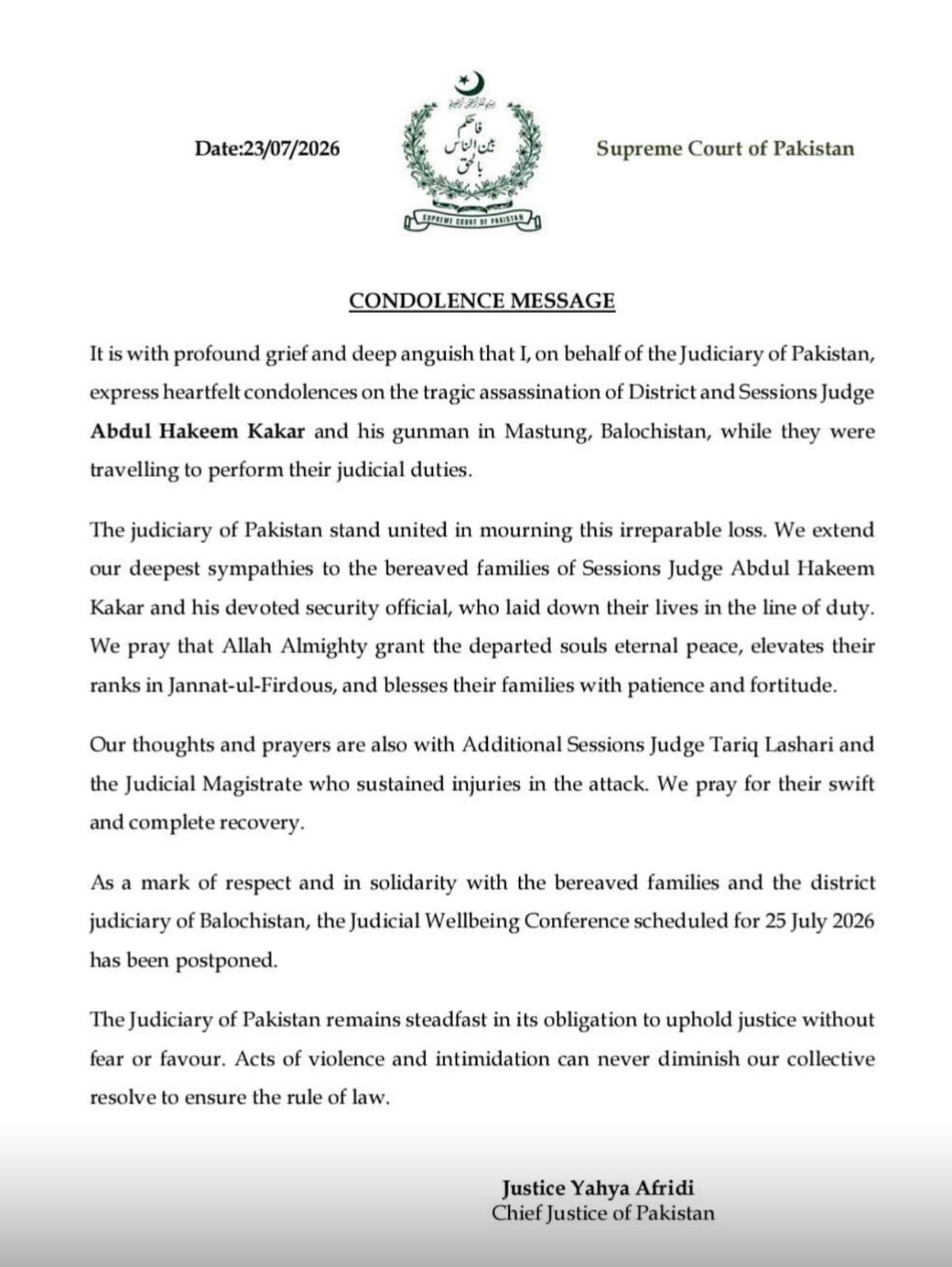
The Chief Justice said the judiciary of Pakistan stands united in mourning an irreparable loss, and extended deepest sympathies to the bereaved families of Judge Kakar and his security official. He said prayers were also with Additional Sessions Judge Tariq Lashari and the Judicial Magistrate who sustained injuries in the attack, wishing them a swift and complete recovery.
As a mark of respect and in solidarity with the bereaved families and the district judiciary of Balochistan, the Supreme Court announced that the Judicial Wellbeing Conference scheduled for 25 July 2026 has been postponed. The Chief Justice said the judiciary of Pakistan remains steadfast in its obligation to uphold justice without fear or favour, and that acts of violence and intimidation can never diminish its collective resolve to ensure the rule of law.
Lawyer and human rights activist Jalila Haider said judges came under attack in Mastung "once again," noting that lawyers, judges, and police officers are among the most vulnerable people, often targeted simply for performing their duties.
She said whoever is responsible for the attack on Judge Abdul Hakeem Kakar must be brought to justice, and that it is the state's duty to identify the perpetrators and deal with them in accordance with the law. "If judges themselves are being targeted, who will ensure justice for them?" she asked.
Haider extended condolences to the families of Judge Kakar and his gunman and prayed for the recovery of the Tariq Lashari, who were injured in the attack. She demanded safe highways for everyone, calling the rise in terrorist attacks across Balochistan deeply concerning.
Human rights activist Sammi Deen Baloch said Balochistan has reached a point where people are forced to bury the dead almost every day, adding that the violence no longer distinguishes between ordinary civilians and those entrusted with upholding the law.
She described the daylight killing of Judge Kakar as more than a cause for alarm, calling it "a devastating indictment of the lawlessness engulfing Balochistan and the profound insecurity faced by its people."
Baloch was critical of the provincial government's response, saying it appears consumed by publicly claiming that the state's writ has been restored and that "the situation is normal," while simultaneously cracking down on peaceful activism and dissent. She said the government has failed to protect its people, and that as conditions in Balochistan continue to deteriorate, the provincial government has doubled down on rhetoric rather than confronting the crisis.
Published in Balochistan Dispatch, July 23nd, 2026

Comments
Leave a Comment
Your comment will be reviewed before it appears publicly.