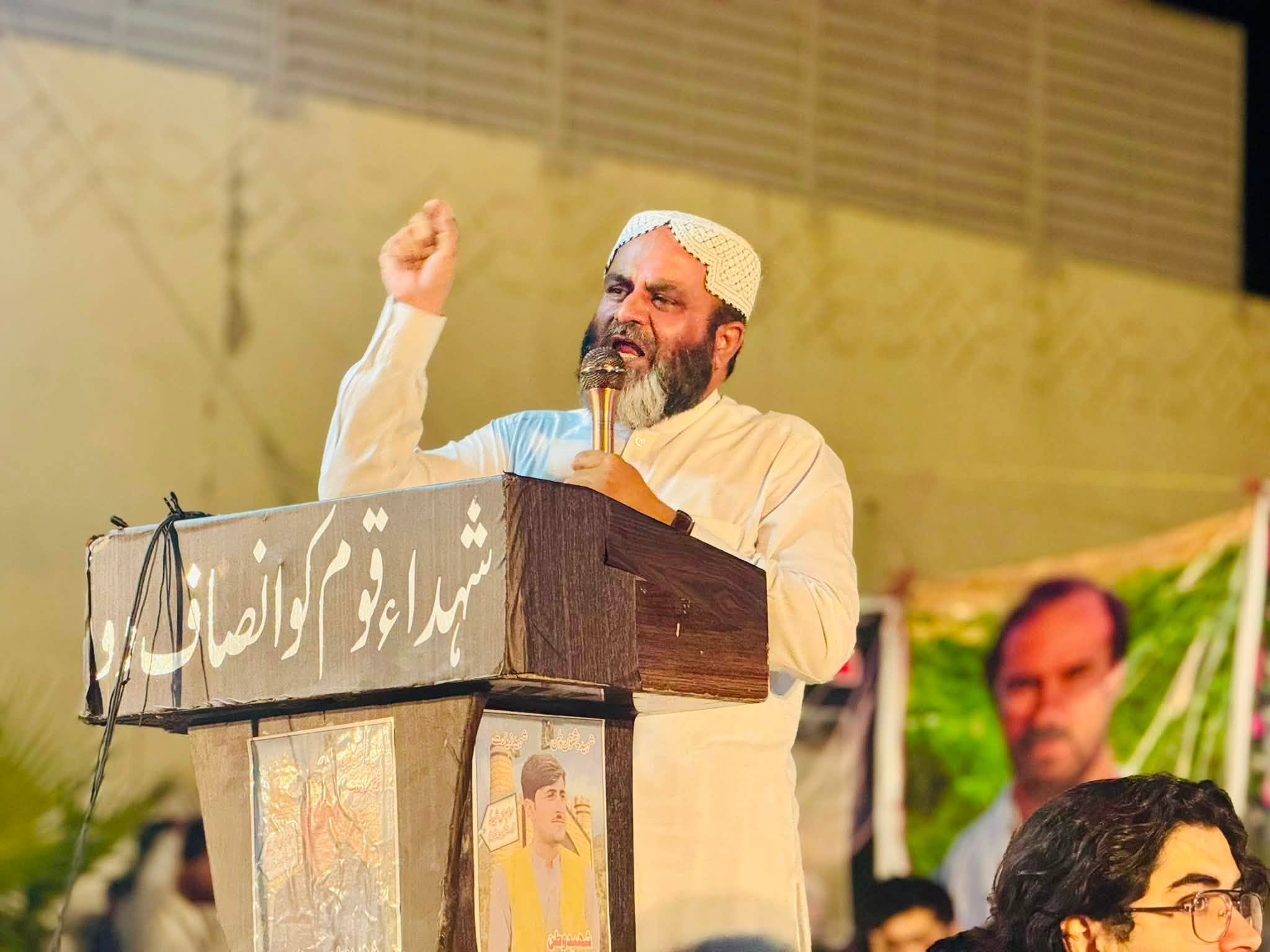
Jamaat-e-Islami’s Balochistan chief and Gwadar MPA, Maulana Hidayat-ur-Rehman Baloch, has said the solution to the province’s long-running crisis lies with its own political leadership rather than with Islamabad, arguing that the major decisions shaping Balochistan’s land, resources and security were taken without the province’s own sanction.
His remarks followed a wave of social-media speculation about a possible change of chief minister, and a series of high-profile meetings in Islamabad by National Party president and former chief minister Dr Abdul Malik Baloch.
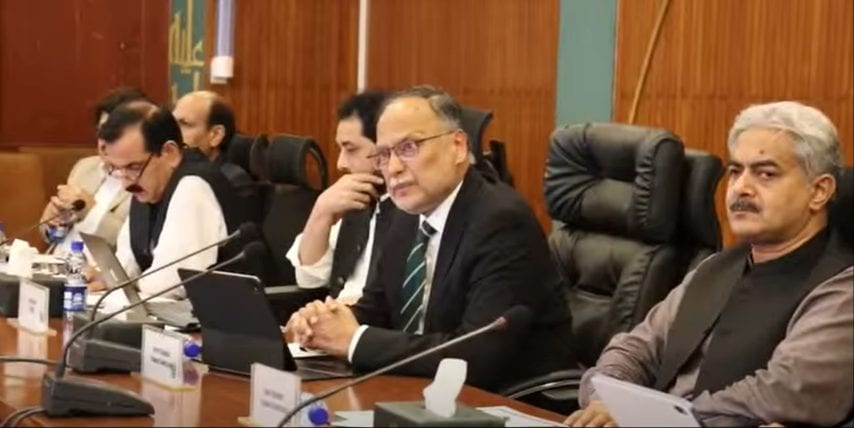
Over recent days, Dr Malik has met Prime Minister Shehbaz Sharif, Deputy Prime Minister and Foreign Minister Ishaq Dar, JUI-F chief Maulana Fazlur Rehman and former prime minister Shahid Khaqan Abbasi. His party has described the engagements as consultations on Balochistan’s political, economic and security situation, but they have fuelled talk of a reshuffle in the provincial government. No change has been officially confirmed; Sarfraz Bugti of the PPP has been chief minister since March 2024.
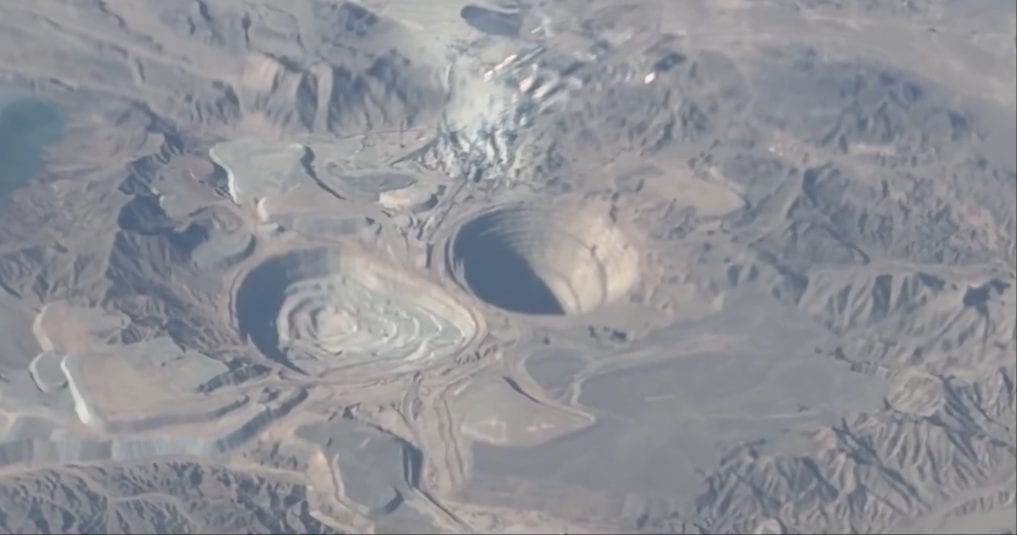
Responding to that speculation, Hidayat-ur-Rehman put a pointed question at the centre of his argument: was Balochistan’s own leadership ever genuinely authorised the agreements that have shaped the province? He pointed to the Saindak and Reko Diq mining projects, the China-Pakistan Economic Corridor (CPEC), the extraction of the province’s natural gas, and even the 1998 nuclear tests at Chagai and answered in the negative. In each case, he contended, the decisions were made elsewhere and handed down to the province rather than agreed within it.
He extended the same point to security, citing the transfer of policing powers to the Frontier Corps and the military operations conducted across Balochistan, which he said were likewise carried out without the province’s consent.
https://youtu.be/imv2fopsJsM
For that reason, he argued, Dr Malik should be sitting with Balochistan’s own leadership rather than seeking answers in the federal capital. Islamabad, in his telling, is the source of the province’s problems, not the venue for their solution. He called on the province’s political parties to come together and rethink both the roots of Balochistan’s crisis and the way out of it, saying the real issue is the conduct and attitude of the centre toward the province.
Hidayat-ur-Rehman rose to prominence as the face of the Haq Do Tehreek (Give Rights to Gwadar Movement), which drew large crowds in the port city over the rights of local fishermen, restrictions on cross-border trade, and the security regime around Gwadar. He was jailed during the state’s crackdown on the movement before being elected to the Balochistan Assembly from Gwadar (PB-24) in the February 2024 general election. He heads the Jamaat-e-Islami’s provincial chapter.
His intervention echoes a recurring theme in the province’s politics ; the argument that decisions over Balochistan’s resources and the management of its security have long bypassed its elected representatives. It is a grievance that sits close to the heart of the province’s estrangement from the centre, and one that any conversation about a change of government will struggle to sidestep.

Comments
Leave a Comment
Your comment will be reviewed before it appears publicly.