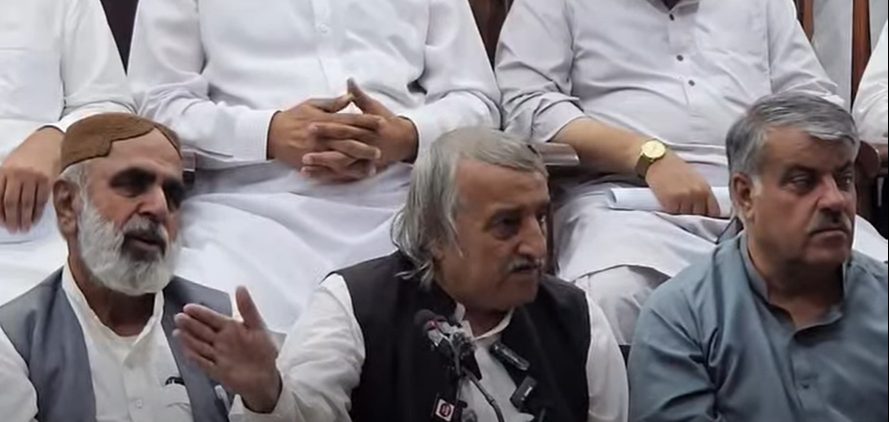
Trade and transport organisations in Balochistan have warned that they will suspend commercial supplies into the province for five days unless the government secures its national highways, following months of kidnappings, extortion, looting and arson targeting cargo vehicles.
The warning came at a joint press conference at the Quetta Press Club, where the Markazi Anjuman-e-Tajiran Balochistan (Central Traders Association) appeared alongside goods transporters and bus associations, including the All Pakistan Mazda Truck Association and the Bus and Coach Association. The bodies said that, failing effective government action, they would halt the supply of goods moving from Karachi to Quetta and the rest of Balochistan for five days, and widen their protest thereafter.
"The decision to halt supplies is not meant to put the public in difficulty, but to protect the lives and property of our drivers and traders," said Central Traders Association president Abdul Rahim Kakar. "Balochistan's national highways have become unsafe for transporters."
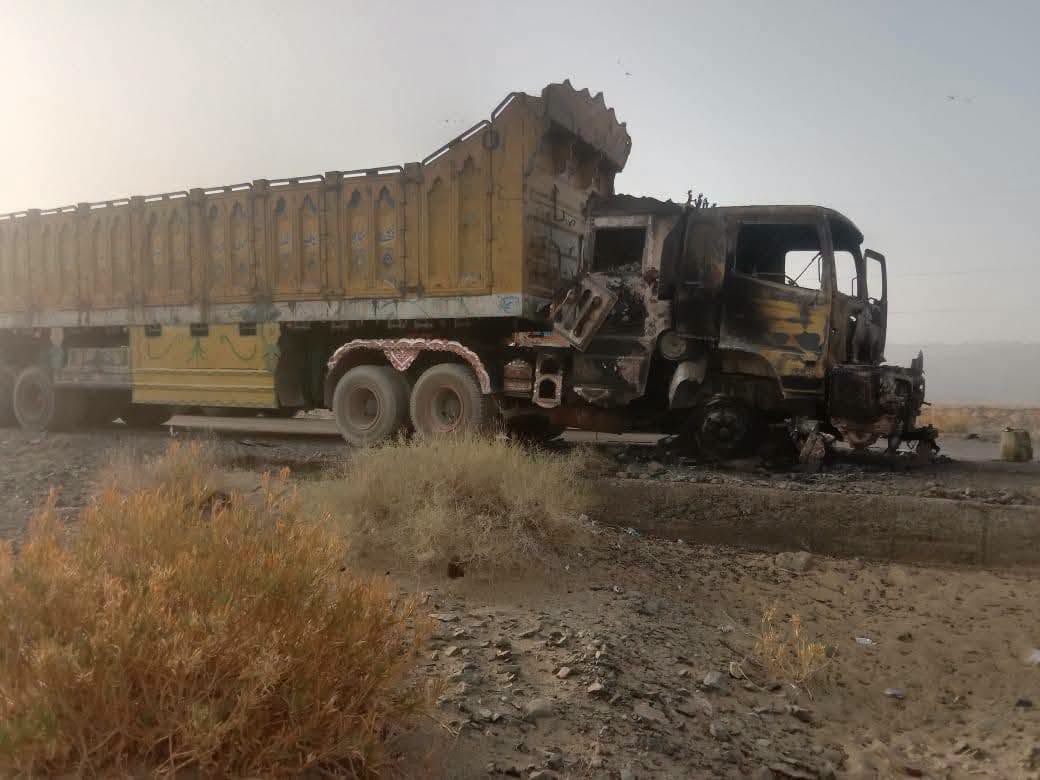
Kakar said that over the past 25 days, numerous trucks had been hijacked, drivers taken hostage and cargo looted, while several vehicles had been set ablaze and their drivers threatened with death. Imported-goods trucks and LPG tankers on the Taftan and Panjgur routes were also being targeted, he said. By the associations' own count, more than 150 trucks, tankers and buses have been burned on the province's highways, destroying goods worth billions of rupees.
The routes running through Kalat, Surab, Khuzdar, Taftan, Panjgur and Dalbandin had become especially dangerous, the associations said. They cited recent incidents including the burning of more than ten cargo trucks and LPG tankers in the Padag area of Nushki and the firing on a passenger coach in Mastung, and alleged that freight trucks travelling from Karachi were being intercepted and taken to remote areas, where operators faced extortion demands running into millions of rupees per vehicle. Such crimes, the speakers claimed, were occurring even near law-enforcement checkpoints.
Kakar said the government's repeated assurances of protection had not been honoured. "The purpose of check posts is to protect people and traders, not to create unnecessary hardship," he said.
"Restoring the writ of the state on the national highways is the government's constitutional responsibility."
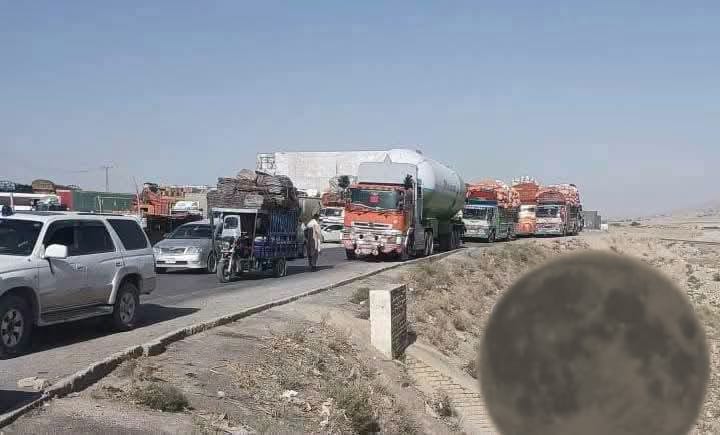
A prolonged halt would strike at an economy that depends heavily on road freight, the traders warned. Thousands of tonnes of essential goods reach Balochistan each day through these companies, they said, and the livelihoods of thousands of drivers, cleaners and labourers and of many more beyond them are tied to the sector. A suspension risked shortages of flour, sugar, cooking oil, pulses, medicines and other essentials, along with a further rise in prices, with ordinary citizens, patients, daily-wage workers and small shopkeepers worst affected. Travelling between Quetta and Karachi had itself become perilous, they added, while air fares had risen sharply.
The organisations demanded immediate security along the Karachi, Quetta, Quetta, Taftan and Quetta, Dalbandin highways, a full guarantee for the safety of transporters, drivers and traders, and indiscriminate action against those behind the kidnappings, extortion, looting and arson. They also called for permanent highway patrols, a rapid-response system and a secure trade corridor so that the movement of essential goods could resume.
If effective measures were not taken within five days, Kakar said, the protest would widen and a stricter strike would follow. Responsibility for any disruption to trade, transport and the supply of essential commodities, the associations said, would rest with the government.
The ultimatum escalates a months-long standoff between Balochistan's business community and the state over highway security. Traders and transporters have staged repeated strikes since May, including a halt on mineral transport and an indefinite province-wide shutdown, amid a surge in attacks by armed groups on highways, mineral convoys and railways. In early July, the provincial government approved a dedicated highway protection force in response to the earlier protests; traders say the situation on the ground has yet to improve.
Whether the government acts within the five-day deadline remains to be seen.
This is a developing story, and Balochistan Dispatch will follow it.
Comments
Leave a Comment
Your comment will be reviewed before it appears publicly.