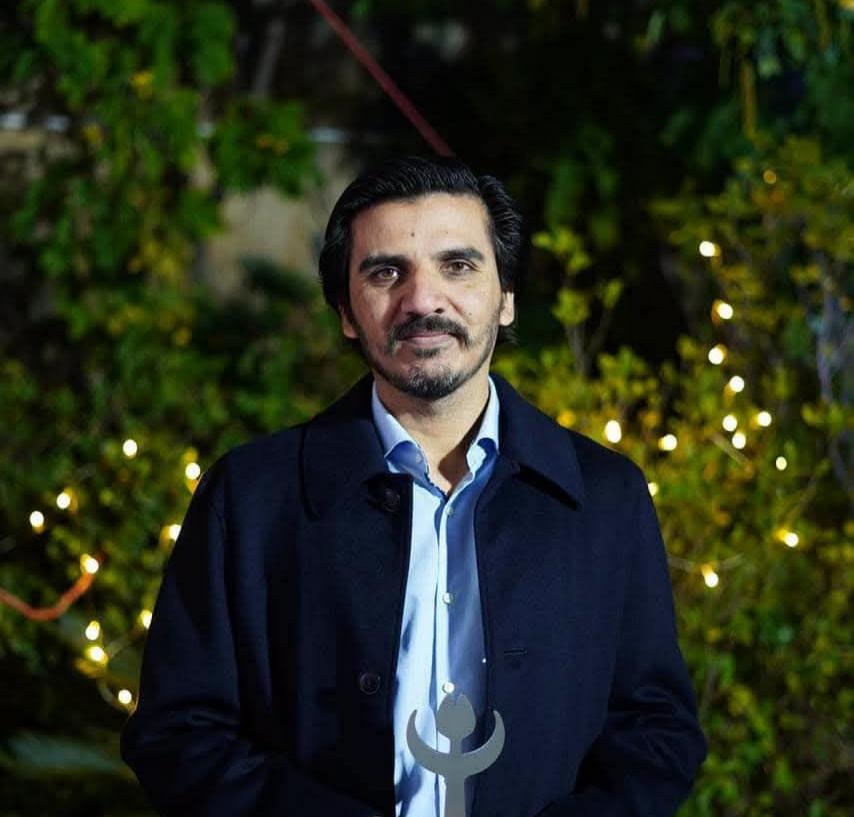
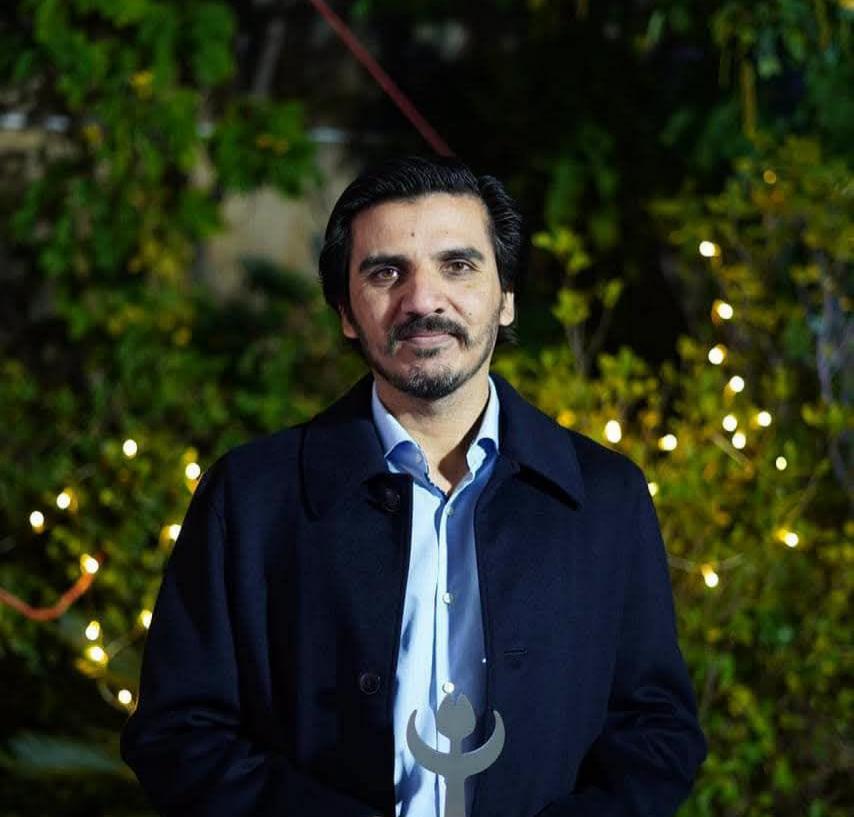
Two senior journalists based in the federal capital, Asad Ali Toor and Azaz Syed, have been served notices by the National Cyber Crime Investigation Agency (NCCIA), drawing warnings from press-freedom advocates that the move could have a chilling effect on independent journalism. The Islamabad High Court has stepped in on Toor's petition, directing that he not be harassed during the inquiry.
The court's intervention
Hearing Toor's writ petition, Justice Khadim Hussain Soomro of the Islamabad High Court summoned the NCCIA's investigating officer for the next hearing and instructed that the journalist not be harassed while the inquiry continues.
During the proceedings, the judge made a pointed observation about how responsibility works in journalism: if a journalist properly cites the source of his information in an analysis, then that journalist has fulfilled his responsibility, and the matter rests with the person who originally supplied the news.
That remark went to the heart of Toor's defence. According to him, his commentary on former prime minister Imran Khan's deteriorating health was based on petitions filed by Aleema Khan ; one of which was itself listed for hearing before Justice Soomro the same day ; and on a report by a Peshawar-based journalist that he had cited on the record.
The court had earlier taken up Toor's challenge to the summons and directed the NCCIA to provide him with details of the allegations against him. The agency's original notice sought an inquiry into what it called the "alleged dissemination, transmission and/or public exhibition of false/fake information," and Toor had argued that it failed to specify any clear charge. He also noted that he had less than 24 hours to respond after a fresh notice was served, and pointed to his earlier arrest in 2024 under the Prevention of Electronic Crimes Act (PECA), from which he was later released.
Azaz Syed's account
The second journalist, Azaz Syed, described an equally rushed process. Returning from Muzaffarabad on Sunday night where, he said, he had been cut off by internet restrictions in Azad Jammu and Kashmir, he found a flood of delayed messages once his connection was restored. Among them was a directive to appear at the NCCIA's Islamabad office the next day, August 3.
What puzzled him, he said, was that the notice carried an issue date of Aug,2, 2026, yet reached him over WhatsApp only on the night of August 2. When he replied asking for time to consult his lawyer, a second notice arrived on August 3, moving his appearance up to August 4.
Saying he had spent his career preaching the rule of law, Syed decided to present himself rather than wait. Friends had warned he might be arrested; his response, he wrote, was that if the authorities meant to detain him they could do so from anywhere, so it was better to appear and if arrest was the plan, "so bismillah." With a written reply prepared by his young lawyer Habib Hunzala, he reached the NCCIA office on August 4, only to find that the inspector who had issued his notice had not turned up. He has now formally asked, in writing, for a clear account of the allegations against him.
A pattern of pressure
Senior journalist Matiullah Jan, who publicised both cases, called the notices "deeply concerning," warning that "such actions... can have a chilling effect on journalism and freedom of expression."
He was not alone. The National Press Club had already condemned the notice against Toor as alarming for press freedom, and media bodies criticised the back-to-back summonses and the tight deadlines as a due-process failure. Both journalists have questioned whether they were given any real chance to understand and answer the allegations before being pulled into a formal inquiry.
The cases land amid a wider squeeze on the press in Pakistan. In the same period, the government issued new rules requiring foreign-media journalists to seek state permission to report from most of the country, and Al Jazeera's English website became inaccessible in Pakistan after authorities accused the network of biased coverage of the Kashmir elections. For a media community already operating in a shrinking space, the NCCIA's use of vaguely worded cybercrime notices against well-known reporters has become the latest flashpoint.
Published in Balochistan Dispatch, August 6th, 2026
Comments
Leave a Comment
Your comment will be reviewed before it appears publicly.