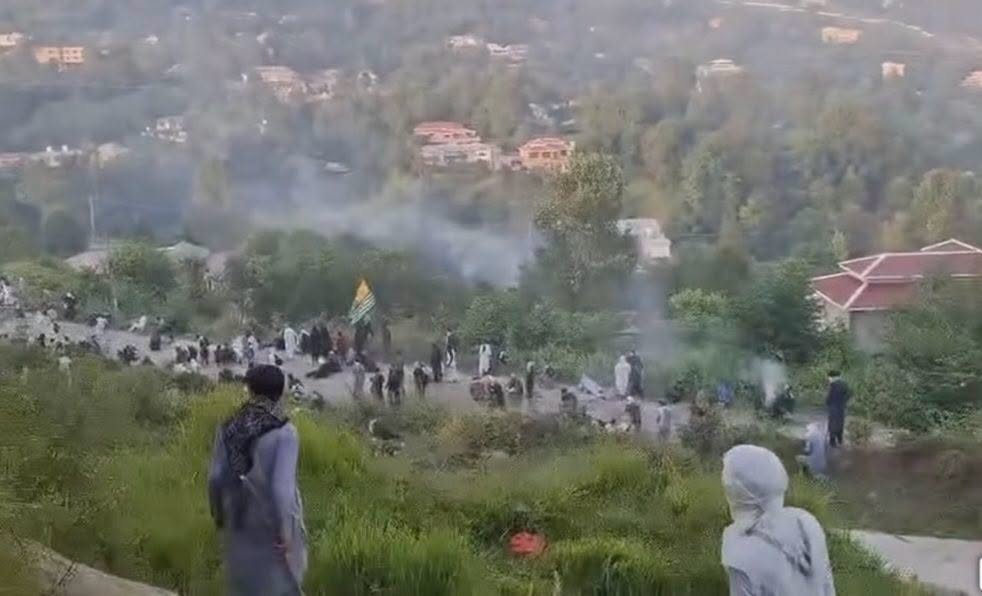
A cross-party group of British parliamentarians has written to Foreign Secretary Ed Miliband urging the United Kingdom to use its diplomatic channels to press for de-escalation in Azad Jammu and Kashmir, citing reports that peaceful protesters have been fired upon, resulting in deaths and injuries.
The letter, dated 31 July and led by Imran Hussain, Chair of the All-Party Parliamentary Group (APPG) on Kashmir, expresses "deep concern" at the human rights situation in the region. It describes reports of a heavy-handed response to demonstrations, including the use of live fire, as a serious escalation that undermines public confidence and risks further destabilising an already sensitive situation.
Hussain was joined by more than a dozen other MPs and peers, among them Diane Abbott, Debbie Abrahams, Rosena Allin-Khan, Apsana Begum, Sarah Champion, Richard Burgon and Liam Byrne. The signatories note that many of their British Kashmiri constituents have close family ties to the region and have been contacting them out of concern for the safety of loved ones.
https://x.com/Imran_HussainMP/status/2083228239179165757?s=20
The MPs asked the Foreign Secretary to clarify what assessment the UK government has made of the humanitarian situation; what steps it is taking to help British nationals and citizens with family in the region maintain contact with them; what representations it has made to the governments of Pakistan and Azad Jammu and Kashmir on lifting the blockade and restoring communications; and what it is doing to encourage a resumption of dialogue between the authorities and the Joint Awami Action Committee.
Noting that the APPG has kept Kashmir on the parliamentary agenda through motions backed by more than 70 parliamentarians across both Houses, the group urged the government to promote "a peaceful and lasting resolution with Kashmiri human rights at the heart of it."
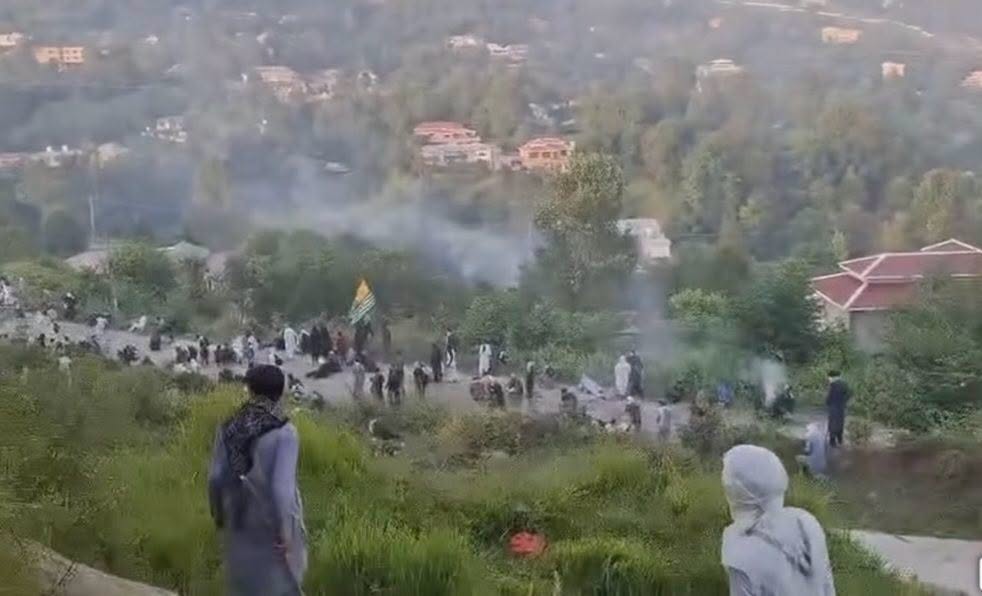
The letter follows weeks of deadly unrest in Azad Jammu and Kashmir, where the Joint Awami Action Committee (JAAC) ; a civil-society coalition of traders, lawyers and students banned under anti-terrorism laws has led protests against, among other grievances, 12 seats in the regional Legislative Assembly reserved for Kashmiri refugees living elsewhere in Pakistan.
Clashes intensified around the first phase of the region's legislative elections on 27 July. JAAC leaders say at least 30 of their supporters were killed in a security crackdown during a march toward the regional capital, Muzaffarabad. Police have confirmed the deaths of two security personnel, and federal officials have described the banned group's members as foreign-backed "rioters" rather than peaceful protesters. A communications blackout and internet shutdown in place since early June have made independent verification of the toll difficult. On 17 July, the United Nations called for impartial investigations into dozens of reported killings since the unrest began. The next phase of voting is scheduled for 2 August.
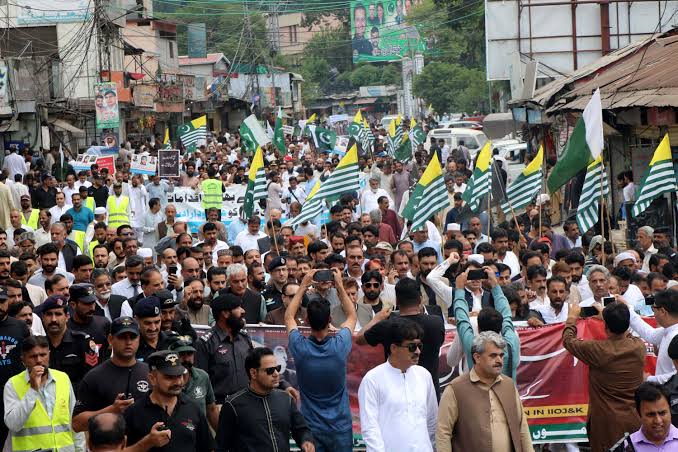
The crackdown has drawn solidarity demonstrations elsewhere in Pakistan. In Islamabad, residents and activists rallied on 29 July in support of the Kashmiri protesters, chanting slogans against the use of force during the election-related unrest. A similar demonstration was held in Lahore the same day, while Kashmiri diaspora groups have staged marches in London in recent weeks.
Published in Balochistan Dispatch, August 1st , 2026
Comments
Leave a Comment
Your comment will be reviewed before it appears publicly.