Amnesty International has called on Pakistani authorities to lift a communications blackout in Pakistan-administered Jammu and Kashmir and to order an independent investigation into the security forces' use of force against protesters in Rawalakot during the first phase of the region's legislative elections.
In a statement, Isabelle Lassee, Amnesty International's Acting Regional Director for South Asia, said reports emerging from Rawalakot were consistent with what she described as a long history of unlawful violence against protesters in Jammu and Kashmir, and called for a "prompt, independent, and transparent investigation" into the use of force.
Lassee said the suspension of internet and mobile services was severely impeding independent verification of what had happened on the ground, and urged authorities to restore all communications access and to allow media and independent observers into the area.
The rights group also criticised the ban on the Jammu and Kashmir Joint Awami Action Committee (JAAC), calling it unlawful and accusing the authorities of weaponising anti-terror laws to silence and arbitrarily detain the movement's members and supporters. Amnesty said the ban could not be used as grounds to use deadly violence against protesters.
https://x.com/amnesty/status/2082140926906945595?s=20
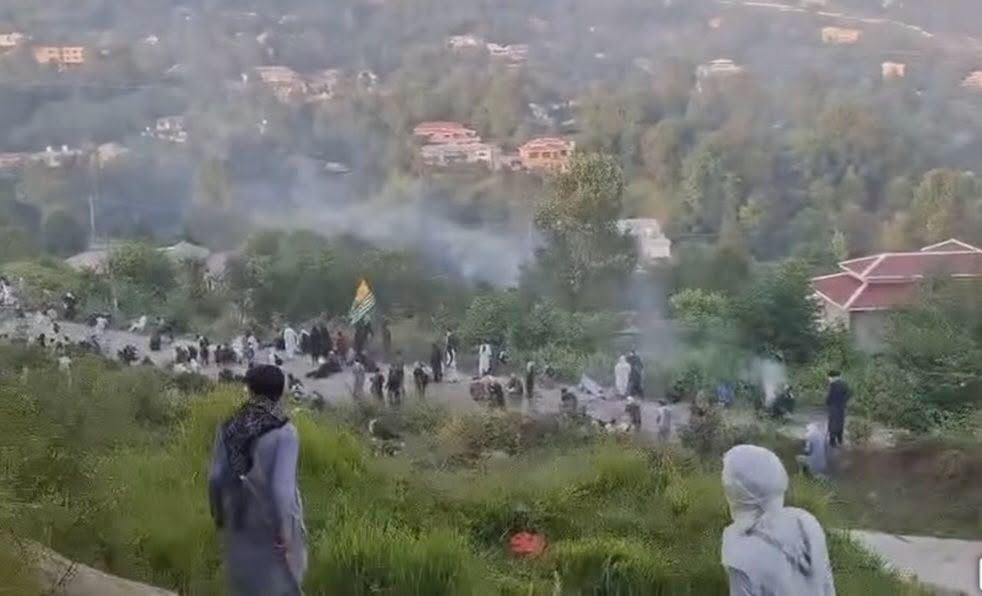
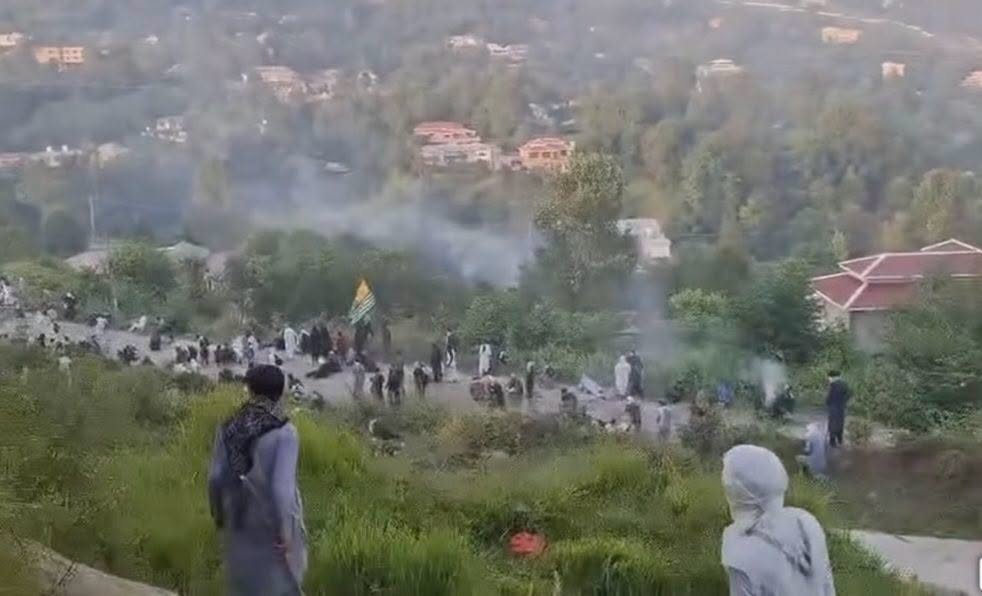
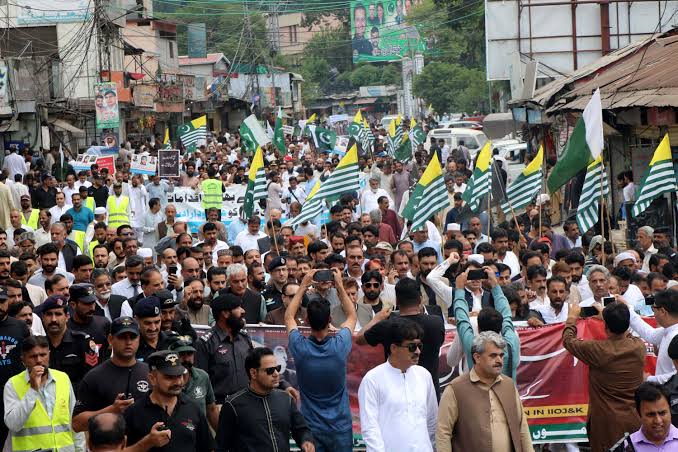
The appeal follows clashes in Rawalakot on Monday, 27 July, when JAAC supporters held a long march from the city toward the regional capital, Muzaffarabad, on the day the first phase of the Azad Jammu and Kashmir (AJK) assembly elections was held in Mirpur division.
The casualty figures remain contested and could not be independently verified. According to the JAAC, security forces opened fire on the marchers; the movement's figures for those killed have varied, with a core committee member telling the BBC that around a dozen activists were killed and more than 20 wounded on Monday, and other JAAC accounts citing higher numbers. News outlets reported that there were casualties without confirming a total. AJK police declined to confirm protester fatalities, saying verification would follow post-mortem procedures, and the regional police chief disputed the movement's toll.
On the security side, officials said a Rangers soldier was killed and two to three police personnel were injured; some earlier reports had cited two security personnel killed. Separately, in Kotli, a political worker was reported killed during a clash between supporters of rival parties.
Police said armed JAAC members attempted to force their way into Rawalakot from two directions despite repeated appeals to disperse, opened fire on security personnel after nightfall, attacked a checkpoint on the city's outskirts, and set a Rangers vehicle and a police vehicle ablaze. Authorities said law enforcement personnel had exercised restraint, and accused JAAC linked social media accounts of circulating fabricated videos. Federal ministers have said those involved in the violence would be treated as rioters rather than protesters.
The JAAC ; a movement that has pressed for economic reforms and greater political representation was designated a proscribed organisation under the AJK Anti-Terrorism Act, 2014, on 5 June 2026. Mobile internet services in the region have remained suspended since the same date. The movement's central demand has been the abolition of 12 AJK assembly seats reserved for Kashmiri refugees living in Pakistan.
Media reports say at least 40 people had been killed in the unrest before 27 July, among them 34 protesters and six police and paramilitary personnel. The remaining phases of the AJK election are scheduled for Muzaffarabad on 2 August and Poonch division on 10 August.
Published in Balochistan Dispatch, July 29th, 2026
Comments
Leave a Comment
Your comment will be reviewed before it appears publicly.