Enforced Disappearances in Balochistan
Enforced disappearance -- a person detained by, or with the acquiescence of, the state, whose detention is then denied -- has been the defining human-rights issue in Balochistan for two decades. Families describe night raids, unacknowledged custody and years without charge or trial. Pakistan's own Commission of Inquiry on Enforced Disappearances has recorded thousands of cases nationally, and Baloch rights groups say its published figures substantially understate the number from Balochistan.
Balochistan Dispatch reports these cases from inside the province: the individual disappearance, the family left behind, the sit-ins and long marches that follow, and the legal and parliamentary machinery that is supposed to respond. Where a case is contested we say so, and we publish the state's account alongside the family's.
This page collects that reporting in one place -- newest first -- together with the background needed to read any single story in context.
Explore this subject
Supporting coverage that feeds into enforced disappearances:
Latest enforced disappearances coverage
12 stories tagged enforced disappearances from Balochistan Dispatch.

Baloch student Rubina Baloch recovered after 25 days of enforced disappearance
The IIUI student and Baloch Students Council member is home after 25 days of enforced disappearance in Islamabad, renewing demands for the return of others still missing.
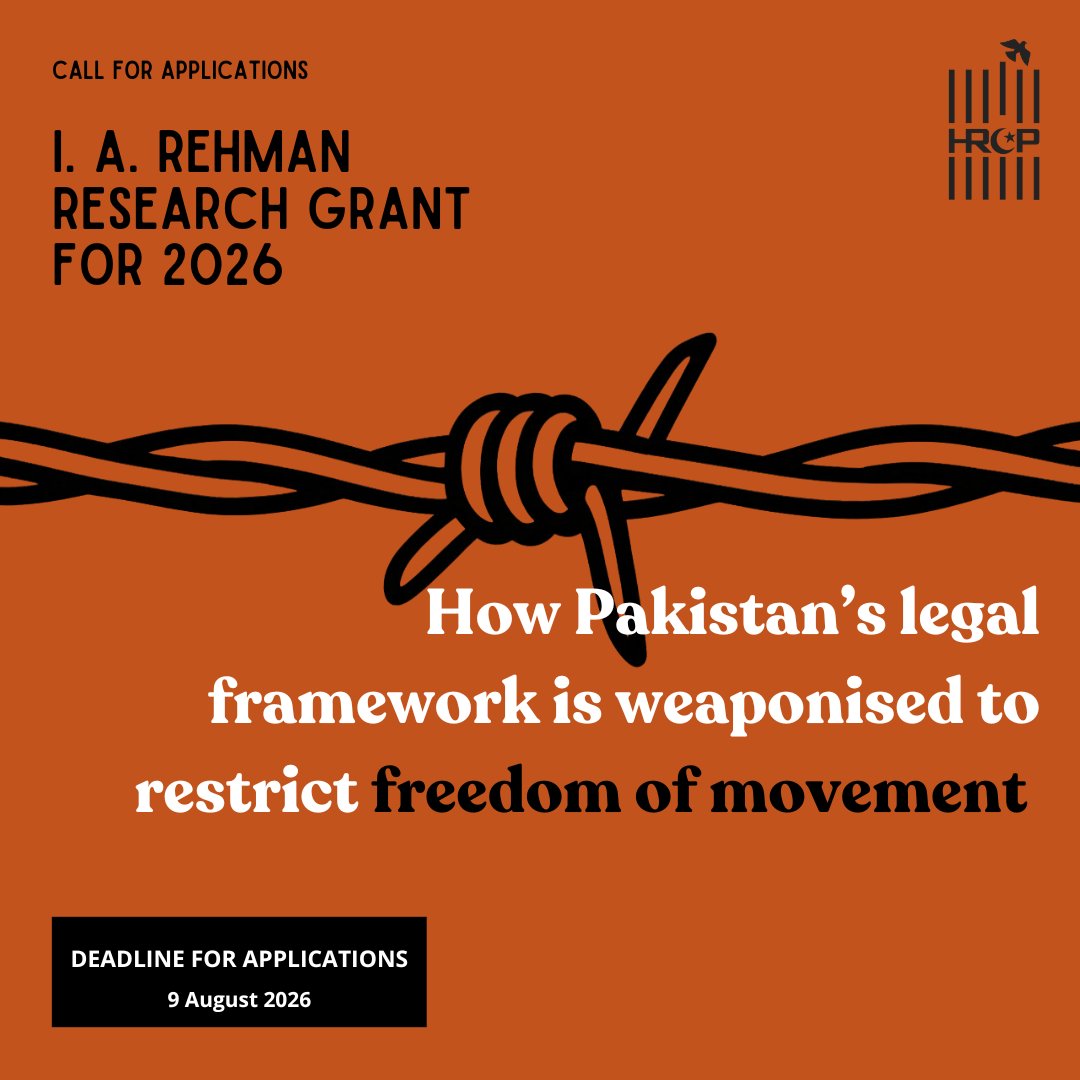
HRCP opens 2026 I.A. Rehman Research Grant on misuse of anti-terrorism laws
A PKR 800,000 grant for research on how anti-terrorism laws are used to restrict freedom of movement in Pakistan. Deadline: 9 August 2026.
Baloch Women Forum Condemns Alleged Enforced Disappearance of 16-Year-Old Student in Mastung
The Baloch Women Forum (BWF) has condemned the alleged enforced disappearance of Rizwana, a 16-year-old first-year stude...

EU report flags deterioration in enforced disappearances, media freedom and minority rights in Pakistan
A joint staff working document issued by the European Commission and the High Representative of the Union for Foreign Af...
Operation Shaban: the toll, the timeline, and why Balochistan keeps cycling through this
Security forces say 114 militants have been killed since July 5. The bigger question, one the death tolls alone don't an...

Hanna Urak Showed What Talking Can Do
A jirga of local elders in Hanna Urak sat down with an armed group holding several abducted citizens this week, and secu...
Justice Cannot Be Silenced": Over 300 Civil Society Figures Demand Reversal of Life Sentences Against Mahrang Baloch
More than 300 lawyers, journalists, academics, and rights activists from across Pakistan have signed a joint statement c...
Washington, D.C : Protest Held Against Reported Life Sentence of Dr. Mahrang Baloch
A protest was held in the U.S. capital, Washington, D.C., against the reported life sentence handed to Baloch human righ...
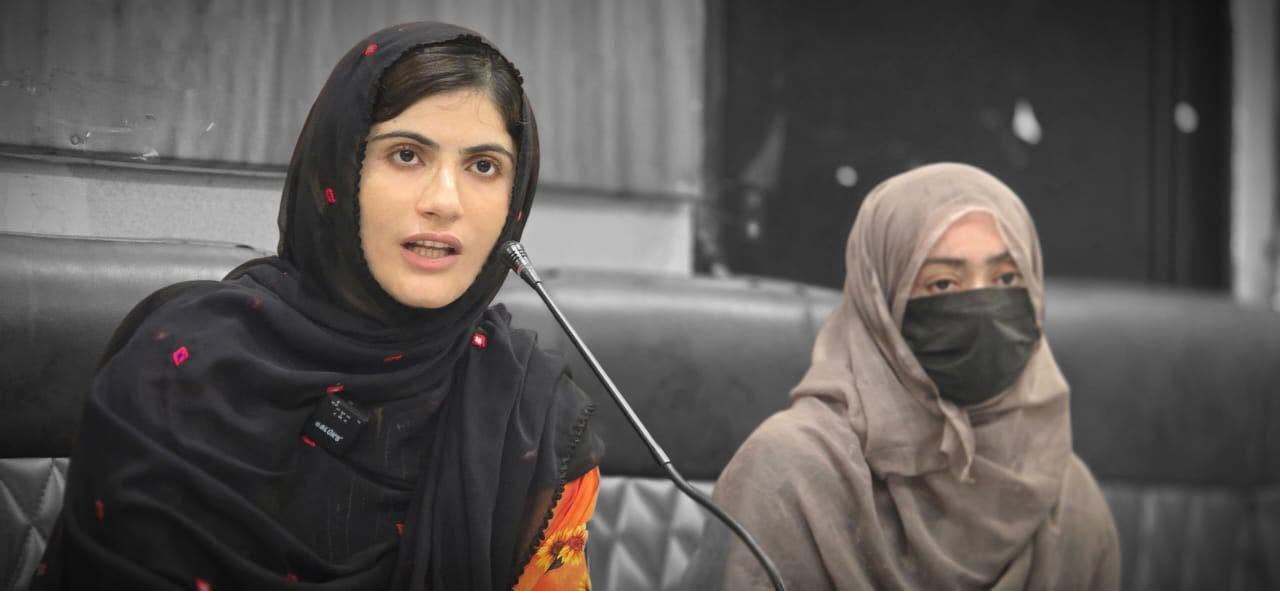
BYC Claims Police Raided Sami Deen Baloch's House in Karachi
The Baloch Yakjehti Committee (BYC) has alleged that police and personnel from intelligence agencies raided the Karachi ...
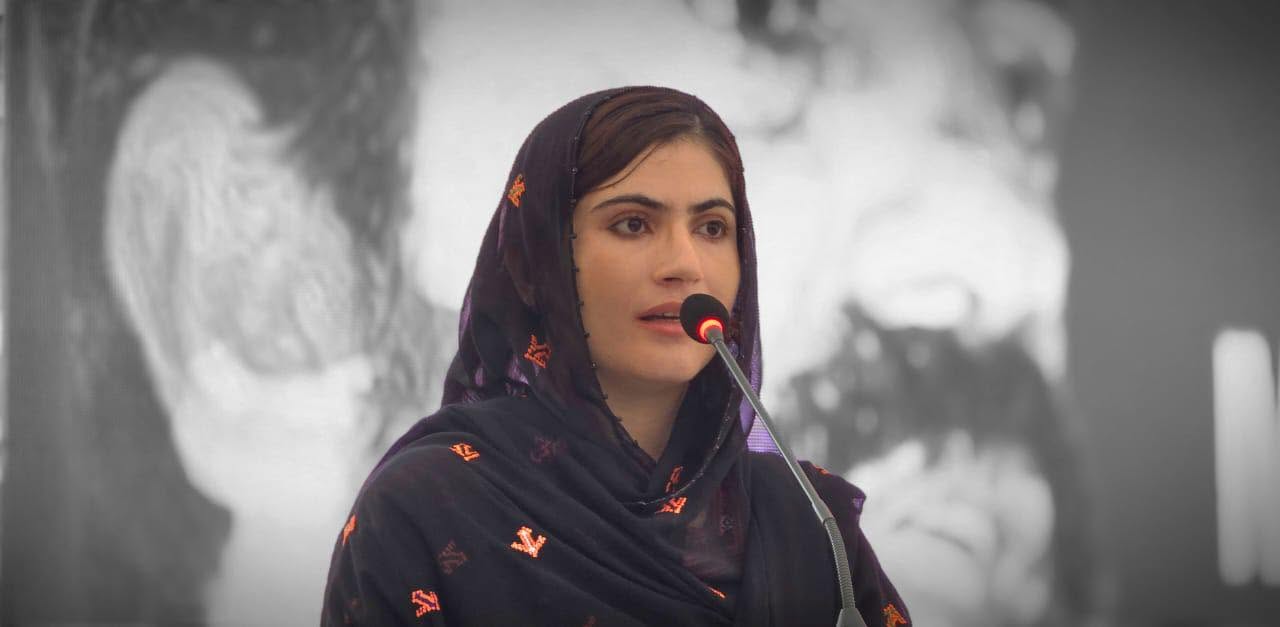
Rights Activist Sammi Deen Baloch Says She Faces Threats
QUETTA: Human rights activist Sammi Deen Baloch has claimed that she has been subjected to harassment and threats of arr...
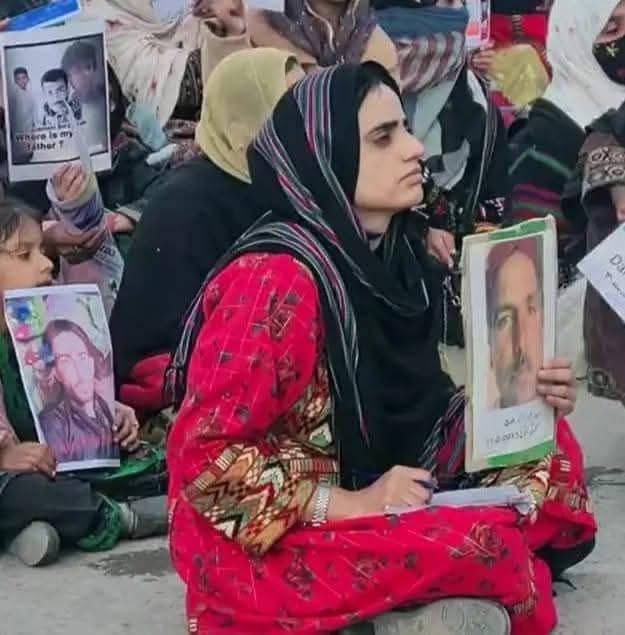
Baloch Yakjehti Committee Says Dr. Mahrang Baloch Nominated for Nobel Peace Prize for Second Time
The Baloch Yakjehti Committee (BYC) has claimed that its central leader, Dr. Mahrang Baloch, was nominated for the Nobel...

Balochistan's Future Depends on More Than Security
For years, the headlines emerging from Balochistan have changed only in their locations and victims. One day, the dead b...
Frequently asked questions
What is an enforced disappearance?
An enforced disappearance is when a person is arrested, detained or abducted by state officials -- or by people acting with the state's authorisation, support or acquiescence -- and the authorities then refuse to acknowledge the detention or to reveal where the person is. That refusal is what separates an enforced disappearance from an ordinary arrest: the person is placed outside the protection of the law, with no charge, no trial and no way for family or lawyers to reach them.
How many people are missing in Balochistan?
There is no single agreed figure. Pakistan's Commission of Inquiry on Enforced Disappearances publishes a running national caseload in the thousands, of which Balochistan accounts for a substantial share. Baloch human-rights organisations, including the Voice for Baloch Missing Persons and the Human Rights Council of Balochistan, maintain their own registers with considerably higher numbers, arguing that many families never file with the commission out of fear or distance. Any figure quoted should be attributed to the body that produced it.
What can a family do when someone is forcibly disappeared in Pakistan?
The routes families use are a First Information Report at the local police station, a habeas corpus petition under Article 199 of the Constitution before the relevant High Court, a case filed with the Commission of Inquiry on Enforced Disappearances, and a submission to the UN Working Group on Enforced or Involuntary Disappearances, which accepts cases directly from relatives. Human-rights lawyers generally advise pursuing several of these at once and documenting every step, because cases frequently stall at one forum.
Why are enforced disappearances concentrated in Balochistan?
The pattern is tied to the long-running insurgency in the province and the counter-insurgency response to it. Rights groups say students, activists, journalists and members of Baloch political organisations are picked up on suspicion of links to armed groups and held without acknowledgement. The state maintains that many of those reported missing have in fact joined armed groups or left the country. Independent verification is difficult because Balochistan has heavy restrictions on movement and reporting.
What is the Voice for Baloch Missing Persons?
The Voice for Baloch Missing Persons (VBMP) is a Quetta-based organisation founded in 2009 that documents cases of enforced disappearance in Balochistan and campaigns on behalf of the families. It is best known for a long-running protest camp and for the 2013-14 long march on foot from Quetta to Islamabad. It remains one of the main sources of case-level documentation from the province.